inkl. MwSt., zzgl. Versand · netto 3.799,00 €
Technische Daten
1219.20 x 243.79 x 259.11 cm
4,000 kg
66.8 m³
Online bestellen
4.520,81 € inkl. MwSt. · Versand 892,50 € inkl. MwSt. (Sidelifter)
Zahlung per Überweisung (Bankverbindung sofort nach der Bestellung) oder per Karte / Wallet über Stripe. Bis zu 10 Einheiten sofort bestellbar, größere Mengen auf Anfrage.
Technische Daten im Detail
| Abmessungen | |
|---|---|
| Außenlänge | 1219.20 cm |
| Außenbreite | 243.79 cm |
| Außenhöhe | 259.11 cm |
| Innenlänge | 1203.20 cm |
| Innenbreite | 235.20 cm |
| Innenhöhe | 239.50 cm |
| Breite | 234.01 cm |
| Höhe | 227.99 cm |
| Gewichte und Kapazität | |
| Bodenfläche innen | 28.37 m² |
| Volumen | 66.80 m³ |
| Nettogewicht | 4000 kg |
| Max. Bruttogewicht | 30480 kg |
| Weitere Angaben | |
| Innenbodenfläche | 28.37 m² |
Ähnliche Container
Beliebte Umbauten
Worauf es ankommt, wenn ein 40ft Open Top Container gebraucht gekauft wird
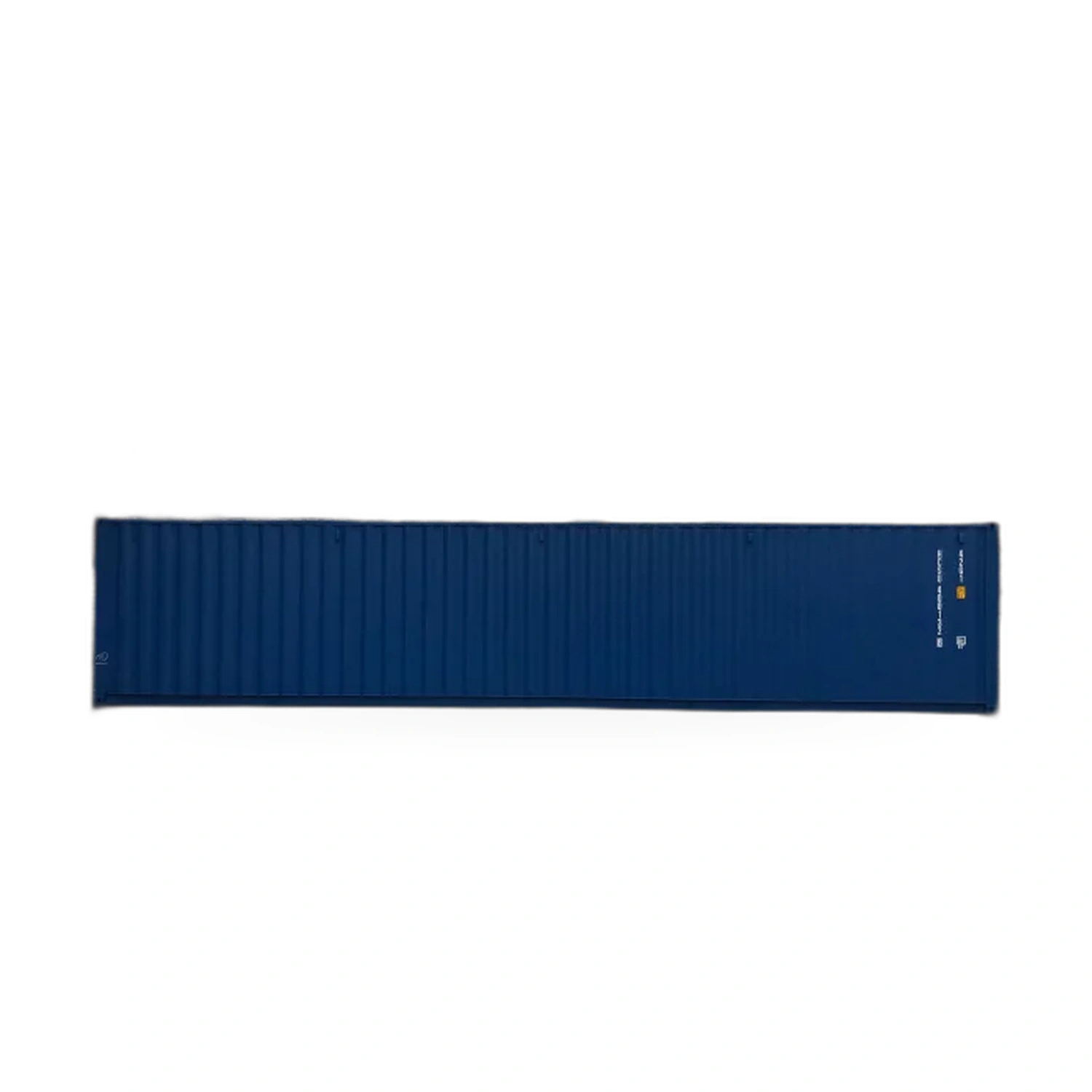
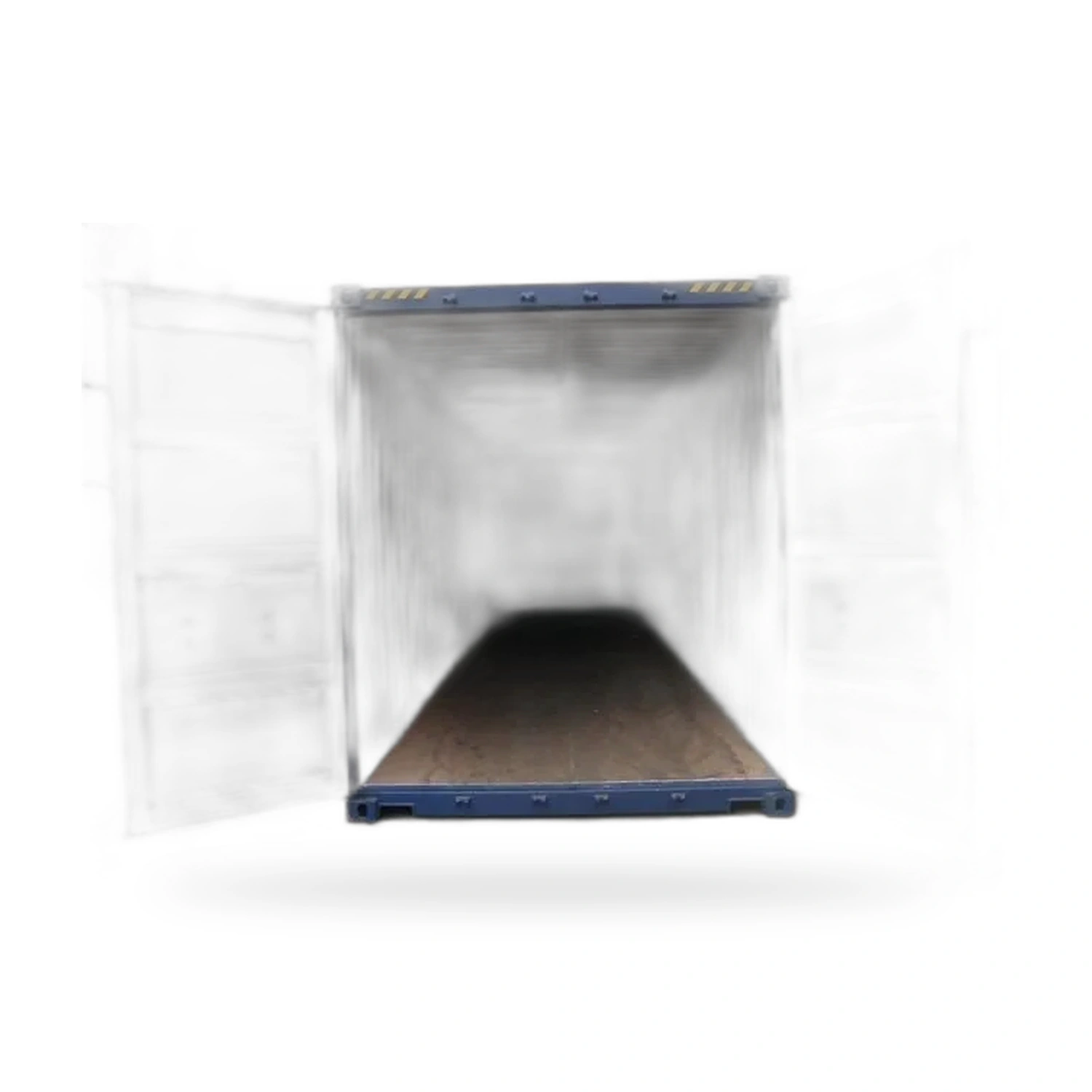
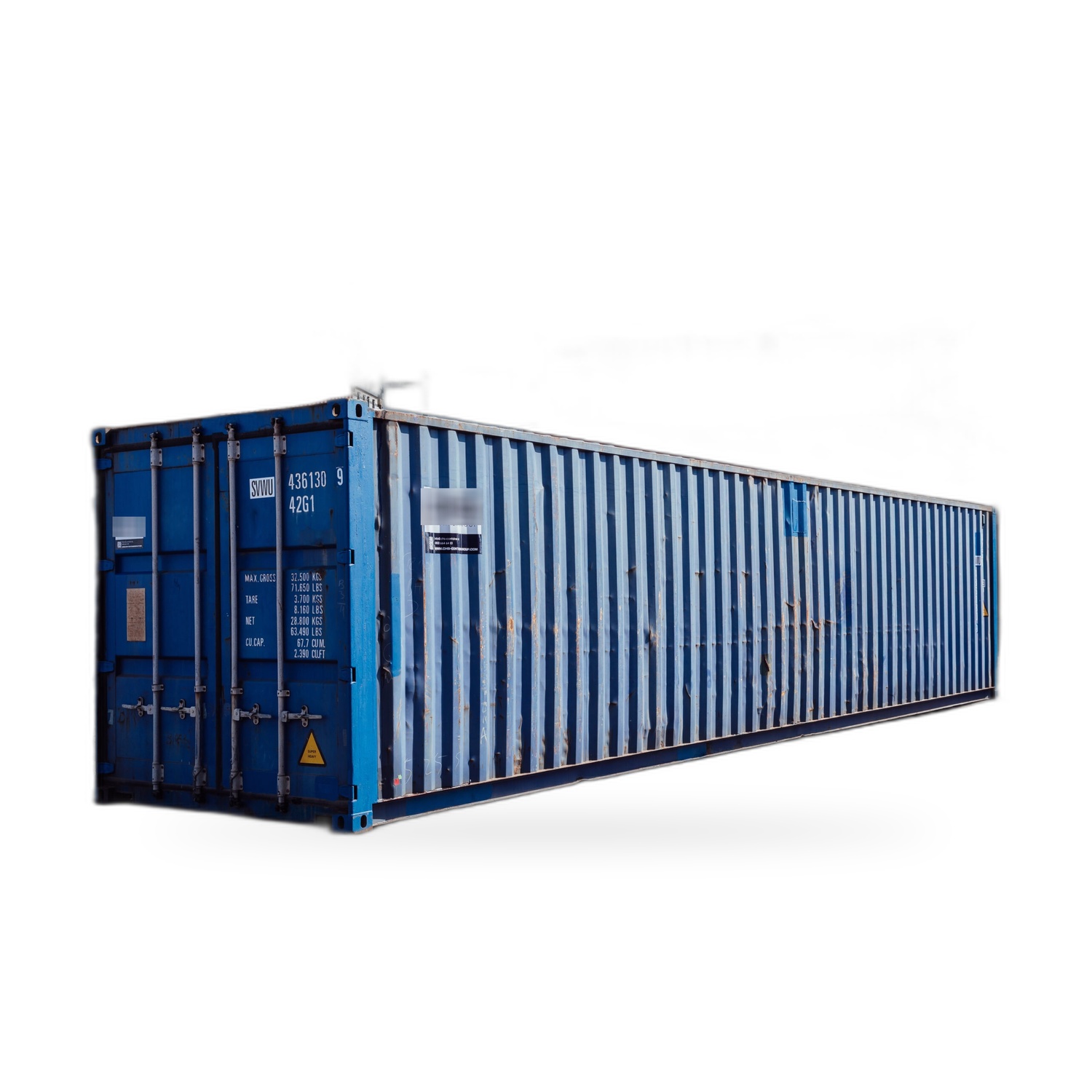
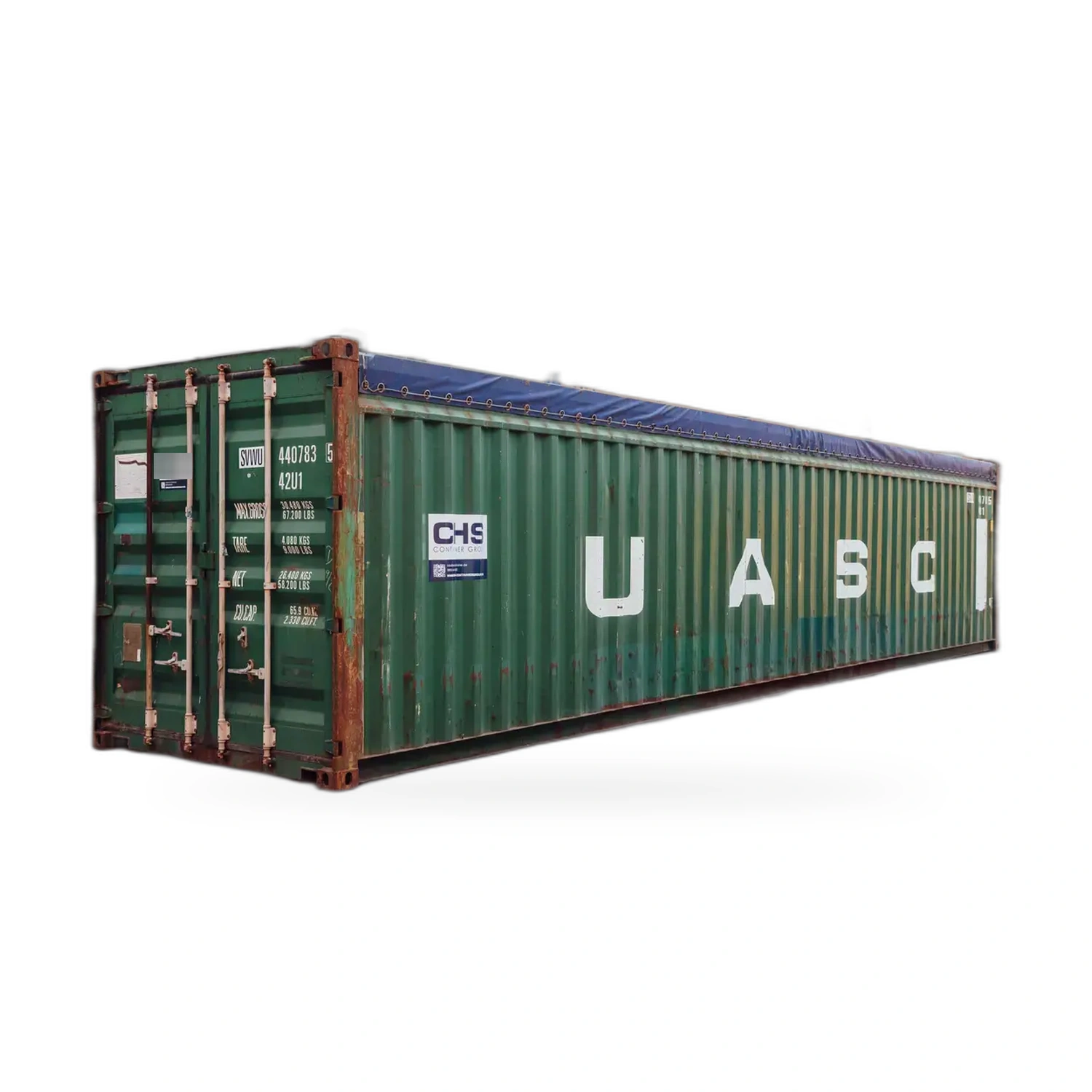
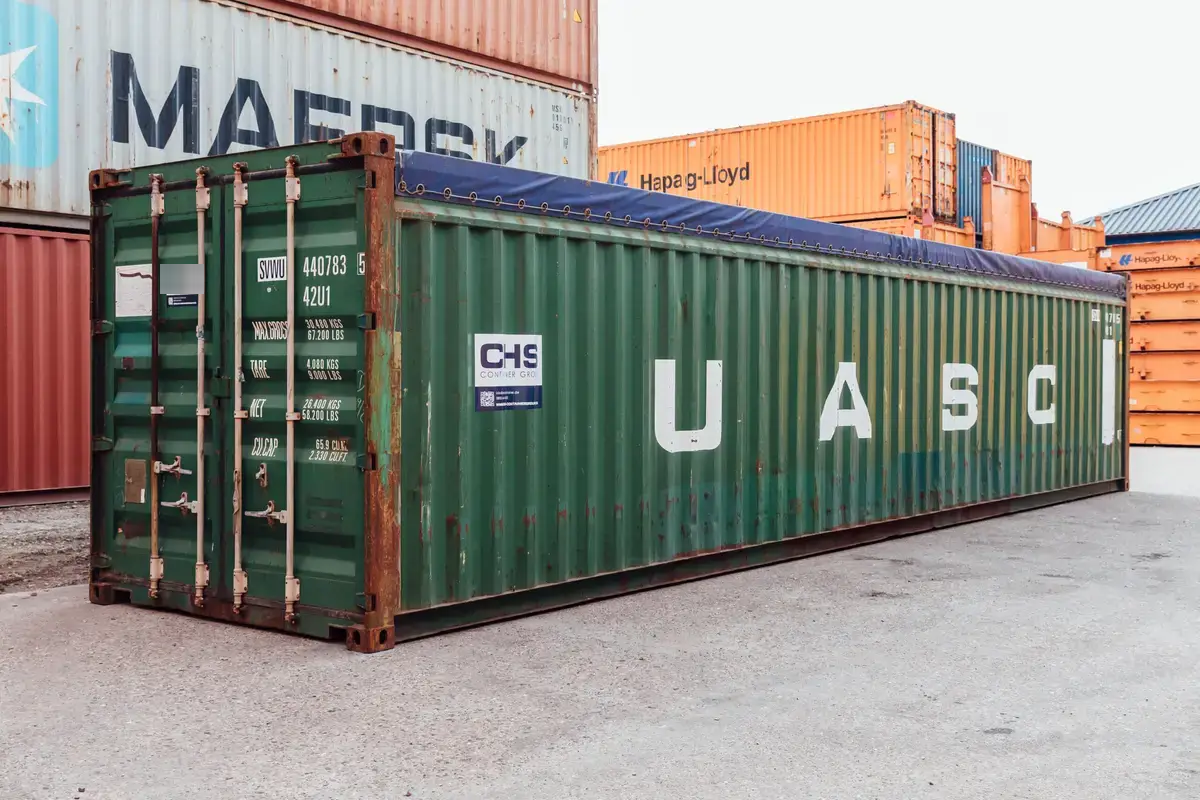
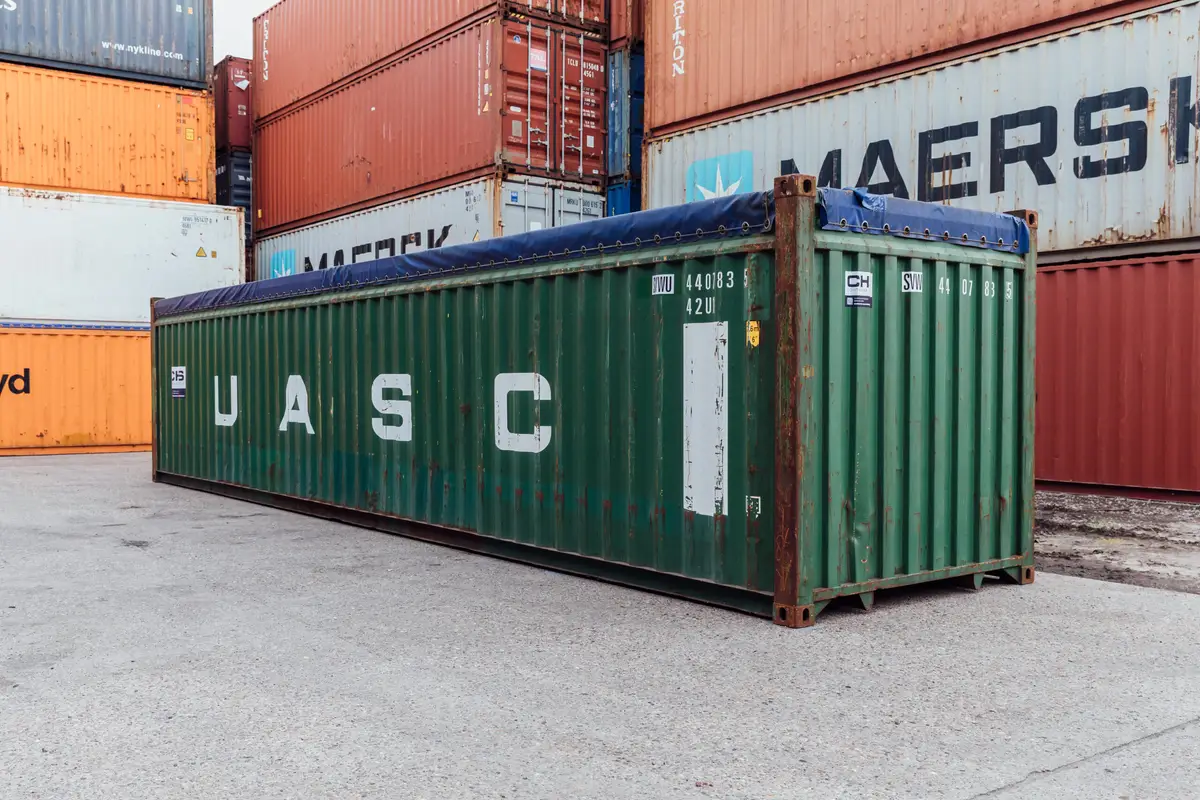
Ein Open-Top-Container ist ein Standardcontainer, bei dem das Stahldach durch einen Rahmen, abnehmbare Dachspriegel und eine Plane ersetzt wurde. Alles andere bleibt erhalten: vier Wände, ein verschließbares Türende, ein Holzboden und die Eckbeschläge für Stapelbarkeit und Umschlag. Wer einen 40ft Open Top Container gebraucht kauft, bewegt sich damit im nützlichen Zwischenfeld zwischen geschlossener Kiste und Flat Rack, denn die Ladung wird von oben eingesetzt und steht anschließend trotzdem in einem gesicherten, wettergeschützten Raum. Der Haken beim Gebrauchtkauf: Genau die Bauteile, die den Open Top ausmachen, also Plane, Spriegel und Türquerträger, verschleißen am schnellsten und werden in Anzeigen am liebsten übergangen.
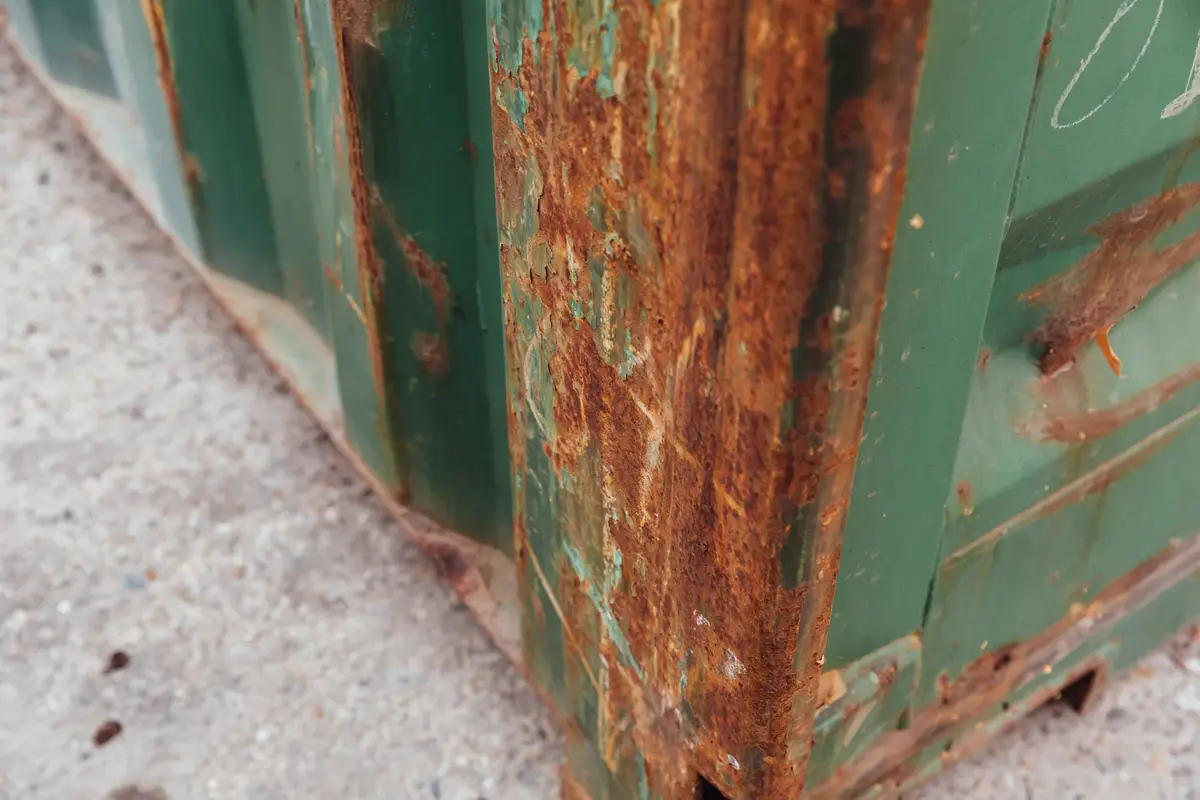
Für diese Einheit sind Corten-Stahl, ein abnehmbares Planendach, klappbare Stirnwände am Türende sowie innenliegende Zurrösen erfasst. Corten ist ein wetterfester Baustahl: Er bildet eine dichte, festhaftende Deckschicht, die den weiteren Abtrag verlangsamt, statt wie gewöhnlicher Rost abzublättern. Immun gegen Korrosion ist der Container dadurch nicht, vor allem nicht dort, wo Wasser steht oder die Beschichtung bis auf das blanke Blech verletzt ist. Es erklärt aber, warum eine Einheit optisch müde wirken und strukturell trotzdem in Ordnung sein kann.
Erfasste Maße und Gewichte
| Maß | Wert |
|---|---|
| Innenlänge | 1203,20 cm |
| Innenbreite | 235,20 cm |
| Innenhöhe | 239,50 cm |
| Außenlänge | 1219,20 cm |
| Außenbreite | 243,79 cm |
| Außenhöhe | 259,11 cm |
| Türöffnung Breite | 234,01 cm |
| Türöffnung Höhe | 227,99 cm |
| Bodenfläche | 28,37 m² |
| Volumen | 66,80 m³ |
| Zulässiges Gesamtgewicht | 30.480 kg |
| Leergewicht (Tara) | 4.000 kg |
Beachten Sie den Unterschied zwischen der Innenhöhe von 239,50 cm und der Türöffnungshöhe von 227,99 cm. Diese Differenz ist der eigentliche Daseinsgrund der Bauform. Ein Ladegut von bis zu 239,50 cm Höhe findet im Container Platz, sobald es über die Dachlinie eingehoben wurde, obwohl es durch die Türöffnung nie hineinkäme. Zusammen mit 1203,20 cm Innenlänge und 28,37 m² Bodenfläche ergibt das einen langen, hohen Laderaum von 66,80 m³, der von der jeweils günstigsten Seite befüllt werden kann.
Plane und Dachspriegel zuerst beurteilen
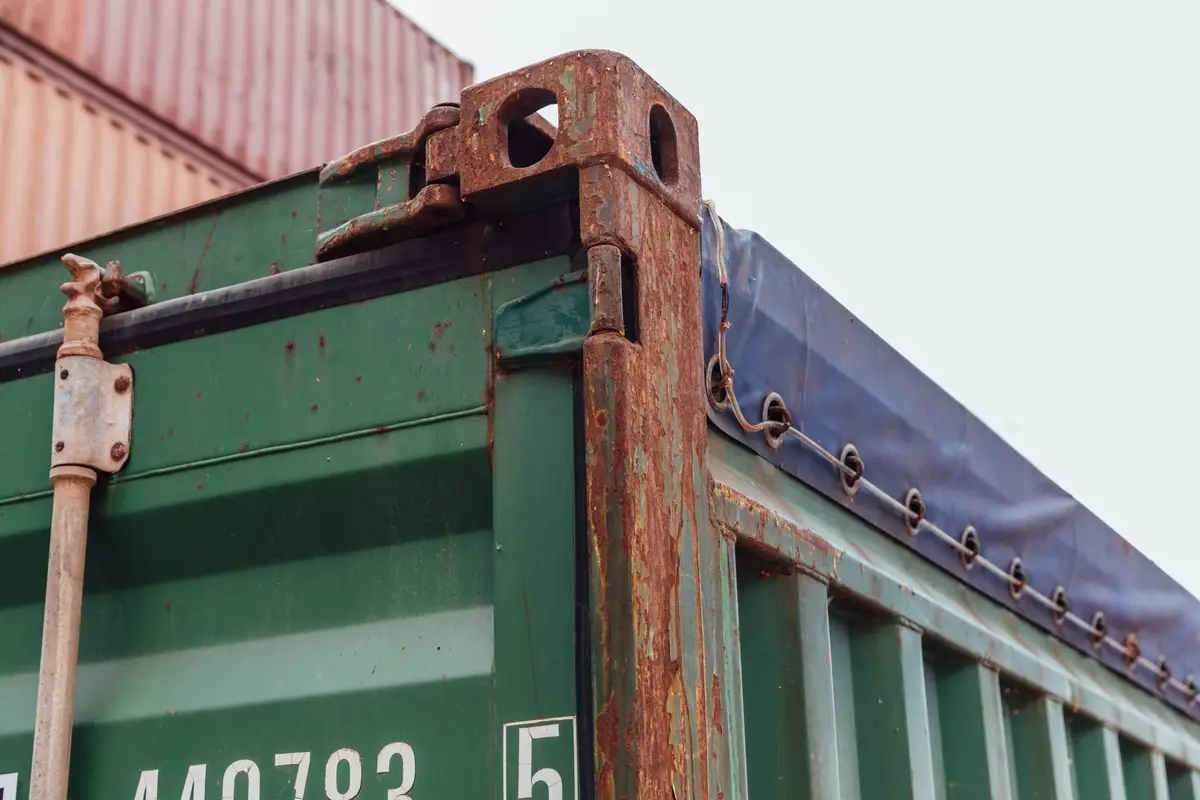
Die Plane ist ein Verschleißteil und bei gebrauchten Einheiten oft die Schwachstelle des gesamten Pakets. Lassen Sie sie ausrollen und fotografieren, statt sich auf eine Beschreibung zu verlassen. Achten Sie auf Risse entlang der Faltkanten, auf Scheuerstellen über den Spriegeln, auf sprödes, kreidendes Material, das beim Biegen bricht, und auf ausgerissene Ösen. Prüfen Sie das Zurrseil: Es muss durchgehend und vollständig durch alle Ösen laufen, denn eine zollsicher verschließbare Abdeckung setzt einen ununterbrochenen Verlauf voraus. Eine mit Klebeband geflickte Plane übersteht keinen Winter im Freien.
Die Dachspriegel sind ebenso wichtig und in der Ersatzbeschaffung teurer. Sie sind die abnehmbaren Querträger, die die Plane tragen und verhindern, dass sich in der Mitte eine Wassermulde bildet. Zählen Sie den Satz, heben Sie jeden Spriegel einzeln an und kontrollieren Sie die Auflagetaschen im oberen Längsträger.
- Ein fehlender Spriegel ist kein Schönheitsfehler, denn die Plane hängt in der Lücke durch und sammelt Wasser.
- Verbogene Spriegel deuten auf einen Anstoß beim Beladen hin, prüfen Sie im selben Bereich den oberen Längsträger.
- Korrodierte Auflagetaschen lassen den Spriegel bei Wind wandern und arbeiten den Träger aus.
- Fragen Sie, ob der Satz vollständig und original ist, denn Spriegel aus Fremdeinheiten sitzen selten sauber.
Der ausschwenkbare Türquerträger
Der Türquerträger ist der waagerechte Balken über den Türen. Beim geschlossenen Container ist er fest eingeschweißt, beim Open Top ist er ausschwenkbar oder abnehmbar. Erst dadurch lässt sich ein langes Bauteil in voller Innenhöhe hineinschieben oder hineinfahren, statt es von oben einheben zu müssen. Zusammen mit den klappbaren Stirnwänden am Türende wird der Container so auch dort beladbar, wo kein Kran zur Verfügung steht.
Prüfen Sie dieses Bauteil gründlich. Es muss sich ohne Gewalt lösen und wieder sicher verriegeln lassen, denn im verriegelten Zustand ist es ein tragender Teil des Türrahmens und nimmt einen Teil der Verwindungskräfte auf. Warnsignale sind festgerostete Bolzen, Hammerspuren rund um die Verriegelung, ein offensichtlich ersetzter Bolzen in falscher Stärke oder ein Träger, der nicht mehr fluchtet, sodass die Türen nur mit Kraft schließen. Ein Container, dessen Querträger nicht mehr verriegelt werden kann, ist kein dichter Container, sondern eine große offene Kiste, und sollte auch so bepreist werden.
Regen, Entwässerung und der Betrieb im Alltag
Ein Planendach ist wasserabweisend, aber kein festes Dach. Wasser sucht den tiefsten Punkt, daher entscheidet die Art der Aufspannung darüber, ob der Container trocken bleibt.
- Alle Spriegel einsetzen, damit die Plane quer eine Wölbung bildet und nach außen ableitet.
- Das Zurrseil gleichmäßig spannen, denn flatternde Plane verschleißt schneller als sonnenbeschienene.
- Scharfe Kanten am Ladegut abpolstern oder mit einer Opferplane abdecken.
- Nach starkem Regen auf stehendes Wasser kontrollieren und dieses vor Frost entfernen, da Eis erhebliches Gewicht bedeutet.
- Bei längerer Standzeit die Ware auf Unterleghölzern lagern, damit ablaufendes Kondenswasser die Verpackung nicht durchnässt.
Kondensation verdient eigene Aufmerksamkeit. Jeder Stahlcontainer mit feuchter Ladung und kalten Nächten bildet innen Schwitzwasser, und ein Planendach belüftet den Raum nicht von allein. Trockenmittel, trockene Ladung und feuchtigkeitsverträgliche Verpackung sind die üblichen Antworten. Die innenliegenden Zurrösen sind das zweite Arbeitsdetail: Sichern Sie die Ladung konsequent, denn ein verrutschendes Teil kann die Plane von innen verformen oder einen Spriegel beschädigen.
Struktur, Boden und der übrige Rundgang
Abseits des Dachpakets gelten die gleichen Prüfpunkte wie bei jedem gebrauchten Seecontainer. Peilen Sie die Seitenwände auf Beulen ab und kontrollieren Sie untere Längsträger und Querträger, denn dort arbeiten Streusalz und Staunässe. Innen den Holzboden ablaufen und auf weiche Stellen, gelöste Verschraubungen und Ölverunreinigungen achten. Beide Türen öffnen und schließen, Scharniere, Verschlussstangen, Nocken und Dichtungen prüfen und auf Lichteinfall an den Dichtungen achten. Eckbeschläge auf Risse und Verformungen kontrollieren. Klären Sie den Status des CSC-Schilds, das die Zulassung für den internationalen Verkehr und die Prüftermine dokumentiert. Fragen Sie außerdem ausdrücklich nach, ob die Einheit als wind- und wasserdicht beschrieben wird und ob diese Einstufung mit montierter Plane erfolgte.
Typische Ladungen und der Vergleich mit anderen Bauformen
Der Open Top spielt seine Stärke bei Gütern aus, die zu hoch für die Türöffnung, in Breite und Länge aber regelkonform sind: Werkzeugmaschinen mit Aufbau, Kessel und Behälter, Glasgestelle, Marmor- und Granitplatten in A-Böcken, Papierrollen, Schrott und Späne, Anbaugeräte für Baumaschinen, Kunststoffprofile und alles, was sich von oben zwanglos absetzen lässt. Auch Schüttgut, das über Rutsche oder Greifer eingebracht und anschließend abgedeckt wird, gehört zu den klassischen Anwendungen dieser Bauform.
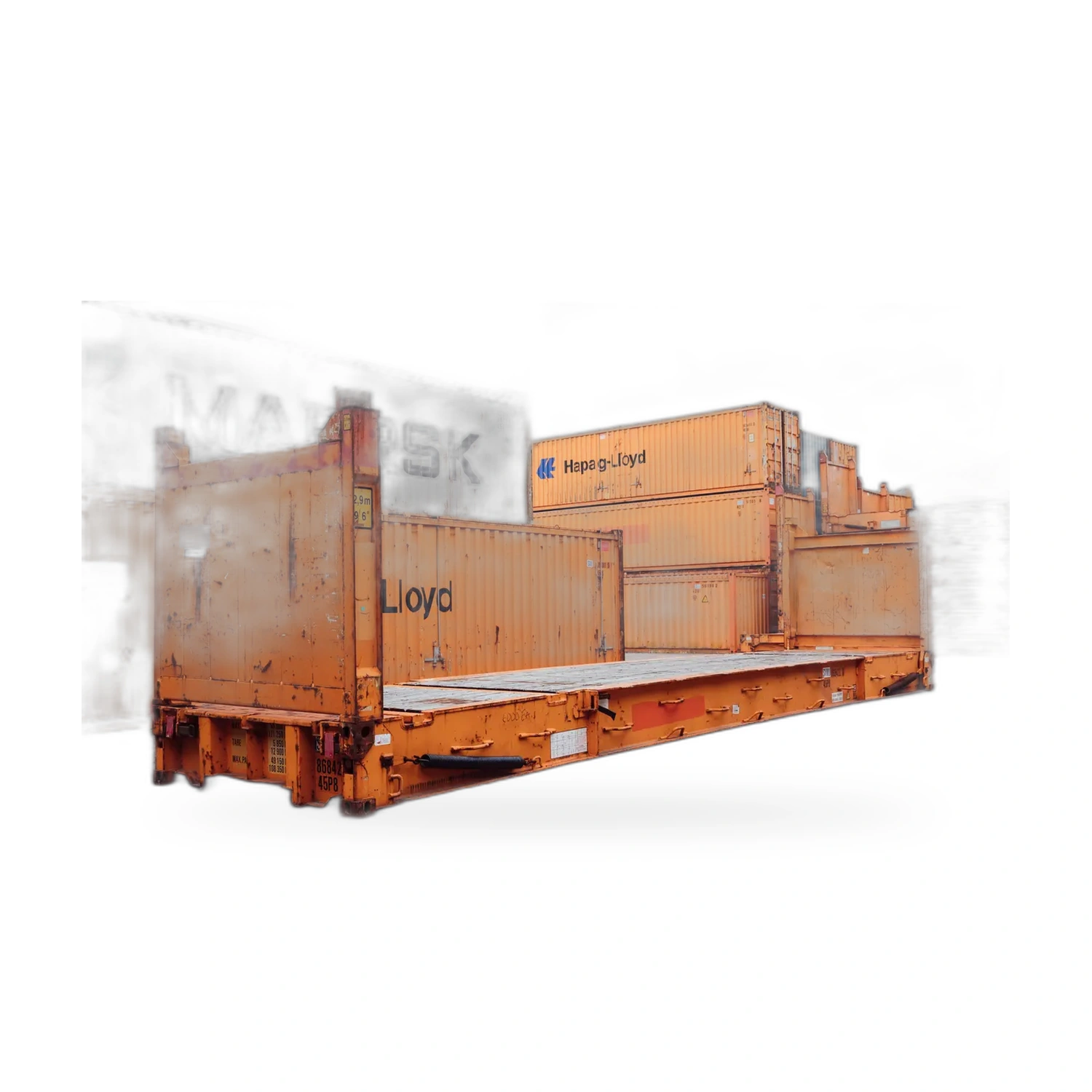
Gegenüber dem Flat Rack bleibt der wesentliche Unterschied der geschlossene Raum. Wo das Flat Rack in Breite und Höhe praktisch unbegrenzt ist, dafür aber keinerlei Schutz bietet, hält der Open Top vier Wände, einen Boden und eine verschließbare Tür bereit und begrenzt die Ladung dafür auf die Innenbreite. Wer einen 40ft Open Top Container gebraucht in Betracht zieht, sollte deshalb zuerst prüfen, ob die Sendung in Breite und Länge hineinpasst und wirklich nur die Höhe das Problem ist. Ist auch die Breite zu groß, führt kein Weg am Flat Rack vorbei.
Gegenüber dem Hardtop-Container fällt der Vergleich anders aus. Der Hardtop hat ein abnehmbares Stahldach und bietet damit vollen Wetterschutz sowie mehr Sicherheit gegen unbefugten Zugriff, wiegt aber mehr und verlangt zum Öffnen ein Hebezeug. Das Planendach ist leichter zu handhaben, bleibt dafür ein Verschleißteil und schützt weniger gut. Welche Bauform passt, hängt am Ende weniger am Preis als an der Ladung: empfindliche Güter, lange Standzeiten im Freien und Sicherheitsanforderungen sprechen für das feste Dach, häufige Kranbeladung und schnelle Wechsel für die Plane.
Stationäre Nutzung auf dem Betriebsgelände
Viele Open Tops sehen nie wieder ein Schiff. Auf dem Gelände ist die Bauform sehr praktisch, weil sperrige Teile mit dem ohnehin vorhandenen Kran von oben eingesetzt werden können und der Container abends trotzdem verschlossen wird. Typische Rollen sind ein Sammelbehälter für Verschnitt und Schrott, ein gesicherter Lagerplatz für lange Profile, die der Stapler bei ausgeschwenktem Querträger hineinschiebt, ein Gerätelager mit täglichem Kraneinsatz oder eine überdachte Arbeitsbucht, wenn nur der Rahmen ohne Plane bleibt. Da Türöffnung von 234,01 cm mal 227,99 cm und 28,37 m² Bodenfläche erhalten bleiben, funktioniert die Einheit an allen übrigen Tagen als normaler Lagercontainer. Achten Sie auf tragfähigen, ebenen Untergrund unter den Eckbeschlägen und auf die Windangriffsfläche der Plane.
Was vor dem Kauf schriftlich geklärt sein sollte
- Zustand der Plane, mit Fotos im ausgerollten Zustand, und ob sie im Preis enthalten ist.
- Vollständigkeit und Herkunft des Spriegelsatzes.
- Funktion des Türquerträgers, belegt durch Fotoserie oder kurzes Video.
- Einstufung als wind- und wasserdicht und durch wen diese erfolgte.
- CSC-Status sowie Verkauf als seetauglich oder für stationäre Nutzung.
- Anlieferung: ein 40-Fuß-Fahrzeug braucht Rangierfläche und eine feste, ebene Stellfläche.
Häufig gestellte Fragen
Warum ein 40ft Open Top Container gebraucht statt eines Standardcontainers?
Weil die Innenhöhe von 239,50 cm größer ist als die Türöffnungshöhe von 227,99 cm. Ladung in diesem Bereich lässt sich über die Dachlinie einheben, käme durch die Tür aber nie hinein. Gleichzeitig bleiben vier Wände, ein verschließbares Türende und die Plane erhalten, die Ladung reist also geschützt und nicht offen wie auf einem Flat Rack.
Welche Innenmaße und Kapazitäten sind erfasst?
Die Innenmaße betragen 1203,20 cm Länge, 235,20 cm Breite und 239,50 cm Höhe, daraus ergeben sich 28,37 m2 Bodenfläche und 66,80 m3 Volumen. Die Türöffnung misst 234,01 cm in der Breite und 227,99 cm in der Höhe. Zulässiges Gesamtgewicht 30.480 kg, Leergewicht 4.000 kg, Außenmaße 1219,20 cm mal 243,79 cm mal 259,11 cm.
Wie prüfe ich Plane und Dachspriegel?
Lassen Sie die Plane ausrollen und fotografieren. Achten Sie auf Risse an Faltkanten, Scheuerstellen über den Spriegeln, sprödes Material und ausgerissene Ösen, und kontrollieren Sie das durchgehende Zurrseil. Zählen Sie anschließend die Spriegel, heben Sie jeden an und prüfen Sie die Auflagetaschen. Fehlende oder verbogene Spriegel lassen die Plane durchhängen und Wasser sammeln.
Wozu dient der ausschwenkbare Türquerträger?
Er ist der Balken über den Türen und beim Open Top nicht fest eingeschweißt, sondern schwenk- oder abnehmbar. So lässt sich lange Ladung in voller Innenhöhe hineinschieben, statt sie von oben einzuheben. Zusammen mit den klappbaren Stirnwänden am Türende ist Staplerbeladung ohne Kran möglich. Verriegelt trägt der Querträger einen Teil der Rahmenkräfte und muss deshalb sicher schließen.
Eignet sich die Einheit als stationäres Lager?
Ja, gerade auf Baustellen und Betriebshöfen. Sperrige Teile werden von oben eingesetzt, danach wird die Plane wieder aufgezogen und der Container verschlossen. Übliche Einsätze sind Schrott- und Verschnittsammlung, Lagerung langer Profile über den ausgeschwenkten Türquerträger sowie tägliches Gerätelager. Wichtig sind ein tragfähiger, ebener Untergrund unter den Eckbeschlägen und die Windangriffsfläche der Plane.
Passende Container & Ausstattungsoptionen
Ähnliche Produkte