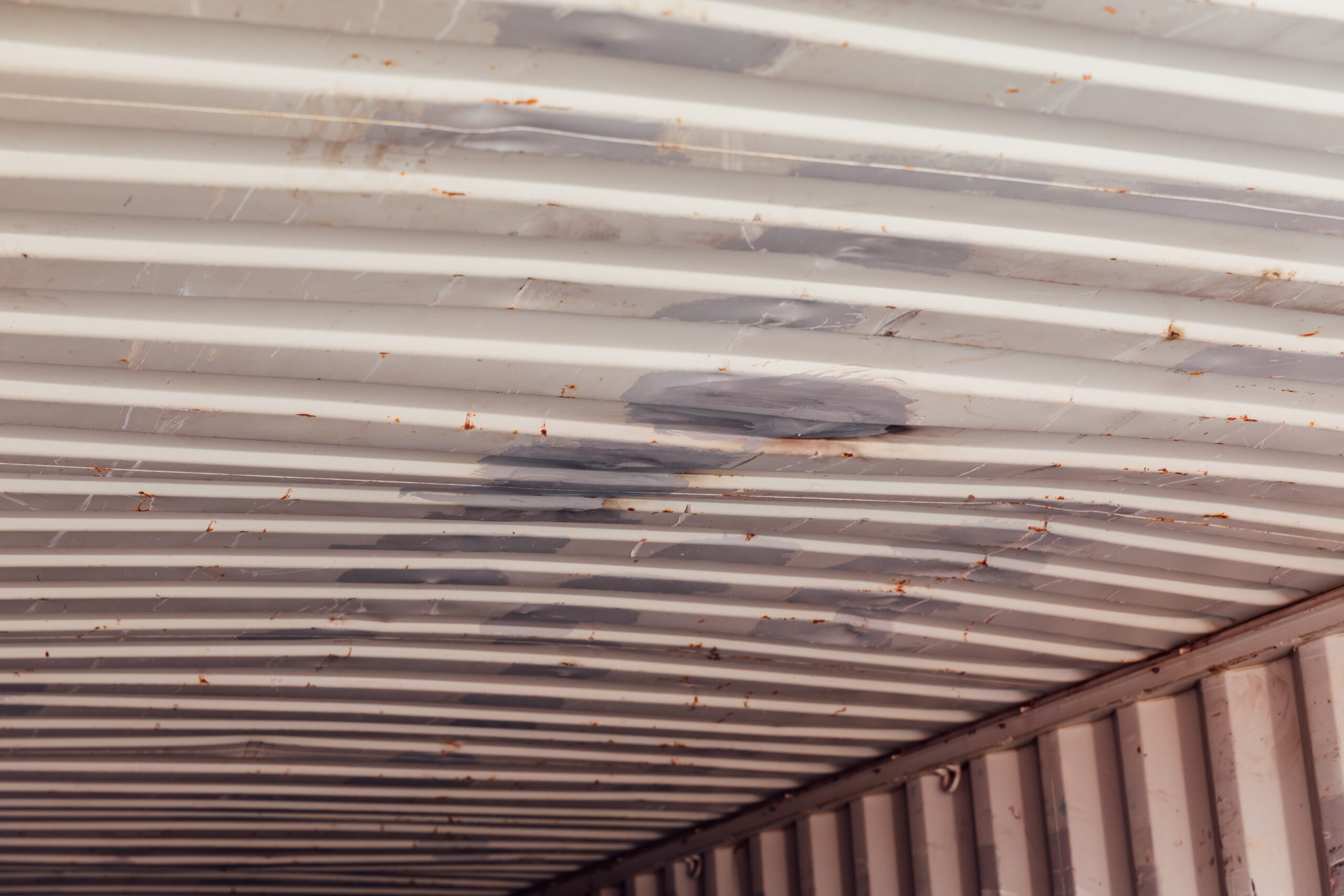
inkl. MwSt., zzgl. Versand · netto 1.149,00 €
Technische Daten
1219.20 x 243.79 x 259.11 cm
4,000 kg
67.7 m³
Online bestellen
1.367,31 € inkl. MwSt. · Versand 892,50 € inkl. MwSt. (Sidelifter)
Zahlung per Überweisung (Bankverbindung sofort nach der Bestellung) oder per Karte / Wallet über Stripe. Bis zu 10 Einheiten sofort bestellbar, größere Mengen auf Anfrage.
Technische Daten im Detail
| Abmessungen | |
|---|---|
| Außenlänge | 1219.20 cm |
| Außenbreite | 243.79 cm |
| Außenhöhe | 259.11 cm |
| Innenlänge | 1203.20 cm |
| Innenbreite | 235.20 cm |
| Innenhöhe | 239.50 cm |
| Breite | 234.01 cm |
| Höhe | 227.99 cm |
| Gewichte und Kapazität | |
| Bodenfläche innen | 28.37 m² |
| Volumen | 67.70 m³ |
| Nettogewicht | 4000 kg |
| Max. Bruttogewicht | 30480 kg |
| Weitere Angaben | |
| Innenbodenfläche | 28.37 m² |
Ähnliche Container
Beliebte Umbauten
Was anders ist, wenn Sie einen 40ft Seecontainer gebraucht kaufen
Wer einen 40ft Seecontainer gebraucht kauft, prüft nicht einfach dieselben Punkte wie bei einer Zwanzig-Fuß-Einheit in größerem Maßstab. Die Länge verändert die Schwachstellen. Eine zwölf Meter lange Box hat einen Boden mit erheblich größerer Spannweite, einen Rahmen, der sich über die Länge verwinden kann, und mit hoher Wahrscheinlichkeit eine Vergangenheit aus Stapeln, Twistlocks und vielen Hüben. Die üblichen Prüfungen gelten weiterhin, im Vordergrund stehen bei der langen Einheit aber Boden, Rahmengeometrie und Eckbeschläge.
Genau darum geht es hier. Unten stehen die geprüften Daten, danach folgt, worauf entlang der Länge zu achten ist, wie Twistlocks und Stapelung funktionieren und warum die Eckbeschläge so wichtig sind, und was Gewichte und Flächen bedeuten, sobald die Box auf Ihrem Grundstück steht.
Geprüfte Maße und Gewichte
| Angabe | Wert |
|---|---|
| Innenlänge | 1203,20 cm |
| Innenbreite | 235,20 cm |
| Innenhöhe | 239,50 cm |
| Außenlänge | 1219,20 cm |
| Außenbreite | 243,79 cm |
| Außenhöhe | 259,11 cm |
| Türöffnung Breite | 234,01 cm |
| Türöffnung Höhe | 227,99 cm |
| Ladefläche innen | 28,37 m² |
| Volumen | 67,70 m³ |
| Max. Bruttogewicht | 30.480 kg |
| Leergewicht (Tara) | 4.000 kg |
Der lange Boden entscheidet über den Preis
Bei einer gebrauchten langen Box ist der Boden der teuerste Fehler. Er besteht aus Sperrholz oder Bambuslaminat auf stählernen Querträgern, und über 1203,20 cm Innenlänge ist davon reichlich vorhanden. Ein kompletter neuer Bodenbelag auf vierzig Fuß ist eine erhebliche Arbeit. Klären Sie den Zustand also, bevor Sie über den Preis sprechen.
Gehen Sie die volle Länge ab, statt nur von der Tür hineinzuschauen. Federn Sie in Abständen leicht auf und achten Sie darauf, wie der Belag reagiert. Eine gleichmäßige Durchbiegung ist normal. Gesucht sind örtlich weiche Stellen, an denen eine Platte deutlich stärker nachgibt als die Nachbarplatten, denn dort hat Wasser gestanden und die Lagen haben sich getrennt. Dunkle Verfärbungen, aufstehende Plattenränder und herausgearbeitete Schrauben deuten auf dasselbe hin.
Prüfen Sie danach die Unterseite. Die Querträger tragen den Boden zwischen den unteren Längsträgern, und bei einer langen Box gibt es viele davon. Korrosion ist hier verdeckt, tragend und nach dem Aufstellen und Beladen kaum noch zugänglich. Leichter Flugrost unten ist bei gebrauchten Einheiten normal. Blätternde Schichten, Löcher oder ein Träger, der unter dem Schraubendreher nachgibt, sind es nicht. Stand die Box jahrelang direkt auf Erde oder Rasen, erwarten Sie das Schlimmste in der Mitte der Spannweite, wo keine Luft zirkulieren konnte.
Rahmengeometrie über zwölf Meter
Eine kurze Box, die schlecht behandelt wurde, ist meist offensichtlich verzogen. Eine lange verbirgt das besser, weil sich derselbe Verzug über die doppelte Strecke verteilt. Der zuverlässige Test sind die Türen. Öffnen Sie beide Flügel vollständig und schließen Sie sie wieder. Bei einer rechtwinkligen Box schwingen sie frei, die Nocken fallen ohne Nachhelfen in die Halter und die Griffe liegen flach an. Muss eine Tür angehoben, gedrückt oder geschlagen werden, ist der Rahmen verwunden, und das lässt sich an den Bändern nicht wirklich beheben.
Peilen Sie von einer Ecke aus an oberem und unterem Längsträger entlang. Über zwölf Meter sieht man eine Durchbiegung leichter, als man sie misst. Ein verbogener oberer Längsträger deutet auf Kontakt mit Spreader oder Staplermast hin. Beachten Sie außerdem, worauf die Box gerade steht: Steht sie auf unebenem Grund, ist ein Teil des Befunds vorübergehend. Trennen lässt sich das nur, indem die Türen an einer waagerecht stehenden Einheit bedient werden.
Eckbeschläge, Twistlocks und ihre Bedeutung
Die acht Eckbeschläge sind die Schnittstelle zwischen Container und allem, was ihn bewegt. Jeder hat Öffnungen an drei Seiten. Ein Twistlock ist ein Verschluss, dessen Kopf durch eine dieser Öffnungen geführt und dann gedreht wird, sodass er nicht mehr herausgezogen werden kann. So werden Boxen auf dem Schiff, auf dem Chassis und im Stapel untereinander gesichert, und deshalb lässt sich ein Container weltweit mit Standardgerät handhaben.
Prüfen Sie bei einer gebrauchten Einheit alle acht Beschläge. Gesucht sind Risse, die von den Langlöchern ausgehen, verformte Öffnungen, gestauchte Oberseiten und Schweißreparaturen am Übergang zum Eckpfosten. Schäden sind hier gravierender als fast überall sonst, denn an einer Ecke, an der ein Twistlock nicht sauber greift, kann weder gehoben noch gesichert werden. Solche Reparaturen gehören in einen Fachbetrieb und nicht auf den Hof.
Achten Sie außerdem darauf, dass die Beschläge frei von Farbaufbau und Schmutz sind. Ein Twistlock, der wegen überlackierter Öffnungen nicht sitzt, ist ein kleines Problem, das am Tag des Hubs ein großes wird.
Stapeln gebrauchter Einheiten
Container sind für die Stapelung ausgelegt, und gebrauchte Einheiten werden auf Höfen routinemäßig gestapelt, um Fläche zu sparen. Ob eine bestimmte Einheit gestapelt werden darf und wie hoch, hängt jedoch von den zertifizierten Werten genau dieser Box ab, vom Zustand der Beschläge und Eckpfosten, vom Untergrund und von der Windbelastung am Standort. Das sind Einzelfallfragen und keine Faustregel.
Drei Punkte gelten immer. Stapellasten laufen über Eckpfosten und Eckbeschläge nach unten, nicht über die Wände, die Ausrichtung muss also genau stimmen. Zwischen die Lagen gehören Twistlocks oder Stapelkegel, denn nur aufeinander gestellte Boxen können sich verschieben. Und die untere Einheit trägt alles darüber, weshalb das Fundament für den gesamten Stapel ausgelegt sein muss und nicht für einen Container. Lassen Sie das Stapeln von entsprechend ausgerüsteten Fachleuten ausführen.
Türseite und Beladung
Die Öffnung misst 234,01 cm in der Breite und 227,99 cm in der Höhe, bei einer Innenhöhe von 239,50 cm. Die Höhendifferenz ist der kritische Wert, weil der Türsturz unter der Dachlinie liegt. Messen Sie hohe Güter samt Unterbau gegen 227,99 cm und nicht gegen die Innenhöhe. Im Inneren steht die zusätzliche Höhe dann für die Stapelung zur Verfügung.
Nehmen Sie sich bei einer gebrauchten Box Zeit für die Türen selbst. Prüfen Sie die Gummidichtungen umlaufend an beiden Flügeln, denn poröse oder plattgedrückte Dichtungen sind die häufigste Ursache dafür, dass eine optisch gute Einheit Wasser zieht. Sie sind austauschbar und damit ein Verhandlungspunkt. Kontrollieren Sie ausgeschlagene Bandbolzen, verbogene Verschlussstangen im Bereich der unteren Nocken und die Türschwelle, die Wasser, Streusalz und die Räder jedes Hubwagens abbekommen hat.
Typische Rostbilder bei langen Boxen
Corten-Stahl bildet an offenen Stellen eine festhaftende Oxidschicht, die den weiteren Abtrag bremst. Deshalb sehen gebrauchte Container schlechter aus, als sie sind. Entscheidend ist die Unterscheidung zwischen Oberflächenrost, der sich bürsten und beschichten lässt, und schichtbildendem oder durchgehendem Rost. Klopfen Sie verdächtige Stellen ab: gesunder Stahl klingt hell, zerfressener dumpf.
Lange Boxen haben eigene Schwerpunkte. In der Mitte der Spannweite steht Wasser auf dem leicht gesetzten Dachblech, schauen Sie dort zuerst und flach über die Fläche. Die unteren Längsträger sammeln über die ganze Länge Streusalz und Spritzwasser. Türschwelle und untere Ecken des Türrahmens bekommen stehendes Wasser ab. Flickstellen sind bei diesem Alter üblich und unproblematisch, wenn das Blech umlaufend verschweißt und beschichtet ist. Laufspuren an der Flickkante deuten darauf hin, dass Wasser dahinter wandert.
Wind- und wasserdicht und was das nicht heißt
Die meisten gebrauchten langen Einheiten werden als wind- und wasserdicht angeboten. Das bedeutet, dass Wetter an Dach, Nähten und Türdichtungen ausgeschlossen wird. Es bedeutet nicht, dass das Innere trocken bleibt, denn eine ungedämmte Stahlbox schlägt Feuchtigkeit an der kalten Dachunterseite nieder und tropft sie auf die Ladung. Halten Sie die Lüftungsöffnungen frei, lagern Sie nur trockene Ware ein, stellen Sie alles auf Paletten, lassen Sie Wandabstand und setzen Sie bei empfindlichen Gütern Trockenmittel ein. Lassen Sie sich außerdem bestätigen, welche Zustandsformulierung für die konkret angebotene Einheit gilt, und bitten Sie um Fotos genau dieser Box.
Gewichte, Flächen und Planung
Das Leergewicht beträgt 4.000 kg. Das ist die Zahl, die Kranführer oder Ladekranfahrer am Liefertag brauchen. Das maximale Bruttogewicht von 30.480 kg gilt für die beladene Einheit, und die Differenz ist Ihre Ladungsreserve, die vor der Planung schwerer Lasten über Angebot oder CSC-Plakette bestätigt sein sollte.
Für den Grundriss arbeiten Sie mit der Ladefläche von 28,37 m². Das trägt bequem Regale an beiden Längsseiten mit freiem Mittelgang, und genau diese Anordnung hält eine zwölf Meter lange Box nutzbar, weil alles am hinteren Ende weit von der einzigen Türseite entfernt liegt. Das Volumen von 67,70 m³ ist eine Obergrenze und kein Planwert, sobald Gänge, ungleichmäßige Packmaße und die niedrigere Türöffnung berücksichtigt sind. Denken Sie auch an Beleuchtung, denn das Tageslicht der Türseite erreicht die Rückwand nicht.
Aufstellung, Auflager und Anlieferung
Setzen Sie die Einheit auf vier feste Auflagepunkte unter den Eckbeschlägen, waagerecht zueinander und nicht ungefähr waagerecht. Über diese Spannweite verwindet eine tiefer liegende Ecke den Rahmen, macht die Türen schwergängig und belastet auf Dauer die Dichtungen. Auf weichem oder aufgefülltem Boden verringern zusätzliche Auflager entlang der Länge die Durchbiegung der unteren Längsträger, was sich bei schwerer, verteilter Ladung lohnt. Halten Sie die Unterseite frei von stehendem Wasser und Bewuchs, damit die Querträger trocken bleiben. Das ist genau der Schaden, auf den Sie beim Kauf geachtet haben.
Die Anlieferung braucht mehr Planung als die reine Stellfläche. Das Fahrzeug ist länger als die 1219,20 cm der Box, benötigt eine breite Schleppkurve, während des Hubs lichte Höhe weit über den 259,11 cm der Einheit, tragfähigen Boden für die Kranstützen und eine Möglichkeit zur Ausfahrt. Beschreiben Sie das Gelände bei der Preisanfrage offen, einschließlich Belag und Gefälle.
Wann sich vierzig Fuß gebraucht lohnen
Für Hoflager, Sicherung von Maschinen und Material, Archive, Langgut und allgemeine Baustellennutzung liefert eine solide gebrauchte lange Box das günstigste umschlossene Volumen überhaupt, und die Gebrauchsspuren sind überwiegend kosmetisch. Weniger geeignet ist gebraucht bei ausgebauten Umbauten, wo ein müder Boden und eine unbekannte Ladungsgeschichte echte Kosten werden, und dort, wo mehrere Einheiten optisch zusammenpassen sollen. Beurteilen Sie einen 40ft Seecontainer gebraucht über Boden, Eckbeschläge und Türgängigkeit. Alles Weitere ist Farbe.
Häufig gestellte Fragen
Was prüfe ich zuerst, wenn ich einen 40ft Seecontainer gebraucht kaufe?
Boden, Rahmengeometrie und Eckbeschläge, in dieser Reihenfolge. Gehen Sie die vollen 1203,20 cm Innenlänge ab und achten Sie auf örtlich weiche Stellen. Prüfen Sie die Querträger unter der Box auf Korrosion jenseits von Flugrost. Bedienen Sie beide Türflügel, denn Schwergängigkeit zeigt Verzug. Kontrollieren Sie alle acht Beschläge auf Risse und Verformungen.
Was sind Twistlocks und warum zählt der Zustand der Beschläge?
Ein Twistlock ist ein Verschluss, dessen Kopf durch eine Öffnung im Eckbeschlag geführt und gedreht wird, sodass er nicht mehr herausgezogen werden kann. So werden Container auf Schiff, Chassis und im Stapel gesichert. Ist ein Beschlag gerissen, verformt oder überlackiert, greift der Twistlock nicht, und an dieser Ecke kann nicht gehoben werden. Reparaturen gehören in einen Fachbetrieb.
Darf eine gebrauchte 40-Fuß-Einheit gestapelt werden?
Das hängt von den zertifizierten Werten der konkreten Einheit ab, vom Zustand der Eckbeschläge und Eckpfosten, vom Untergrund und von der Windbelastung am Standort. Es ist also eine Einzelfallfrage. Immer gilt: Lasten laufen über die Eckpfosten, zwischen die Lagen gehören Twistlocks oder Stapelkegel, und das Fundament muss für den gesamten Stapel ausgelegt sein.
Heißt wind- und wasserdicht, dass es innen trocken bleibt?
Nein. Es heißt, dass Wetter an Dach, Nähten und Türdichtungen ausgeschlossen wird. Eine ungedämmte Stahlbox schlägt weiterhin Feuchtigkeit an der kalten Dachunterseite nieder, die auf die Ladung tropft und regelmäßig für ein Leck gehalten wird. Lüftungsöffnungen frei halten, nur trockene Ware einlagern, alles auf Paletten stellen, Wandabstand lassen, bei Bedarf Trockenmittel einsetzen.
Wie viel Fläche und Gewicht stehen zur Verfügung?
Die Ladefläche beträgt 28,37 m2, das Volumen 67,70 m3, das Leergewicht 4.000 kg und das maximale Bruttogewicht 30.480 kg. Planen Sie den Grundriss über die Ladefläche, denn Regale an beiden Längsseiten mit Mittelgang halten eine zwölf Meter lange Box nutzbar. Das Volumen ist eine Obergrenze und kein realistischer Füllwert.
Passende Container & Ausstattungsoptionen
Ähnliche Produkte