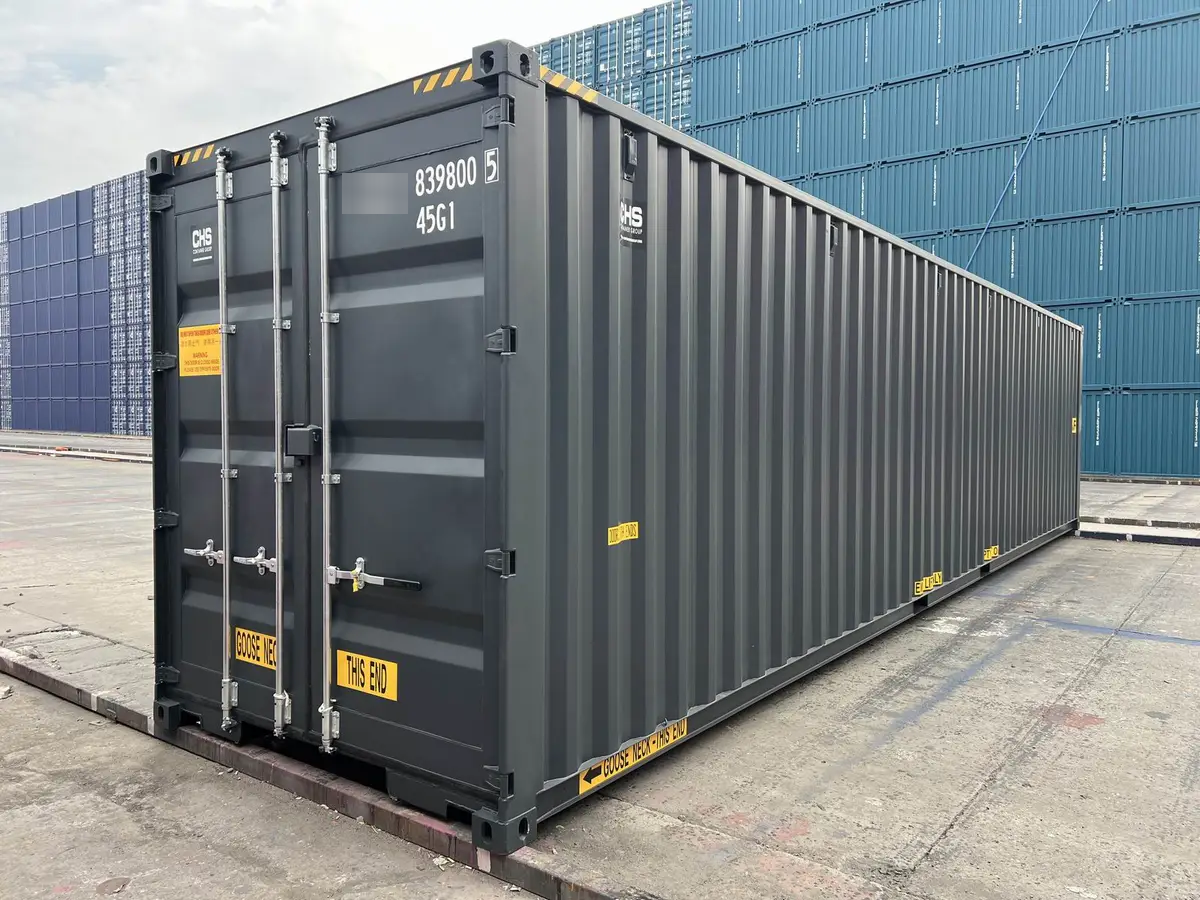
inkl. MwSt., zzgl. Versand · netto 3.999,00 €
Technische Daten
1219.20 x 243.79 x 289.61 cm
4,000 kg
76.4 m³
Online bestellen
4.758,81 € inkl. MwSt. · Versand 892,50 € inkl. MwSt. (Sidelifter)
Zahlung per Überweisung (Bankverbindung sofort nach der Bestellung) oder per Karte / Wallet über Stripe. Bis zu 10 Einheiten sofort bestellbar, größere Mengen auf Anfrage.
Technische Daten im Detail
| Abmessungen | |
|---|---|
| Außenlänge | 1219.20 cm |
| Außenbreite | 243.79 cm |
| Außenhöhe | 289.61 cm |
| Innenlänge | 1203.20 cm |
| Innenbreite | 235.20 cm |
| Innenhöhe | 269.80 cm |
| Breite | 234.01 cm |
| Höhe | 258.50 cm |
| Gewichte und Kapazität | |
| Bodenfläche innen | 28.14 m² |
| Volumen | 76.40 m³ |
| Nettogewicht | 4000 kg |
| Max. Bruttogewicht | 30480 kg |
| Weitere Angaben | |
| Innenbodenfläche | 28.14 m² |
Ähnliche Container
Beliebte Umbauten
Zwei offene Enden und dreißig Zentimeter mehr
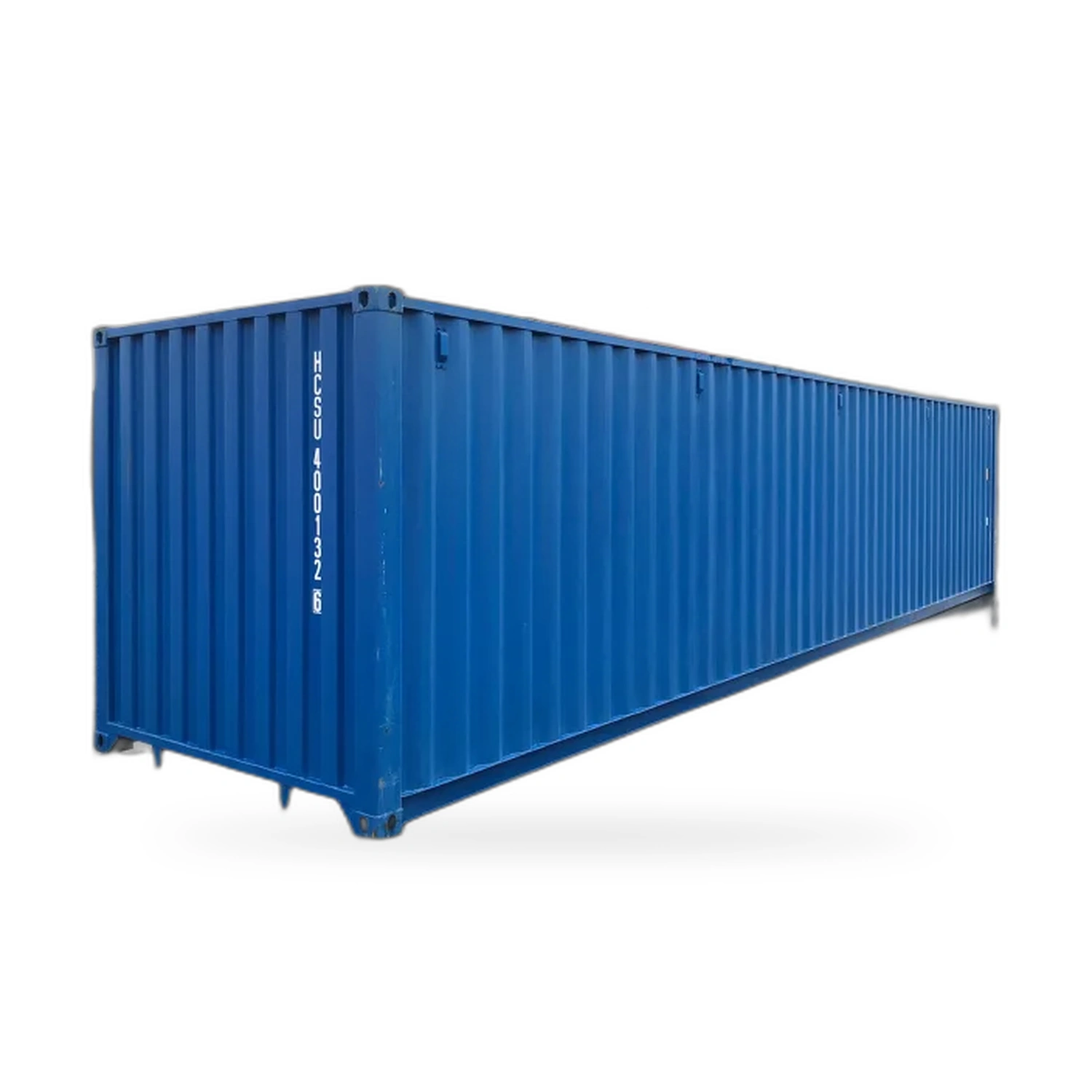
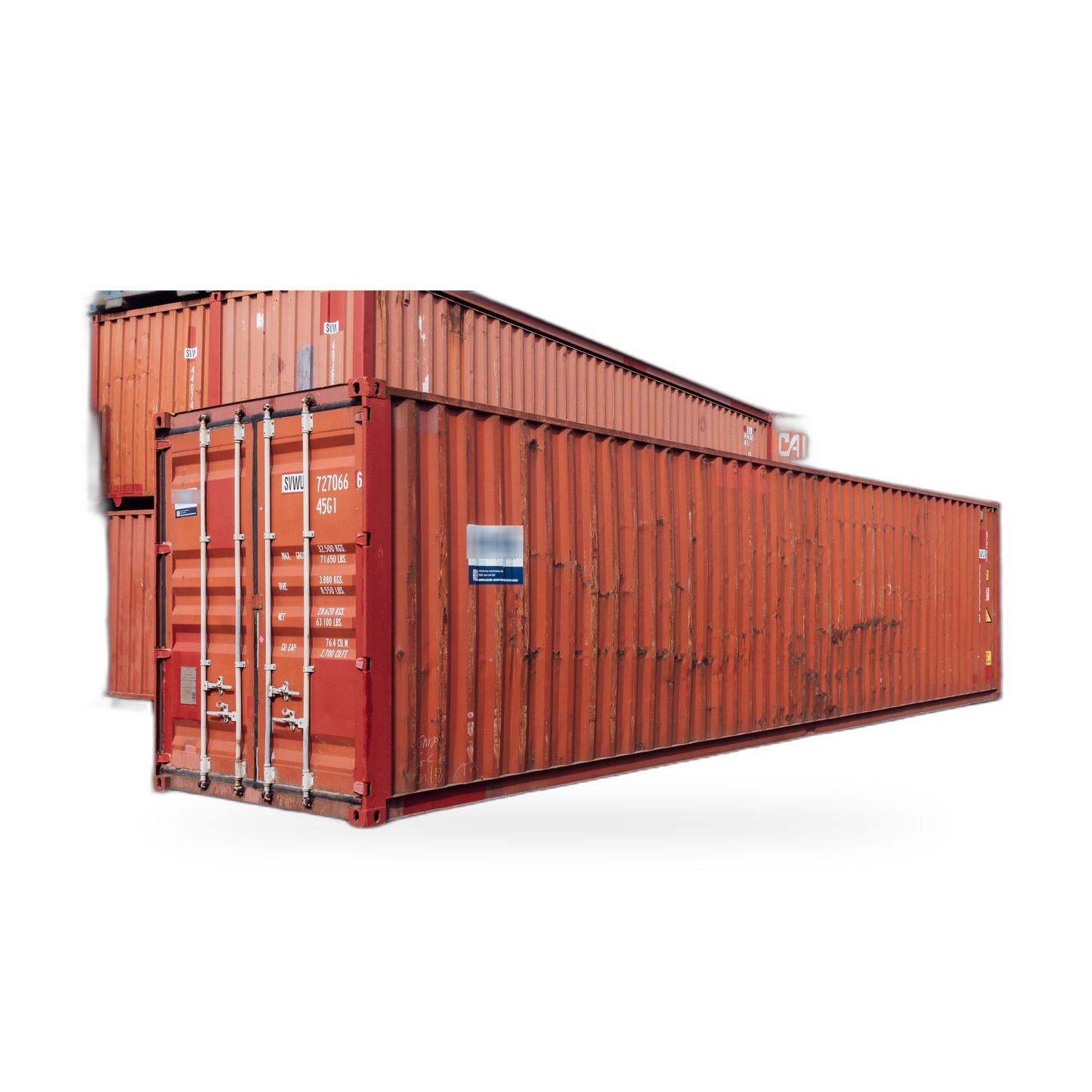
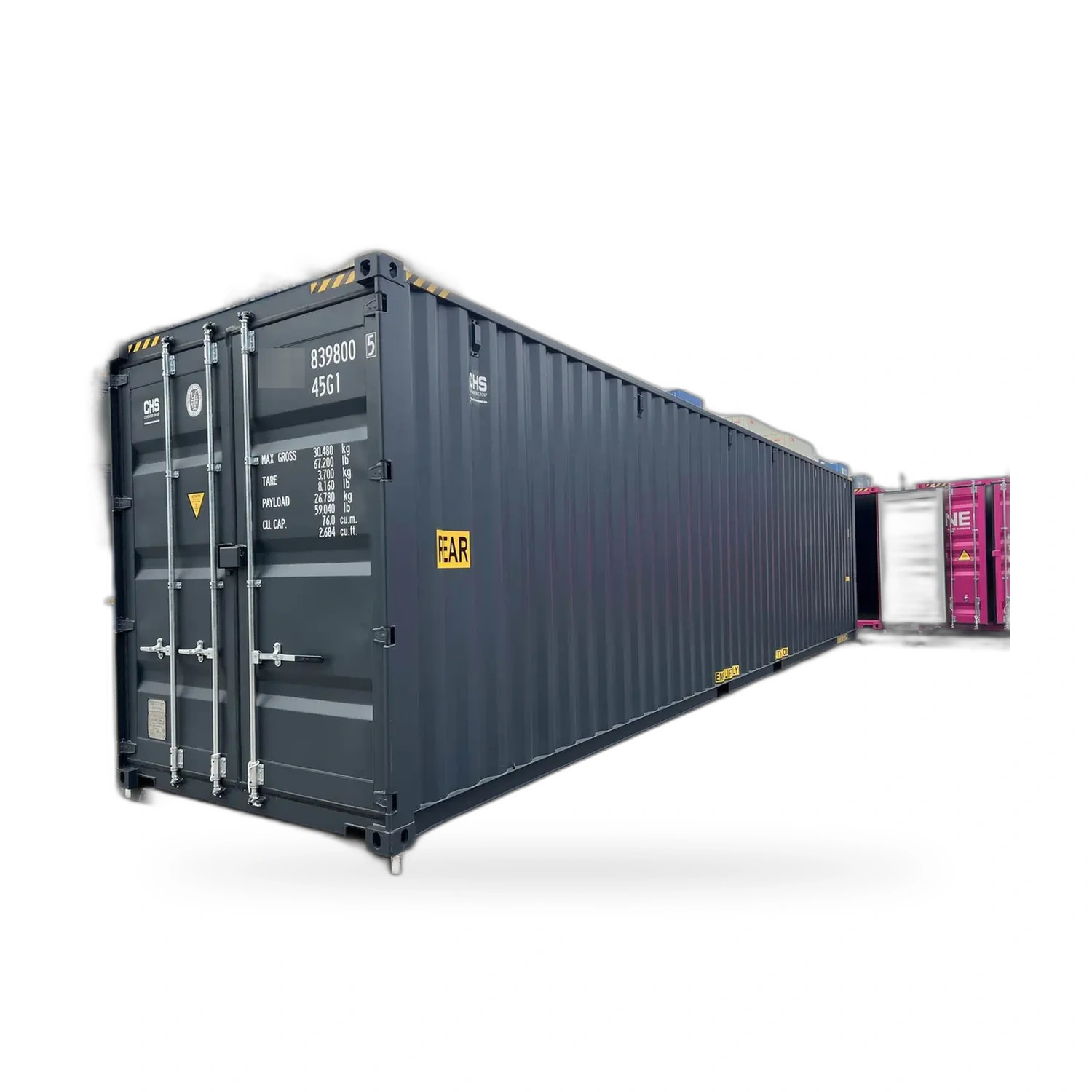
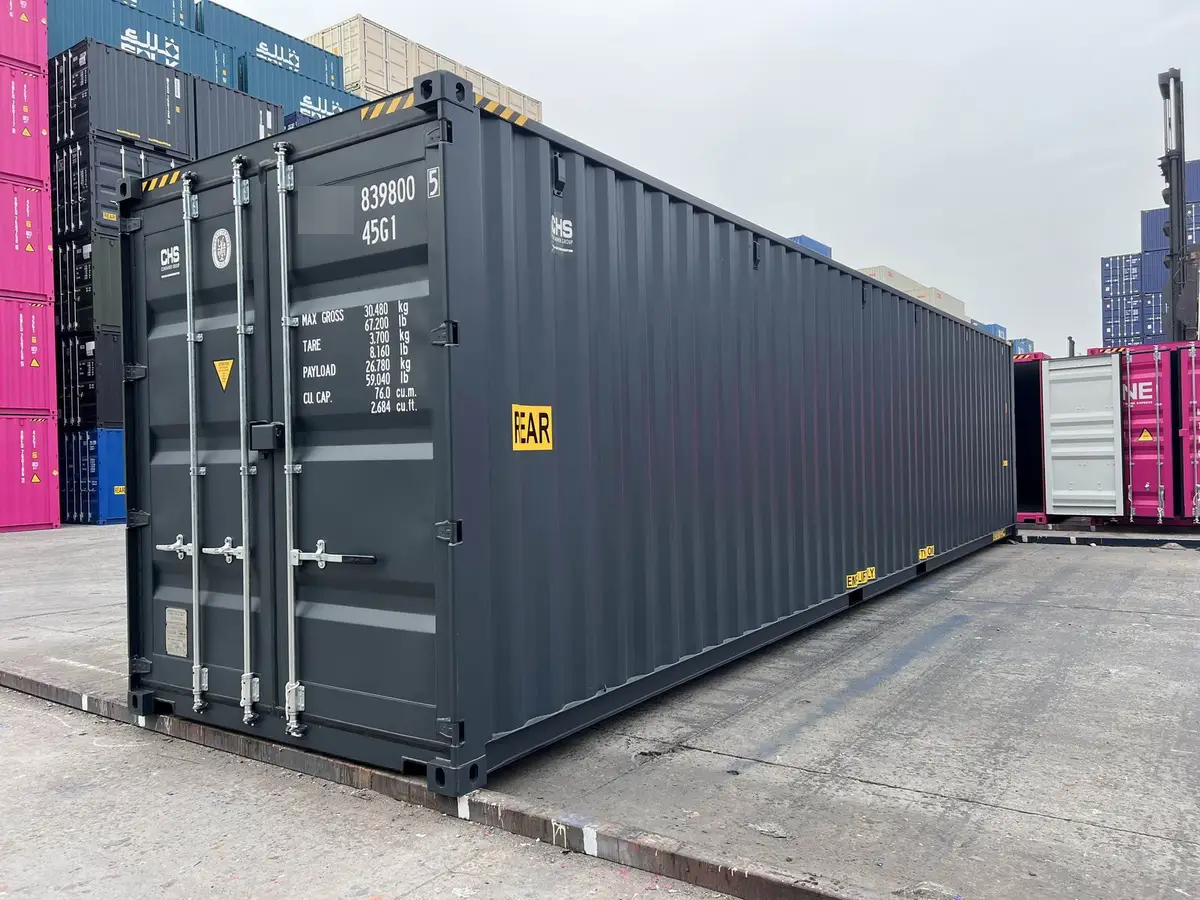
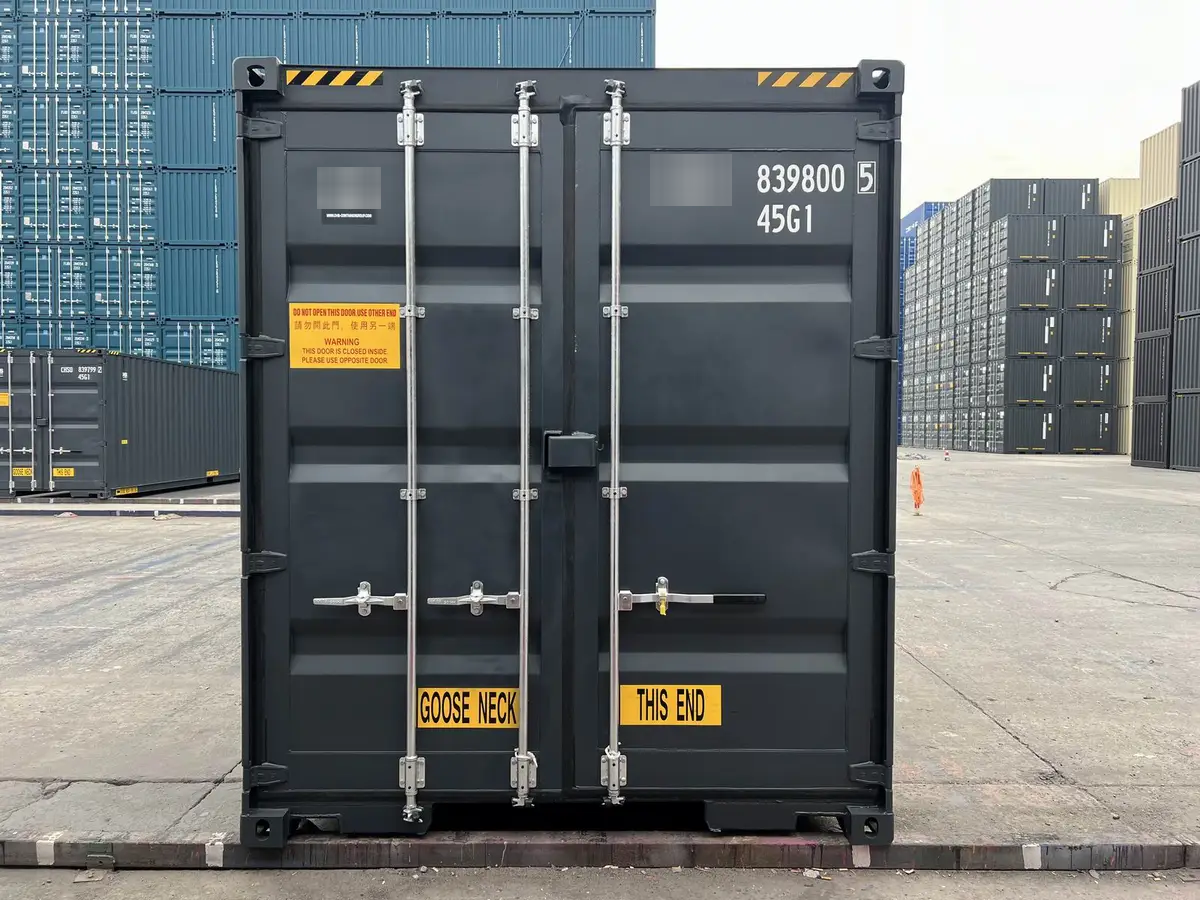
Die meisten Containerentscheidungen betreffen eine einzige Größe: entweder die Höhe oder den Zugang. Wer einen 40ft High Cube Tunnelcontainer neu plant, nimmt beides zugleich, und die zwei Merkmale verstärken sich gegenseitig, statt sich nur zu addieren. Erfasst sind Innenmaße von 1203,20 cm Länge, 235,20 cm Breite und 269,80 cm Höhe mit 28,14 m² Ladefläche und 76,40 m³ Volumen. Beide Türöffnungen messen 234,01 cm in der Breite und 258,50 cm in der Höhe. Die Außenmaße betragen 1219,20 cm mal 243,79 cm mal 289,61 cm, das zulässige Gesamtgewicht liegt bei 30.480 kg, das Leergewicht bei 4.000 kg, womit 26.480 kg Nutzlast bleiben. Diese Zahlen verdienen genaue Betrachtung, weil sie bestimmen, was sich im Container einrichten lässt, nicht nur, was hineinpasst.
Technische Daten im Vergleich zur Standardhöhe
| Angabe | High Cube Tunnel | Tunnel in Standardhöhe |
|---|---|---|
| Innenlänge | 1203,20 cm | 1203,20 cm |
| Innenbreite | 235,20 cm | 235,20 cm |
| Innenhöhe | 269,80 cm | 239,50 cm |
| Außenhöhe | 289,61 cm | 259,11 cm |
| Türöffnung Breite | 234,01 cm | 234,01 cm |
| Türöffnung Höhe | 258,50 cm | 227,99 cm |
| Volumen | 76,40 m³ | 67,01 m³ |
| Zulässiges Gesamtgewicht | 30.480 kg | 30.480 kg |
| Leergewicht (Tara) | 4.000 kg | 4.000 kg |
Sämtliche waagerechten Maße sind identisch. Die Innenhöhe gewinnt 30,30 cm, die Türöffnung gewinnt 30,51 cm, und das Volumen wächst um 9,39 m³, also um knapp vierzehn Prozent bei gleicher Stellfläche, gleicher Türbreite und gleicher zulässiger Masse. Das Türmaß wird dabei am häufigsten übersehen und entscheidet am häufigsten über den Kauf, denn was unter das Dach passt, aber nicht durch die Öffnung geht, kommt gar nicht erst hinein.
Regalplanung mit Durchgang
Zwei Regalreihen und ein durchgehender Gang
Im einseitig zu öffnenden Container lautet die übliche Antwort: eine Regalreihe an einer Längswand, ein Arbeitsgang an der anderen, weil alles durch dieselbe Tür zurück muss. Mit Öffnungen an beiden Enden ändert sich das Bild grundlegend: zwei Reihen an beiden Längswänden und ein freier Mittelgang, der an beiden Seiten ins Freie führt. Aus dem Schrank wird ein kurzer Lagergang. Kommissioniert wird in eine Richtung, nachgeschoben aus der anderen, und der Hubwagen muss nicht mehr über die volle Länge zurückgezogen werden. Genau dieses Layout ist im einseitigen Container nicht möglich, dort endet der Gang immer in einer Sackgasse.
Eine zusätzliche Ebene
Die zusätzlichen 30,30 cm Innenhöhe entsprechen in leichten Fachbodenregalen häufig genau einer weiteren Ebene, oder sie machen aus einer grenzwertigen zweiten Palettenlage eine sichere. Zusammen mit dem durchgehenden Gang vervielfacht sich der Nutzen: eine zusätzliche Ebene an beiden Längswänden, von beiden Enden erreichbar, in einer Einheit, die im Hofplan keinen Zentimeter mehr belegt. Bei der Planung sollte vom Flurförderzeug her gerechnet werden, nicht vom Regal. Ein Stapler braucht Bauhöhe des eingefahrenen Masts plus Restanhub, Neigung und Freiraum zum Herausziehen der Zinken. Dieses Maß, nicht die Höhe der obersten Palette, entscheidet über die Nutzbarkeit der obersten Ebene.
Durchlaufkanäle und Bereitstellung
Weil beide Enden offen sind, werden Durchlaufregale und einfache Rollenbahnen interessant. Ware wird an einem Ende eingelagert, läuft durch die Länge des Containers und wird am anderen Ende entnommen. Die Rotation ergibt sich damit aus der Geometrie statt aus der Disziplin. Die Überhöhe schafft den Raum, mehrere Kanäle übereinander zu führen oder einen Kanal auf angenehmer Arbeitshöhe zu halten und den Raum darüber trotzdem zu nutzen. Deshalb findet sich diese Bauform als Puffer zwischen Fertigung und Versand, in Werkstätten mit stetigem Materialverbrauch und überall dort, wo datierte Bestände geführt werden.
Höhe, Türen und das Hineinbekommen
Erfasst sind 258,50 cm Türöffnungshöhe gegenüber 269,80 cm Innenhöhe. Die rund 11 cm Differenz sind Türquerträger und Obergurt. Praktisch heißt das: Ein Stück nahe 258,50 cm kommt auf flachen Rollen, einer Rollenbahn oder mit Hebeböcken hinein, nicht auf Gabelzinken, denn die Zinken bauen unter der Last zusätzlich auf. Ebenso in der Breite: 234,01 cm Öffnung gegenüber 235,20 cm Innenbreite lassen fast nichts übrig, breite Stücke müssen exakt rechtwinklig zur Öffnung stehen. Maschinen auf Rahmen, hohe verpackte Aggregate, vormontierte Regalstützen, Glasgestelle, palettierte Fenster, Reifen, Matratzen und leichte voluminöse Ware sind die Fälle, in denen sich die höhere Türöffnung auszahlt.
Was die Überhöhe für den Ausbau bedeutet
Soll der Container verkleidet, gedämmt und ausgebaut werden, ist Höhe die Ressource, die am schnellsten aufgebraucht wird. Der aufgebaute Boden nimmt einen Teil, Konterlattung und Dämmung an der Decke nehmen mehr, die Deckenplatte noch einmal, und Leuchten, Kabeltrassen und Lüftung holen den Rest. Eine Innenhöhe von 269,80 cm gibt der Planung den nötigen Vorrat. Sie erlaubt außerdem, die Technik oben unter dem Dach zu führen statt an einer Längswand, wo sie mit Regal oder Werkbank konkurriert. In einer beidseitig offenen Hülle wiegt das schwerer als sonst, denn beide Enden sind bereits für den Zugang vergeben, es gibt also keine geschlossene Stirnwand, hinter der sich Verteiler, Heizgerät oder Kanal verstecken ließen.
Luft, Kondensat und die Höhe
Höhe wirkt auch auf das Innenklima. Warme, feuchte Luft steigt und trifft zuerst auf die Dachbleche, die nachts schneller auskühlen als der übrige Korpus. Dort schlägt sich Kondensat nieder und tropft auf die oberste Lage, was im Betrieb gern als Regen im Container beschrieben wird. Mehr Raumhöhe verschafft zweierlei: Der Abstand zwischen oberster Ladung und Dachblech wird größer, und es bleibt Platz für Lüftungsöffnungen im oberen Bereich, die zusammen mit Öffnungen weiter unten einen Luftwechsel erzeugen. Bei zwei Türenden kommt hinzu, dass sich der Innenraum durch Öffnen beider Seiten in kurzer Zeit vollständig durchlüften lässt, was nach feuchter Ladung oder vor Arbeiten im Inneren nützlich ist. Wer feuchtigkeitsempfindliche Ware einlagert, sollte Lüftung, Trockenmittel und die Frage klären, welche Lüftungsgitter die konkrete Einheit besitzt oder aufnehmen kann.
Dazu gehört der Boden. Ein Ausbau, der Regale trägt und den Verkehr eines Hubwagens aushält, belastet den Bodenaufbau anders als ruhende Palettenware. Fragen Sie nach der Ausführung des Bodens der konkreten Einheit und danach, wie Regalfüße befestigt werden sollen, denn Bohrungen durch den Boden sind eine dauerhafte Eintrittsstelle für Feuchtigkeit von unten. Üblich ist es, Regale entweder an den Seitenwandprofilen abzufangen oder auf einen eigenen Rahmen zu setzen, der die Last verteilt und ohne Durchdringung auskommt.
Standardhöhe oder Überhöhe bei zwei Türenden
- Für die Standardhöhe spricht eine feste Höhenbegrenzung am Standort, eine Zufahrt unter Vordach, Freileitung oder niedriger Toreinfahrt, oder eine so dichte Ladung, dass die Masse und nicht der Raum die Grenze bildet.
- Für die Überhöhe sprechen Regalplanung, eine zusätzliche Ebene, Verkleidung und Innenausbau, hohe Einzelstücke und alle Fälle, in denen 258,50 cm statt 227,99 cm Türöffnung darüber entscheiden, ob das Stück überhaupt hineingeht.
- Alle waagerechten Entscheidungen sind identisch: 1203,20 cm Innenlänge, 235,20 cm Innenbreite, 234,01 cm Türbreite, 30.480 kg zulässiges Gesamtgewicht bei 4.000 kg Tara. Es geht also wirklich allein um die Höhe.
Was die höhere Hülle verlangt
Eine Außenhöhe von 289,61 cm hat Folgen, bevor die Einheit überhaupt ankommt. Sie steht auf einer Ladefläche, die Transporthöhe liegt also über der Containerhöhe, und die Anfahrt gehört auf Brücken, Freileitungen, Vordächer und Tore geprüft. Ein Seitenlader oder Absetzkipper braucht beim Absetzen erheblich mehr lichte Höhe als die Einheit selbst. Am Standort bietet die höhere Hülle dem Wind mehr Fläche, und da beide Enden Türrahmen statt steifer gesickter Wandbleche sind, tragen Eckpfosten, Türquerträger, Türschwellen, Gurte und Bodenaufbau die Verwindungssteifigkeit. Alle vier Eckbeschläge auf Betonplatten, Bahnschwellen oder lastverteilenden Unterlagen absetzen, sauber ausrichten und beide Türseiten schließen lassen, bevor das Fahrzeug abfährt. Gehoben und gestapelt wird ausschließlich an den Eckbeschlägen.
Warum ein 40ft High Cube Tunnelcontainer neu bestellt wird
Der Neukauf wiegt bei dieser Bauform schwerer als beim einfachen Container, denn es gibt doppelt so viele Türbeschläge, die Schaden nehmen können, und die Türausrichtung ist im Nachhinein teuer zu richten. Wird ein 40ft High Cube Tunnelcontainer neu geliefert, sind Nocken und Halter unverbogen, die Dichtungen ungequetscht, der Boden sauber und die Hülle unbeschriftet, was für Verkleidung, Beschriftung und Ausbau zählt. Klären Sie bei der Anfrage die Punkte, die sich nicht aus den Maßen ergeben: wie jedes Ende gesichert wird und ob ein Schlosskasten an beiden Enden vorgesehen ist, ob und wo Zurrösen vorhanden sind, ob der Bodenaufbau zu den Fahrzeugen passt, die hineinfahren sollen, und welche Papiere mitgeliefert werden, etwa ein CSC-Schild, falls die Einheit transportiert und nicht nur aufgestellt wird. Wer später Personentür, Fenster oder Lüftungsgitter einschneiden will, sollte das früh ansprechen, denn eine Hülle, die bereits beide Stirnwände gegen Öffnungen eingetauscht hat, verlangt beim weiteren Materialentzug eine überlegte Vorgehensweise. Am Ende steht ein einfacher Satz: 76,40 m³ nutzbares Volumen mit Zugang von beiden Seiten, auf der Stellfläche eines gewöhnlichen Vierzigfußcontainers. Genau deshalb wird diese Bauform dort gewählt, wo Lagerware fließen und nicht bloß stehen soll.
Häufig gestellte Fragen
Wie unterscheidet sich ein 40ft High Cube Tunnelcontainer neu von der Standardhöhe?
Alle waagerechten Maße sind identisch: 1203,20 cm Innenlänge, 235,20 cm Innenbreite und 234,01 cm Türbreite. Die Unterschiede liegen in der Senkrechten. Die Innenhöhe beträgt 269,80 cm statt 239,50 cm, die Türöffnung 258,50 cm statt 227,99 cm, das Volumen 76,40 statt 67,01 Kubikmeter. Die Gewichtsangaben sind gleich.
Warum zählt die Türöffnung mehr als die Innenhöhe?
Weil alles durch die Öffnung geladen wird. Erfasst sind 258,50 cm Türöffnungshöhe bei 269,80 cm Innenhöhe, rund 11 cm unter dem Dach lassen sich also beim Beladen nicht nutzen. Was auf Gabelzinken liegt, wird zusätzlich angehoben. Hohe Stücke gehen deshalb oft besser auf flachen Rollen oder einer Rollenbahn hinein.
Welches Regallayout passt zu einem Container mit zwei Türenden?
Zwei Regalreihen an beiden Längswänden mit einem freien Mittelgang, der an beiden Enden ins Freie führt. Kommissioniert wird in eine Richtung, nachgeschoben aus der anderen, ein Hubwagen muss nie über die volle Länge zurück. Die Überhöhe erlaubt an beiden Reihen häufig eine zusätzliche Fachebene.
Wie hoch ist die Nutzlast?
Erfasst sind 30.480 kg zulässiges Gesamtgewicht und 4.000 kg Leergewicht, es bleiben 26.480 kg Nutzlast auf 28,14 Quadratmetern Ladefläche und 76,40 Kubikmetern Volumen. Da die Gewichtsangaben denen der Standardhöhe entsprechen, wird die höhere Bauform wegen des Raums gewählt und nicht wegen zusätzlicher Tragfähigkeit.
Wirkt sich die Außenhöhe auf die Anlieferung aus?
Ja. Die Außenhöhe beträgt 289,61 cm, und die Einheit steht beim Transport auf einer Ladefläche, die Gesamthöhe liegt also darüber. Prüfen Sie die Strecke auf Brücken, Freileitungen, Vordächer und Toreinfahrten und rechnen Sie beim Absetzen mit Seitenlader oder Absetzkipper mit deutlich mehr lichter Höhe über der Einheit.
Passende Container & Ausstattungsoptionen
Ähnliche Produkte