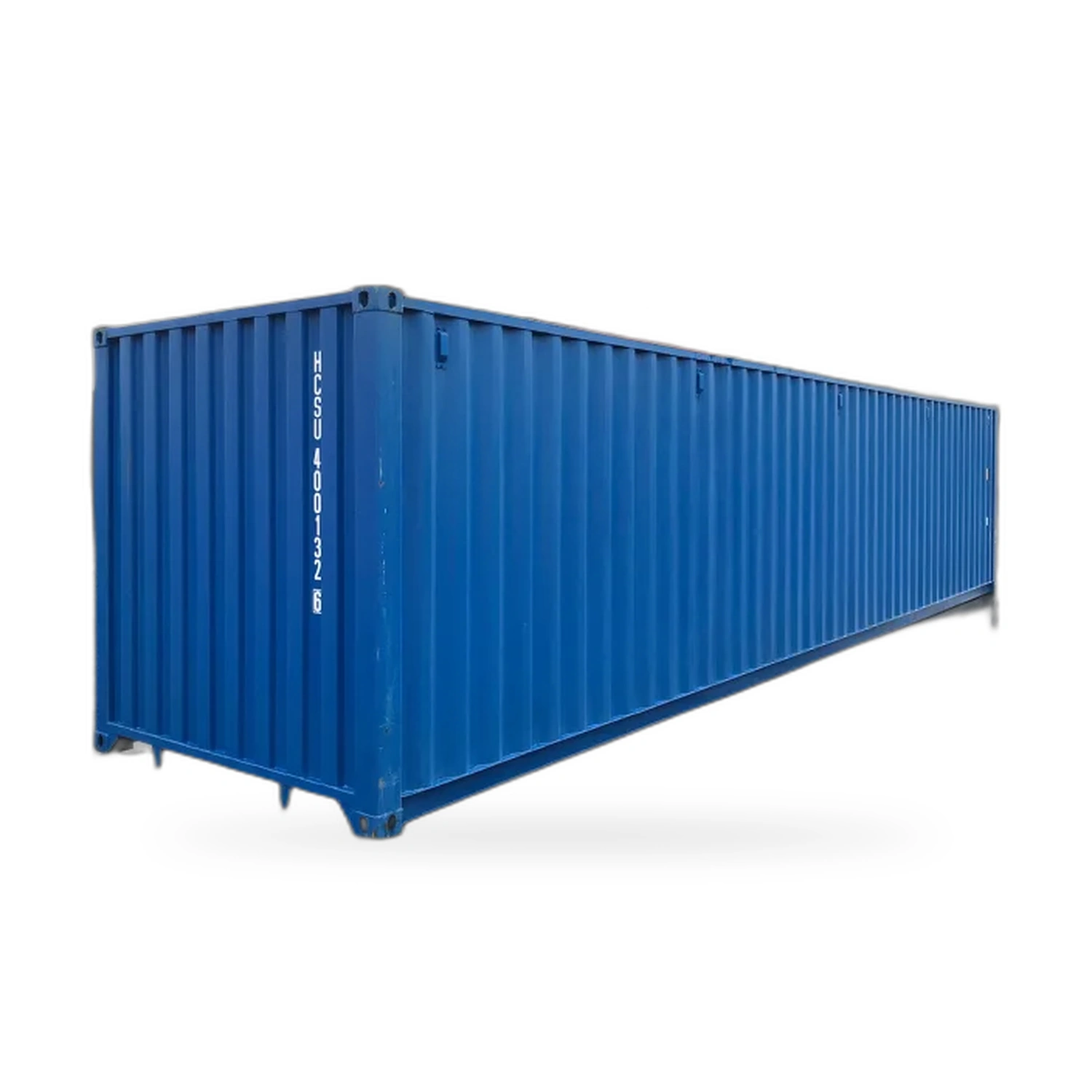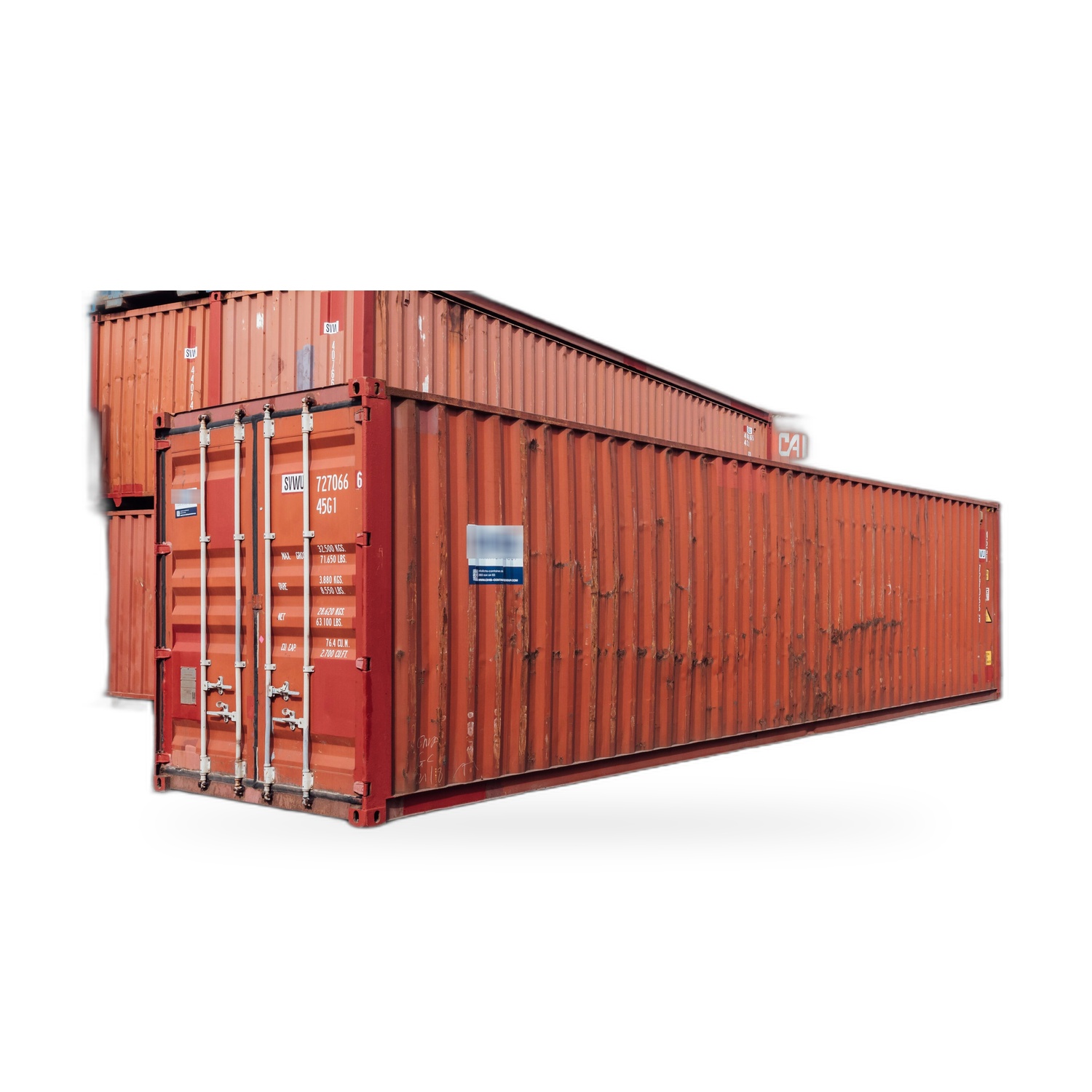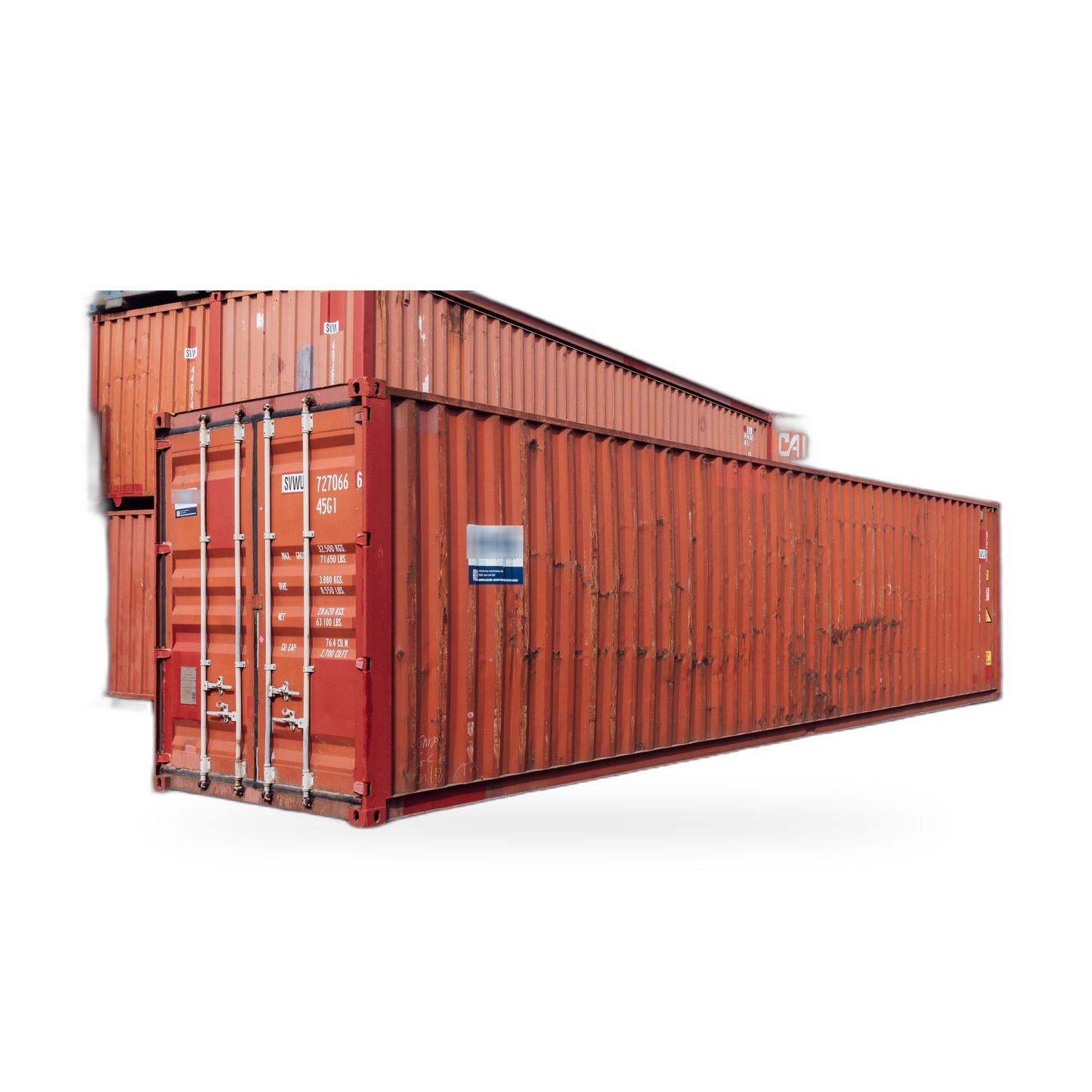
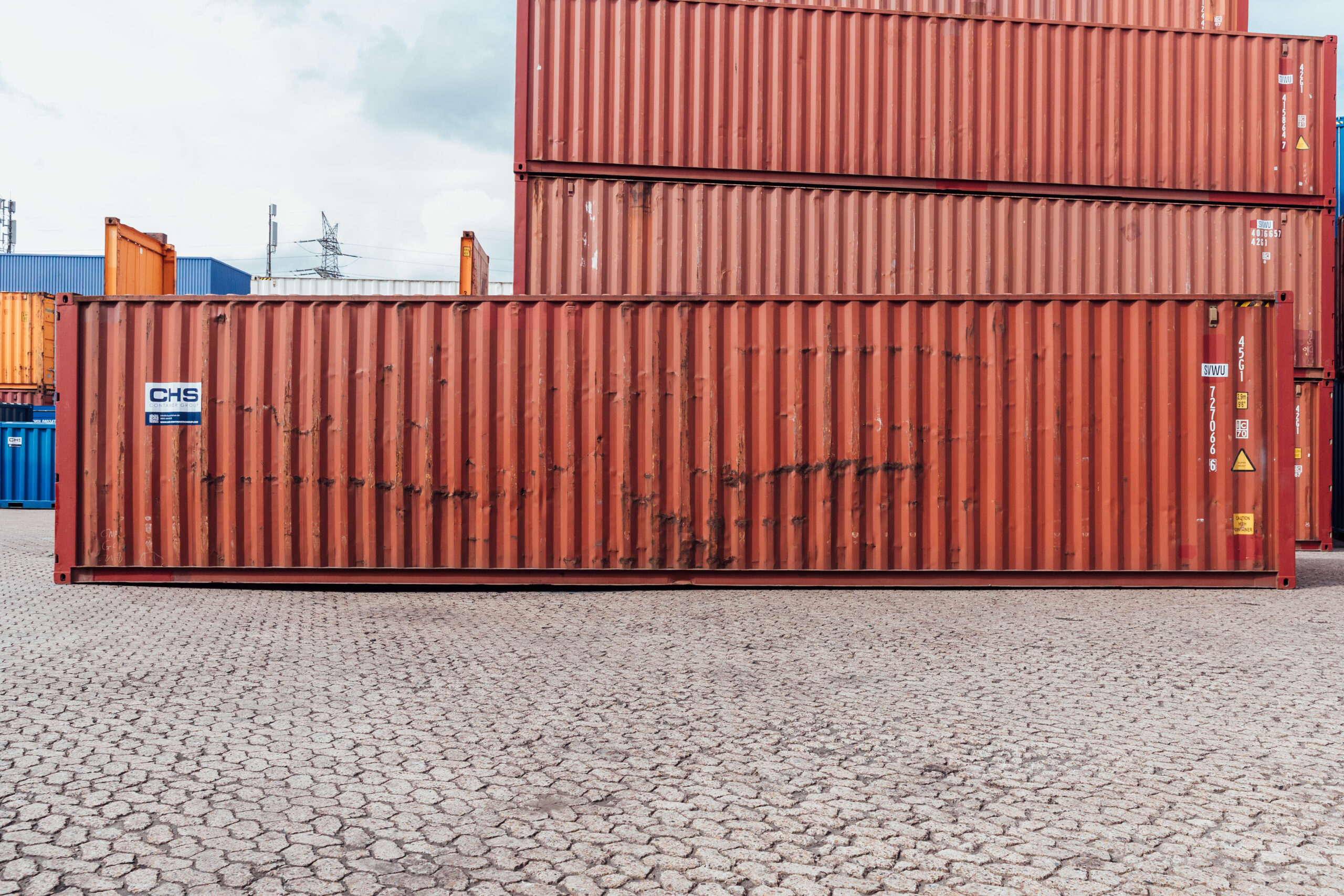
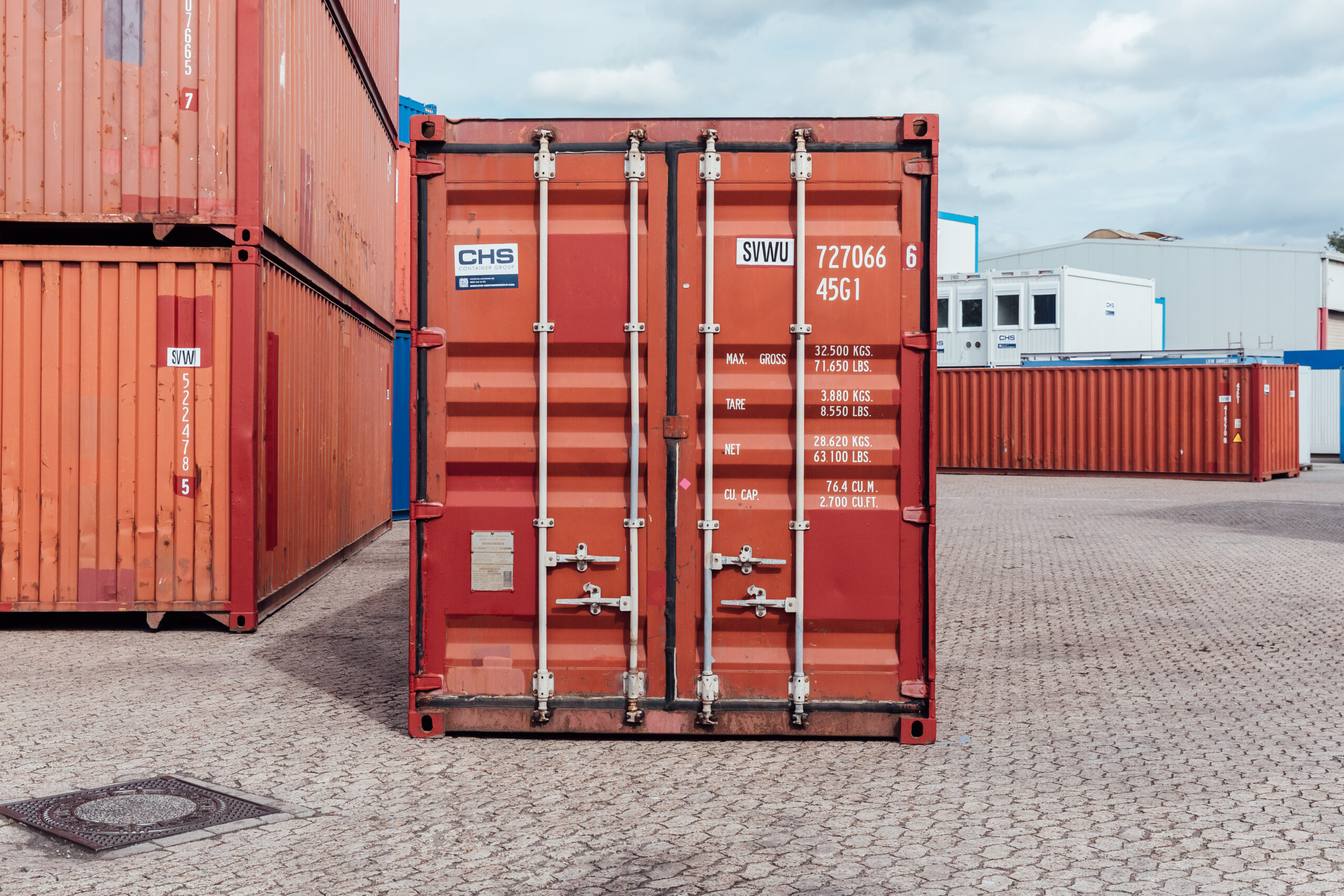
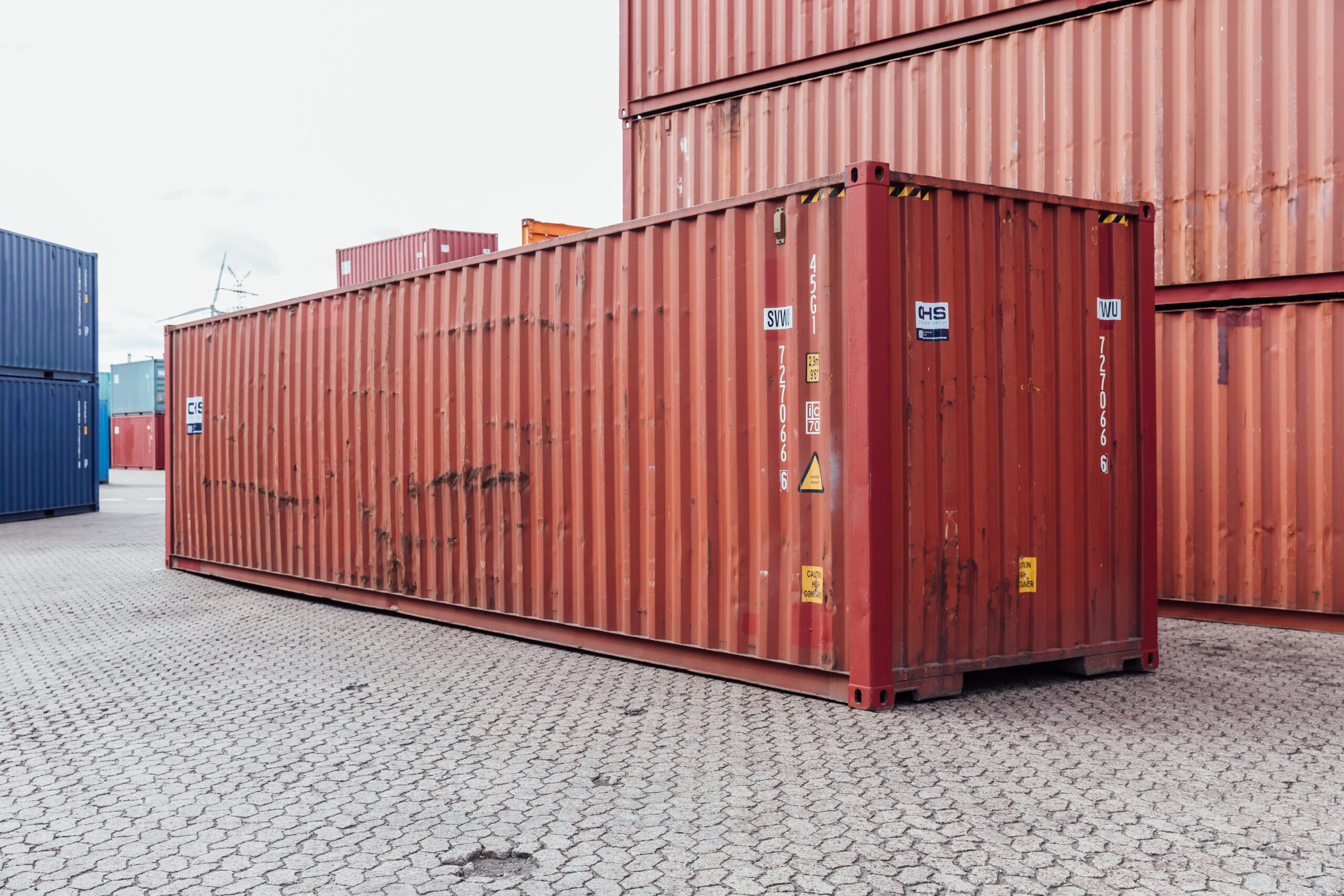
inkl. MwSt., zzgl. Versand · netto 2.350,00 €
Technische Daten
12.192m x 2.438m x 2.896m
3,800 kg
26,680 kg
76.3 m³
Ausstattung
- ✓ Corten-Stahl-Konstruktion
- ✓ Wind- und wasserdicht
- ✓ ISO 668 konform
- ✓ Gabelstaplertaschen
- ✓ CSC-zertifiziert
- ✓ Abschließbare Frachttüren
Online bestellen
2.796,50 € inkl. MwSt. · Versand 892,50 € inkl. MwSt. (Sidelifter)
Zahlung per Überweisung (Bankverbindung sofort nach der Bestellung) oder per Karte / Wallet über Stripe. Bis zu 8 Einheiten sofort bestellbar, größere Mengen auf Anfrage.
Technische Daten im Detail
| Abmessungen | |
|---|---|
| Abmessungen (L x B x H) | 12.192m x 2.438m x 2.896m |
Ähnliche Container
Beliebte Umbauten
Mehr Volumen bei identischer Stellfläche
Wer einen 40ft High Cube Container gebraucht kauft, bekommt exakt dieselbe Grundfläche wie beim üblichen Vierzigfußcontainer, nämlich 12,192 m Länge und 2,438 m Breite, aber eine Außenhöhe von 2,896 m statt 2,591 m. Rund 30 cm Überhöhe klingen auf dem Papier nach einer Nebensächlichkeit. Im Betrieb sind sie häufig genau die Größe, an der eine Planung scheitert oder gelingt. Sie entscheiden darüber, ob eine voll gestapelte Palette unter dem Dach durchgeht, ob eine Zwischenebene eingezogen werden kann, ohne dass darunter jemand gebückt arbeiten muss, und ob nach Dämmung, Verkleidung und Deckenaufbau noch ein Raum übrig bleibt, in dem man aufrecht steht. Das erfasste Volumen sagt dasselbe in anderer Währung: 76,3 m³ gegenüber 67,7 m³ beim Standardcontainer, also rund 8,6 m³ mehr Rauminhalt bei gleichem Umriss und gleicher Lage der Eckbeschläge.
Technische Daten im Vergleich
| Angabe | 40ft High Cube | 40ft Standard |
|---|---|---|
| Außenlänge | 12,192 m | 12,192 m |
| Außenbreite | 2,438 m | 2,438 m |
| Außenhöhe | 2,896 m | 2,591 m |
| Leergewicht (Tara) | 3.800 kg | 3.750 kg |
| Nutzlast | 26.680 kg | 26.730 kg |
| Volumen | 76,3 m³ | 67,7 m³ |
Aus dieser Tabelle folgen zwei Dinge. Erstens ergeben Tara und Nutzlast in beiden Spalten zusammen 30.480 kg. Die Überhöhe wird also in Stahl bezahlt, nicht in Tragfähigkeit: 50 kg mehr Leergewicht bedeuten 50 kg weniger Nutzlast. Bei Stückgut fällt das praktisch nie ins Gewicht, weil ein Vierzigfußcontainer regelmäßig am Volumen und nicht an der zulässigen Masse an seine Grenze kommt. Zweitens sind für diese Einheit keine Innenmaße erfasst, deshalb werden hier auch keine genannt. Wenn Ihre Planung von der lichten Höhe unter den Dachträgern oder von der Türöffnung abhängt, lassen Sie sich diese Maße am konkret angebotenen Container nennen und bei knappen Verhältnissen mit dem Bandmaß am Objekt nachmessen, statt sie einem Datenblatt zu entnehmen.
Wohin die zusätzlichen Zentimeter gehen
Regale und Palettenstapel
Lagerplanung ist Rechnen in der Senkrechten. Im Standardcontainer reicht es oft für eine Palette und eine halbherzige zweite Lage, die dann in der Praxis nicht sicher gestapelt werden kann. Die Überhöhe verwandelt diese Rechnung häufig in eine saubere zweite Lage mit echtem Spiel zum Dach. Genau dieses Spiel wird unterschätzt: Ein Gabelstapler braucht Restanhub, um die letzten Zentimeter zu heben, zu neigen und die Zinken wieder frei zu ziehen. Wer bis unter das Dach stapeln will, sollte die Bauhöhe des eingefahrenen Hubmasts genau des Staplers prüfen, der später tatsächlich eingesetzt wird.
Für Regale gilt dasselbe. Palettenregale, Weitspannregale und einfache Holzböden werden in festen Rastermaßen gebaut. Dreißig Zentimeter entsprechen in leichten Fachbodenregalen oft genau einer weiteren Ebene, aus drei Ebenen an jeder Längswand werden also vier. Da sich Länge und Breite nicht ändern, ist diese Ebene reiner Gewinn: gleiche Anlieferung, gleiche Stellfläche im Hofplan, deutlich mehr Zugriffsfläche.
Zwischenebenen und Galerien
Eine Teilebene über einen Abschnitt der Länge ist ein häufiger Ausbau: unten Regal oder Werkstatt, oben Werkbank, Büroecke oder Langzeitlager. Im Standardcontainer scheitert die Idee meist an der Rechnung, weil nach Trägerhöhe, Balkenlage und Bodenaufbau weder unten noch oben genug bleibt. Der High Cube löst das Problem nicht von selbst, verschiebt die Zahlen aber in einen Bereich, in dem eine niedrige Ebene für sitzende Tätigkeiten oder ruhende Bestände sinnvoll wird. Jede tragende Einbaute sollte am konkreten Container geplant werden, da Zustand von Boden, Dach und Seitenwand mitbestimmen, was angehängt oder verschraubt werden darf.
Maschinen, Anlagenteile und sperrige Einzellasten
Hohe Einzelstücke sind der zweite klassische Fall. Pumpenaggregate auf Rahmen, Kompressoren im Gehäuse, Behälter, Misch- und Fördertechnik, Glaskisten, palettierte Fenster und Profilgestelle liegen oft nur wenige Zentimeter über dem Maß eines Standardcontainers. Wichtig ist dabei: Beim Beladen ist nicht das Dach die Grenze, sondern die Türöffnung. Beladen wird durch die Tür, und die Türöffnung ist stets niedriger als die Innenhöhe, weil Türquerträger und Obergurt darüber liegen. Wer mit dem Stapler einfährt, hebt die Ladung zusätzlich auf Zinkenhöhe an. Bei knappen Maßen ist ein flacher Transportroller, ein Schwerlastfahrwerk oder eine Rollenbahn die bessere Lösung als der Stapler.
Ausbau, Dämmung und Technik
Sobald im Inneren gebaut wird, verschwindet Höhe schnell. Ein üblicher Ausbau verliert einen Teil an den aufgebauten Boden, einen Teil an Konterlattung und Dämmung an der Decke, einen Teil an die Deckenplatte und noch einmal etwas an Leuchten, Kabeltrassen oder einen Lüftungskanal unter dem Dach. Jede Position ist für sich klein, zusammen drücken sie die nutzbare Stehhöhe eines Standardcontainers unter das, was in einer Werkstatt, einem Trockenraum oder einem Lager mit ständig anwesendem Personal angenehm ist. Ein High Cube gibt dem Ausbau den nötigen Spielraum und lässt außerdem mehr Freiheit bei der Leitungsführung, weil Kanäle über die Decke laufen können statt an der Seitenwand, wo sie dem Regal im Weg sind.
Typische Einsatzbereiche
In der Praxis übernimmt ein High Cube meist eine von vier Rollen. Erstens das Hoflager für Material, das trocken und verschlossen stehen muss, von Verpackung über Ersatzteile bis zu saisonalen Beständen. Zweitens die Werkstatt oder den Technikraum, wo die Überhöhe nach dem Innenausbau über den Unterschied zwischen einem Raum und einer Kriechhöhe entscheidet. Drittens das Baustellenlager, weil die Einheit verschlossen, versetzbar und ohne Fundament aufstellbar ist. Viertens die Basis für Umbauten wie Kabinen, Verkaufseinheiten oder Technikcontainer, bei denen Höhe für Dämmung, Leitungen und Lüftung gebraucht wird. Für jede Rolle gelten andere Prüfpunkte: Beim reinen Lager stehen Dichtigkeit und Verschluss im Vordergrund, bei der Werkstatt Bodenzustand und Belüftung, beim Umbau die Beschaffenheit der Wandbleche. Wer vorab festlegt, welche Aufgabe die Einheit übernehmen soll, kann die Besichtigung gezielt darauf ausrichten und spart sich Nacharbeit.
Warum ein 40ft High Cube Container gebraucht oft die richtige Wahl ist
Der Gebrauchtkauf tauscht Optik gegen Preis. Ein Container am Ende seines Seelebens ist in der Regel konstruktiv in Ordnung und weiterhin wind- und wasserdicht, zeigt aber Flugrost, Reparaturbleche, alte Reedereilackierung, Beulen in den Seitenwänden und einen Boden mit Spuren jahrelangen Staplerverkehrs. Für reine Lagernutzung ist das ohne Belang. Relevant wird es beim Ausbau, denn eine stark angegriffene Wand ist ein schlechter Untergrund für Dämmung und Verkleidung, und wer eine Öffnung einschneiden will, muss den Korrosionsschaden zuerst beseitigen.
Worauf bei der Besichtigung zu achten ist
- Dach: von oben betrachten. Stehendes Wasser, tiefe Beulen und geflickte Löcher sind die häufigste Ursache späterer Undichtigkeiten und nach der Aufstellung kaum noch prüfbar.
- Boden: als Ausstattung ist ein schwerlastfähiger Boden genannt. Auf Delamination, weiche Stellen, hochstehende Schrauben, Öleintrag und früher getauschte Felder achten.
- Türen: Scharniere, Verschlussstangen, Halter und Dichtungen prüfen, beide Flügel vollständig öffnen und schließen. Eine Mehrpunktverriegelung wirkt nur, wenn die Stangen noch fluchten.
- Eckbeschläge: verstärkte Eckbeschläge sind als Merkmal gelistet. Alle acht auf Verformung und unsaubere Schweißungen prüfen, wenn der Container später gehoben oder gestapelt wird.
- Korrosion: Flugrost von Durchrostung unterscheiden. Untergurte und Türschwelle abklopfen, dort steht Feuchtigkeit am längsten.
- Papiere: nachfragen, welche Unterlagen mitgeliefert werden, unter anderem ein CSC-Schild. Es dokumentiert die Zulassung für den internationalen Verkehr und verlangt wiederkehrende Prüfungen, was nur zählt, wenn der Container erneut verschifft werden soll.
Corten-Stahl und die genannten Baumerkmale
Genannt sind Corten-Stahl, Bauweise nach ISO 668, wind- und wasserdicht, abschließbare Türen und Mehrpunktverriegelung. Corten ist ein wetterfester Baustahl: Die Legierung bildet eine dichte, haftende Deckschicht, die den weiteren Angriff verlangsamt, statt abzublättern. Deshalb kann ein gebrauchter Container rau aussehen und trotzdem intakt sein. Ein Freibrief ist das nicht, denn der Schutz setzt voraus, dass die Oberfläche abtrocknen kann. Container auf feuchtem Grund, dicht an einer Hecke oder unter einer Plane, die Nässe an der Wand hält, rosten schneller. ISO 668 legt Außenmaße und Klassifizierung von Frachtcontainern fest, weshalb ein High Cube dieselbe Grundfläche behält und sich nur in der Höhe unterscheidet.
Gewicht, Untergrund und Stapelbarkeit
Die gesamte Last wird über die vier Eckbeschläge abgetragen. Dadurch konzentriert sich sehr viel Gewicht auf vier kleine Flächen, und der Untergrund unter genau diesen Punkten zählt mehr als die Gesamtfläche. Beton, Bahnschwellen, lastverteilende Platten oder passende Containerfüße halten die Einheit waagerecht und verhindern, dass sich der Rahmen verwindet. Ein verwundener Rahmen ist der übliche Grund dafür, dass Türen, die im Hof problemlos schlossen, am Aufstellort klemmen. Der High Cube reagiert wegen der größeren Höhe etwas empfindlicher auf schiefen Stand und bietet dem Wind eine größere Angriffsfläche.
Wann der Standardcontainer die bessere Antwort ist
Es gibt Fälle, in denen die niedrigere Bauform gewinnt. Muss die Einheit unter ein Vordach, durch eine Hofdurchfahrt mit Höhenbegrenzung, in eine bestehende Halle oder unter eine Freileitung, dann sind diese Grenzen absolut und die 30 cm werden zum Nachteil. Am häufigsten wird die Anlieferung übersehen: Das Fahrzeug bringt eigene Aufbauhöhe mit, und ein Absetzkipper oder Seitenlader braucht deutlich mehr lichte Höhe als der Container selbst. Im Zweifel die Anfahrt vorher abgehen. Wer einen 40ft High Cube Container gebraucht sucht, sollte deshalb zuerst Zufahrt und Aufstellort prüfen und erst danach Preise vergleichen, denn eine Einheit, die nicht an ihren Platz kommt, ist unabhängig vom Preis die falsche. Wo die Höhe kein Hindernis ist, lohnt sich der zusätzliche Rauminhalt fast immer, und genau deshalb ist der High Cube für Lager, Werkstatt und Ausbau längst der Regelfall und keine Sonderbauform mehr.
Häufig gestellte Fragen
Wie viel höher ist ein 40ft High Cube Container gebraucht als ein Standardcontainer?
Die erfasste Außenhöhe beträgt 2,896 m gegenüber 2,591 m beim Standardcontainer, also rund 30 cm mehr. Länge und Breite bleiben mit 12,192 m und 2,438 m identisch, die Stellfläche im Hof und der Umriss auf der Straße ändern sich nicht. Das Volumen steigt von 67,7 auf 76,3 Kubikmeter.
Verringert die Überhöhe die Nutzlast?
Nur geringfügig. Das Leergewicht liegt bei 3.800 kg, die Nutzlast bei 26.680 kg, beim Standardcontainer sind es 3.750 kg und 26.730 kg. Beide Summen ergeben 30.480 kg. Sie geben also 50 kg Nutzlast für 8,6 Kubikmeter zusätzlichen Rauminhalt auf, was nur bei sehr dichter Ladung eine Rolle spielt.
Welche Innenmaße hat der Container?
Für diese Einheit sind keine Innenmaße erfasst, deshalb werden hier auch keine angegeben. Innenmaße schwanken je nach Hersteller und je nach eingebauter Verkleidung. Wenn Ladung oder Ausbau von der lichten Höhe, der lichten Breite oder der Türöffnung abhängen, lassen Sie diese Maße vor der Bestellung am konkreten Container nachmessen.
Wofür eignet sich ein gebrauchter High Cube besonders?
Vor allem für Lagerung mit Regalen, für hohe Einzellasten wie Maschinen und Anlagenteile sowie für Ausbauten, bei denen Bodenaufbau, Dämmung und Deckenverkleidung Höhe kosten. Die zusätzlichen Zentimeter erlauben häufig eine weitere Regalebene oder eine angenehme Stehhöhe nach dem Innenausbau, ohne dass mehr Stellfläche benötigt wird.
Welche Vorbereitung braucht der Aufstellort?
Die gesamte Last läuft über die vier Eckbeschläge. Entscheidend ist deshalb der Untergrund unter diesen vier Punkten, nicht die Gesamtfläche. Betonplatten, Bahnschwellen, lastverteilende Unterlagen oder Containerfüße halten den Rahmen waagerecht. Verwindet sich der Rahmen, schließen die Türen nicht mehr sauber, was nach der Anlieferung die häufigste Beanstandung ist.
Passende Container & Ausstattungsoptionen
Ähnliche Produkte