inkl. MwSt., zzgl. Versand · netto 1.049,00 €
Technische Daten
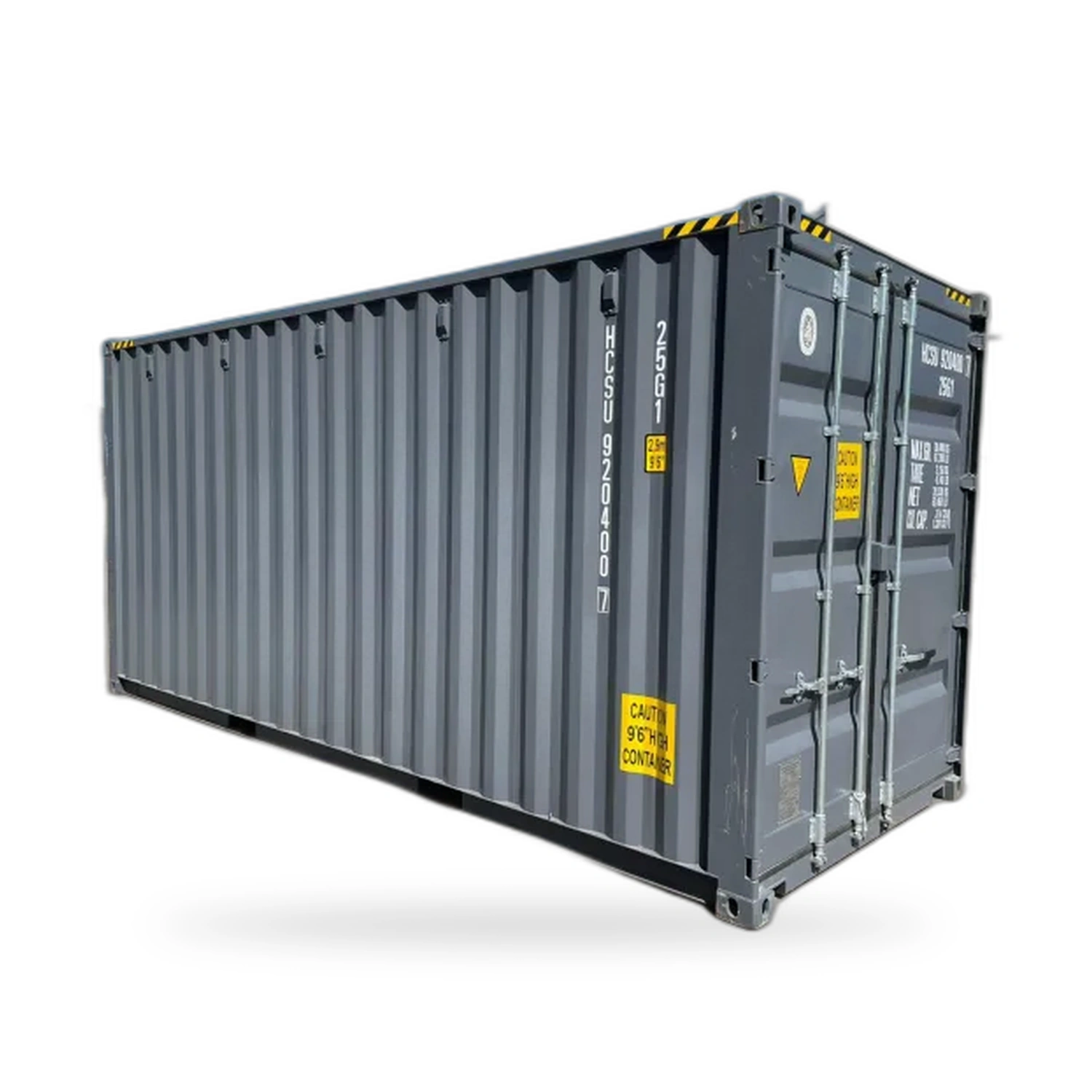
6.058m x 2.438m x 2.591m
2,150 kg
28,350 kg
33.2 m³
Online bestellen
1.248,31 € inkl. MwSt. · Versand 702,10 € inkl. MwSt. (Kranwagen)
Zahlung per Überweisung (Bankverbindung sofort nach der Bestellung) oder per Karte / Wallet über Stripe. Bis zu 10 Einheiten sofort bestellbar, größere Mengen auf Anfrage.
Technische Daten im Detail
| Abmessungen | |
|---|---|
| Abmessungen (L x B x H) | 6.058m x 2.438m x 2.591m |
Ähnliche Container
Beliebte Umbauten
Was Sie bekommen, wenn Sie einen 20ft Standardcontainer gebraucht kaufen
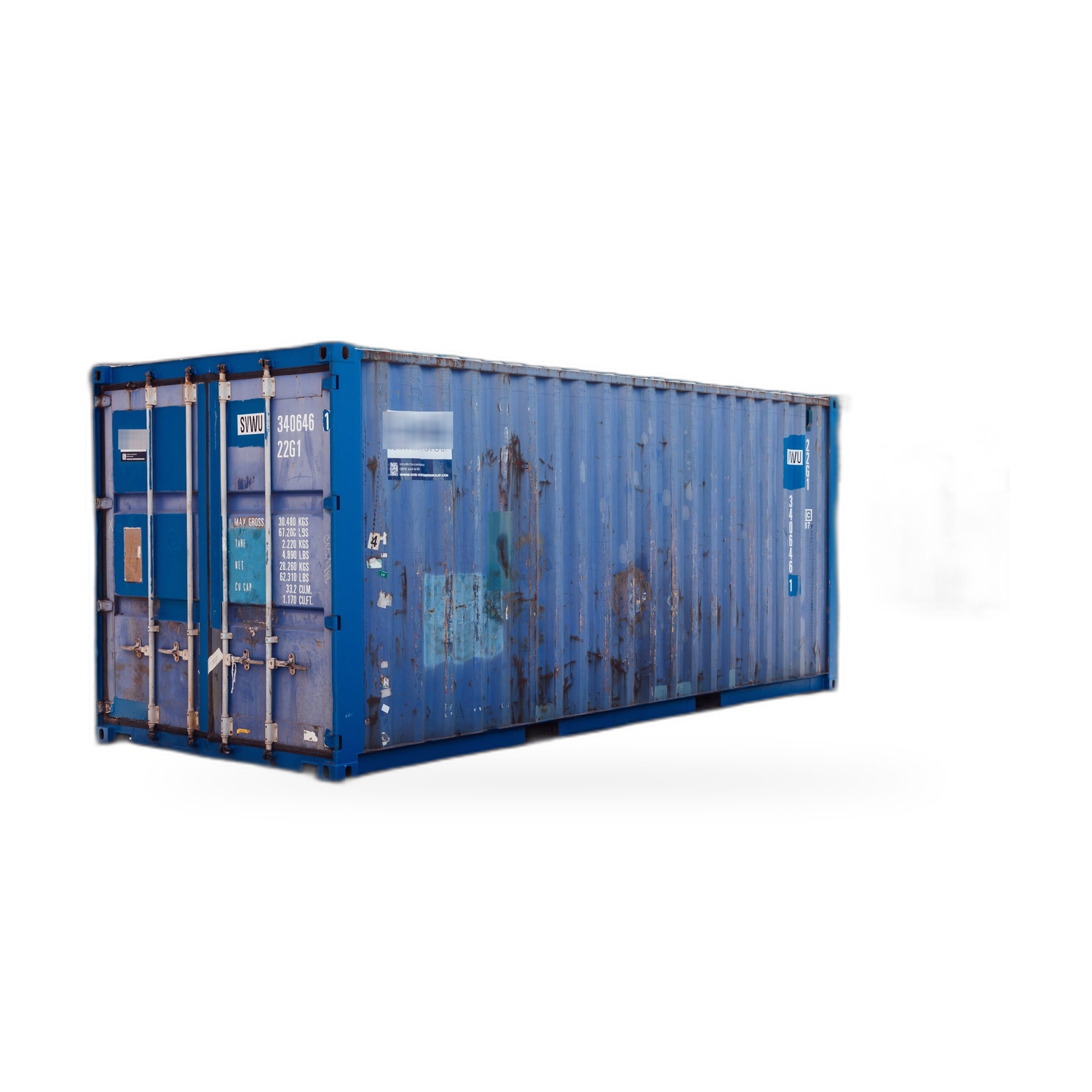
Wer einen 20ft Standardcontainer gebraucht kauft, bezahlt vor allem für Stahl mit Vorgeschichte. Die Box hat Ladung über die Weltmeere gebracht, stand in Stapeln auf Terminals, wurde vom Spreader gehoben und auf Chassis gesetzt. Kratzer, Beulen und Farbschichten gehören dazu. Genau deshalb ist der Preis attraktiv, und genau deshalb entscheidet nicht der Preis über einen guten Kauf, sondern der Zustand. Zwei Container mit identischen Außenmaßen können sich in ihrer Restlebensdauer erheblich unterscheiden.
Diese Seite ist entlang dieser Frage aufgebaut. Die Maße und Gewichte unten sind durch die Bauweise festgelegt und ändern sich nicht mit dem Alter. Fast alles andere schon. Es geht im Folgenden um die Zustandsklassen im Handel, um die Prüfpunkte bei der Besichtigung, um die Unterscheidung zwischen kosmetischen und tragenden Schäden und um die Papiere, die zum Container gehören.
Geprüfte Außenmaße und Gewichte
| Angabe | Wert |
|---|---|
| Außenlänge | 6,058 m |
| Außenbreite | 2,438 m |
| Außenhöhe | 2,591 m |
| Leergewicht (Tara) | 2.150 kg |
| Nutzlast | 28.350 kg |
| Innenvolumen | 33,2 m³ |
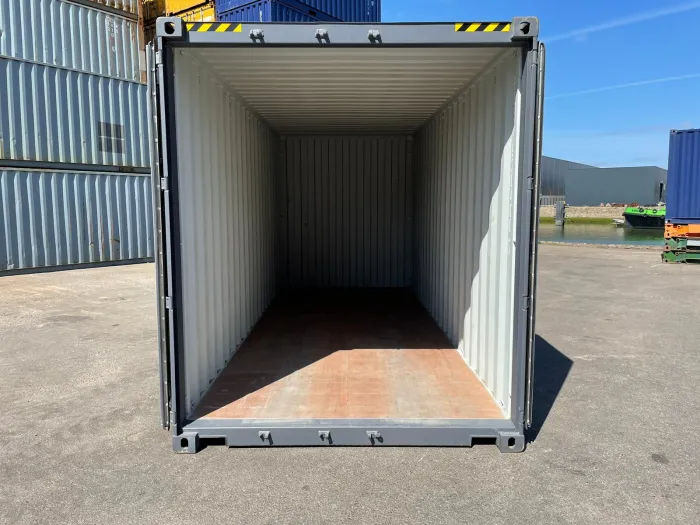
Für diese Einheit sind keine Innenmaße hinterlegt. Wenn Sie ein Regalsystem planen, eine Maschine einbringen oder einen Umbau vorbereiten, bei dem wenige Zentimeter entscheiden, lassen Sie die Innenmaße am konkret angebotenen Container messen. Sickentiefe, Bodenaufbau und frühere Reparaturen wirken sich auf das lichte Innenmaß aus, und bei gebrauchten Einheiten ist das nicht bei jedem Stück gleich.
Zustandsklassen und was die Begriffe wirklich bedeuten
Es gibt keine allgemein verbindliche gesetzliche Zustandsklassifizierung für gebrauchte Boxen. Umso wichtiger sind die Formulierungen im Angebot. Diese Begriffe begegnen Ihnen im deutschen Handel am häufigsten.
- Cargo worthy oder seetüchtig: Die Einheit gilt als wieder beladbar und verschiffbar. Struktur, Boden und Türbeschläge sind in Ordnung, die Box würde eine Begutachtung bestehen.
- Wind- und wasserdicht: Die Box hält Wetter draußen und eignet sich als stationärer Lagercontainer, wird aber nicht als seetüchtig angeboten. Beulen, Flickstellen und Flugrost sind in dieser Klasse normal.
- Gekauft wie gesehen: Der Verkäufer beschreibt den Ist-Zustand ohne Zusage zu Dichtigkeit, Türen oder Boden. Das ist nur sinnvoll, wenn Sie die konkrete Box selbst besichtigt haben.
- Aufgearbeitet oder neu lackiert: Die Box wurde gereinigt, entrostet und beschichtet. Frische Farbe verdeckt Geschichte. Schauen Sie dann besonders genau auf Nähte, Flickstellen und die Unterseite.
Fragen Sie, welche Klasse für die konkret angebotene Einheit gilt, und bitten Sie um Fotos genau dieser Box statt um Symbolbilder. Ein Angebot, das eine Klasse benennt und die reale Einheit zeigt, ist deutlich mehr wert als eines, in dem nur gebraucht steht.
Dach, Längsträger und Eckbeschläge prüfen
Beginnen Sie oben. Das Dach schaut sich kaum jemand an, und es versagt zuerst. Die Dachbleche sind dünner als die Seitenwände und bekommen stehendes Wasser, heruntergefallenes Werkzeug und unachtsame Handhabung ab. Schauen Sie flach über die Fläche, damit das Licht streift. Pfützenbeulen sind normal. Kritisch sind Risse in der Falte, Durchrostungen und alte Schweißflicken, die sich an der Kante bereits abheben.
Danach die oberen und unteren Längsträger. Sie tragen einen erheblichen Teil der Lasten beim Heben und Stapeln. Ein verbogener oberer Längsträger deutet auf einen Anstoß durch Spreader oder Gabelstapler hin und kann dazu führen, dass die Türseite nicht mehr im Winkel steht. Peilen Sie an jedem Träger entlang; eine Durchbiegung fällt sofort auf.
Die vier Eckpfosten und die acht Eckbeschläge sind das Skelett. Die Beschläge müssen unbeschädigt sein, ohne Risse an den Langlöchern und ohne gestauchte Oberseite. Ein beschädigter Eckbeschlag bedeutet, dass an dieser Ecke nicht sicher angeschlagen werden kann. Solche Reparaturen sind Fachbetriebsarbeit.
Türen, Dichtungen und Verschlussstangen
Öffnen und schließen Sie beide Türflügel vollständig, bevor Sie irgendetwas zusagen. Bei einer rechtwinkligen Box schwingen die Türen ohne Anheben, die Nocken fallen ohne Kraftaufwand in die Halter, und die Griffe liegen flach in den Aufnahmen. Wenn sich jemand gegen die Tür stemmen muss, ist der Rahmen verzogen oder die Bänder sind überlastet.
Prüfen Sie die Gummidichtungen über den gesamten Umfang beider Flügel. Poröse, plattgedrückte oder eingerissene Dichtungen sind die häufigste Ursache dafür, dass ein optisch guter Container Wasser zieht. Dichtungen lassen sich tauschen, das ist also ein Verhandlungspunkt und kein Ausschlussgrund, aber Sie sollten es vorher wissen. Achten Sie außerdem auf ausgeschlagene Bandbolzen und auf verbogene Verschlussstangen im Bereich der unteren Nocke.
Boden und Querträger
Der Boden besteht aus Sperrholz oder Bambuslaminat auf stählernen Querträgern. Gehen Sie die volle Länge ab. Federt der Boden, gibt es dunkle Verfärbungen oder biegt sich eine Platte spürbar durch, hat dort Wasser gestanden. Ein weicher Boden trägt weder Hubwagen noch punktuell schwere Lasten. Achten Sie auf sich lösende Plattenränder und auf fehlende oder herausgearbeitete Bodenschrauben.
Schauen Sie anschließend unter die Box oder wenigstens von beiden Seiten auf die äußeren Querträger. Korrosion an den Querträgern ist der Schaden, der aus einem günstigen Container einen teuren macht: verdeckt, tragend und nach dem Aufstellen kaum noch zugänglich. Leichter Flugrost unten ist normal. Blätternde Schichten, Löcher oder ein Träger, in den ein Schraubendreher eindringt, sind es nicht.
Rost richtig einschätzen
Corten-Stahl bildet bewusst eine festhaftende Oxidschicht, die den weiteren Abtrag verlangsamt. Deshalb kann ein Container rostig aussehen und trotzdem tragfähig sein. Entscheidend ist die Unterscheidung zwischen Oberflächenrost, der sich bürsten und beschichten lässt, und schichtbildendem oder durchgehendem Rost, der Querschnitt gefressen hat. Klopfen Sie verdächtige Stellen ab. Gesunder Stahl klingt hell, zerfressener klingt dumpf.
Flickstellen sind bei gebrauchten Boxen normal und in guter Ausführung unproblematisch. Gewünscht ist ein umlaufend verschweißtes und anschließend beschichtetes Blech, nicht ein punktuell geheftetes Blech über nie entferntem Rost. Laufspuren an der Flickkante deuten darauf hin, dass Wasser dahinter wandert.
Der Lichttest im geschlossenen Container
Das beste Prüfmittel kostet nichts. Stellen Sie sich hinein, ziehen Sie beide Türen zu und warten Sie, bis sich die Augen angepasst haben. Jedes Nadelloch im Dach, jede offene Naht und jeder Spalt an der Dichtung zeigt sich als Lichtpunkt oder Lichtlinie. Machen Sie das bei hellem Tageslicht, zuerst am Dachrand, dann am Türumfang, dann in den Ecken der Stirnwand. Danach lassen Sie Dach und Türen abspritzen und beobachten von innen, ob es tropft.
CSC-Plakette, Containernummer und Unterlagen
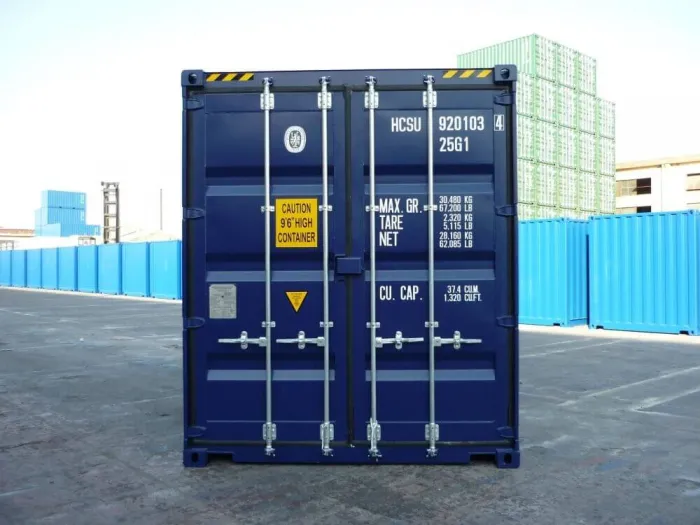
Container für den internationalen Verkehr tragen eine CSC-Sicherheitsplakette, meist auf dem linken Türflügel. Sie nennt die Zulassungsnummer, die zertifizierten Werte für Bruttomasse und Stapelung sowie den Prüfstatus. Für einen rein stationären Lagercontainer ist die Plakette vor allem eine Information. Wenn die Box verschifft oder regelmäßig gehoben werden soll, ist der Prüfstatus das, wonach Spedition oder Terminal fragen. Achten Sie darauf, dass die Plakette vorhanden und lesbar und nicht überlackiert ist.
Lassen Sie sich außerdem die Containernummer nennen und bestätigen, dass die Einheit frei von Leasing- oder Rückgabeverpflichtungen verkauft wird. Nummer ablesen und mit den Papieren abgleichen dauert Sekunden.
Nutzlast, Tara und der Untergrund
Das Leergewicht von 2.150 kg ist die Zahl, die Kran, Ladekran oder Schwerlaststapler braucht. Die Nutzlast von 28.350 kg beschreibt die Ladungsmasse, für die die Struktur ausgelegt ist. Auf einem privaten Gelände ist diese Zahl selten die begrenzende Größe, sondern der Untergrund. Die gesamte Last wird über vier Eckbeschläge eingeleitet, also punktuell und nicht flächig. Weicher Boden oder eine dünne Platte lassen eine Ecke absacken.
Das Volumen von 33,2 m³ ist die praktische Planungsgröße für die Lagerung. Nutzbar ist davon in der Praxis weniger, sobald Sie Gänge, Palettenraster und die im Vergleich zur Innenbreite schmalere Türöffnung berücksichtigen.
Anlieferung, Zufahrt und Aufstellung
Die Grundfläche von 6,058 m mal 2,438 m ist nur ein Teil der Zufahrtsfrage. Ein Seitenlader oder Absetzkipper braucht Rangier- und Schwenkraum, und das Fahrzeug benötigt lichte Höhe deutlich über den 2,591 m der Box. Messen Sie Tordurchfahrten, Freileitungen und Äste vor dem Liefertag, nicht an dem Tag. Überlegen Sie vorher, in welche Richtung die Türen später zeigen sollen.
Setzen Sie die Box auf feste, waagerechte Auflagepunkte an den Ecken, etwa Bahnschwellen, Betonblöcke oder passende Auflager. Nur ein waagerecht stehender Container behält seine Türfunktion über Jahre. Steht die Einheit verwunden, kämpfen Sie bei jedem Öffnen dagegen an.
Kondenswasser und Belüftung nicht vergessen
Ein Stahlcontainer ist nicht gedämmt. Bei Temperaturwechsel schlägt sich Feuchtigkeit an der kalten Innenseite des Dachs nieder und tropft auf die Ladung. Das wird oft für ein Leck gehalten. Halten Sie die werkseitigen Lüftungsöffnungen frei, lagern Sie nichts feucht ein, stellen Sie Ware auf Paletten statt direkt auf den Boden und nutzen Sie bei empfindlichen Gütern Trockenmittel. Wer dauerhaft trockene Verhältnisse braucht, plant eine Dämmung und eine Belüftung von Anfang an mit ein.
Wann sich der Griff zur gebrauchten Einheit lohnt
Für Baustellenlager, Werkzeug- und Maschinensicherung, Archive, Saisonware und allgemeine Hofnutzung leistet eine solide gebrauchte Box dasselbe wie eine neue, zu einem Bruchteil der Investition. Weniger attraktiv ist gebraucht bei hochwertigen Ausbauten, bei Projekten, in denen das Innere verkleidet und damit dauerhaft unzugänglich wird, und dort, wo mehrere Einheiten einheitlich aussehen sollen.
Wenn Sie beide Wege offenhalten wollen, vergleichen Sie einen 20ft Standardcontainer gebraucht mit einer neuen Einheit über die Gesamtkosten inklusive Instandsetzung, nicht über den reinen Anschaffungspreis. Wie die Rechnung ausgeht, hängt davon ab, wie lange Sie die Box behalten und wie sichtbar sie am Ende ist.
Häufig gestellte Fragen
In welchem Zustand ist ein 20ft Standardcontainer gebraucht üblicherweise?
Das hängt von der angebotenen Zustandsklasse ab. Seetüchtige Einheiten sind wieder verschiffbar. Wind- und wasserdichte Einheiten halten Wetter draußen und eignen sich als Lagercontainer, zeigen aber Beulen, Flickstellen und Flugrost. Bei gekauft wie gesehen gibt es keinerlei Zusage. Fragen Sie immer nach der Klasse der konkret angebotenen Box und nach Fotos genau dieser Einheit.
Welche Prüfpunkte sind bei der Besichtigung am wichtigsten?
Schauen Sie flach über das Dach, um Risse und Durchrostungen zu erkennen. Peilen Sie an den Längsträgern entlang. Prüfen Sie alle acht Eckbeschläge auf Risse. Öffnen und schließen Sie beide Türflügel vollständig und kontrollieren Sie die Dichtungen umlaufend. Gehen Sie den Boden ab und achten Sie auf weiche Stellen. Kontrollieren Sie zuletzt die Querträger unter der Box.
Woran erkenne ich, ob der Container dicht ist?
Schließen Sie sich bei Tageslicht im Container ein und warten Sie, bis sich die Augen anpassen. Nadellöcher und offene Nähte zeigen sich als Lichtpunkte, undichte Türen als Lichtlinie entlang der Dichtung. Lassen Sie danach Dach und Türseite abspritzen und beobachten Sie von innen. Kondenswasser an der kalten Dachunterseite ist ein anderes Thema und wird oft für ein Leck gehalten.
Wie viel darf ich einladen?
Das Leergewicht beträgt 2.150 kg, die Nutzlast 28.350 kg. Auf den meisten privaten Flächen ist nicht die Nutzlast der begrenzende Faktor, sondern die Tragfähigkeit des Untergrunds. Die Last wird über vier Eckbeschläge punktuell eingeleitet. Setzen Sie die Box deshalb auf feste, waagerechte Auflager und prüfen Sie, was der Boden darunter aufnehmen kann.
Was muss ich zur Aufstellung vorbereiten?
Prüfen Sie Zufahrt, Tordurchfahrt, Freileitungen und Äste vorab, denn Seitenlader und Absetzkipper brauchen Rangier- und Schwenkraum und lichte Höhe über den 2,591 m der Box. Legen Sie vier feste Auflagepunkte an, etwa Bahnschwellen oder Betonblöcke, und richten Sie die Einheit waagerecht aus. Nur so bleiben die Türen dauerhaft leichtgängig. Überlegen Sie vorher die Türrichtung.
Passende Container & Ausstattungsoptionen
Ähnliche Produkte