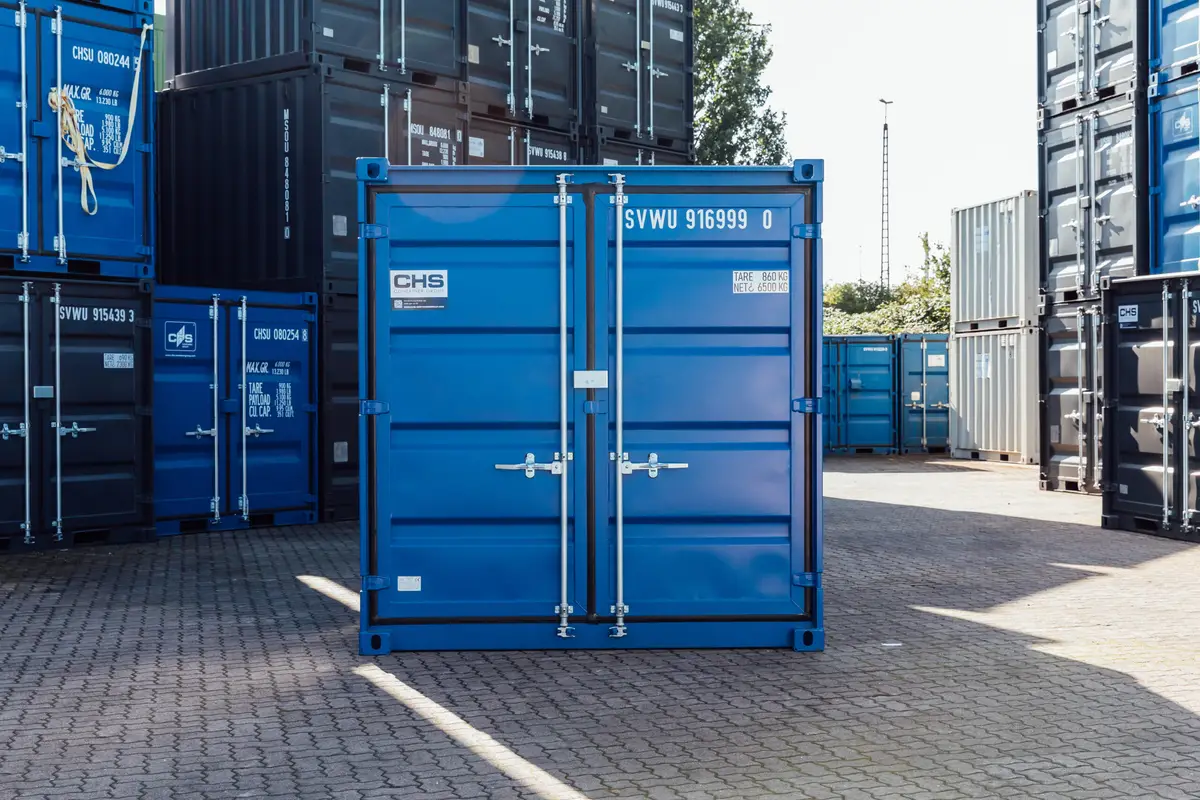
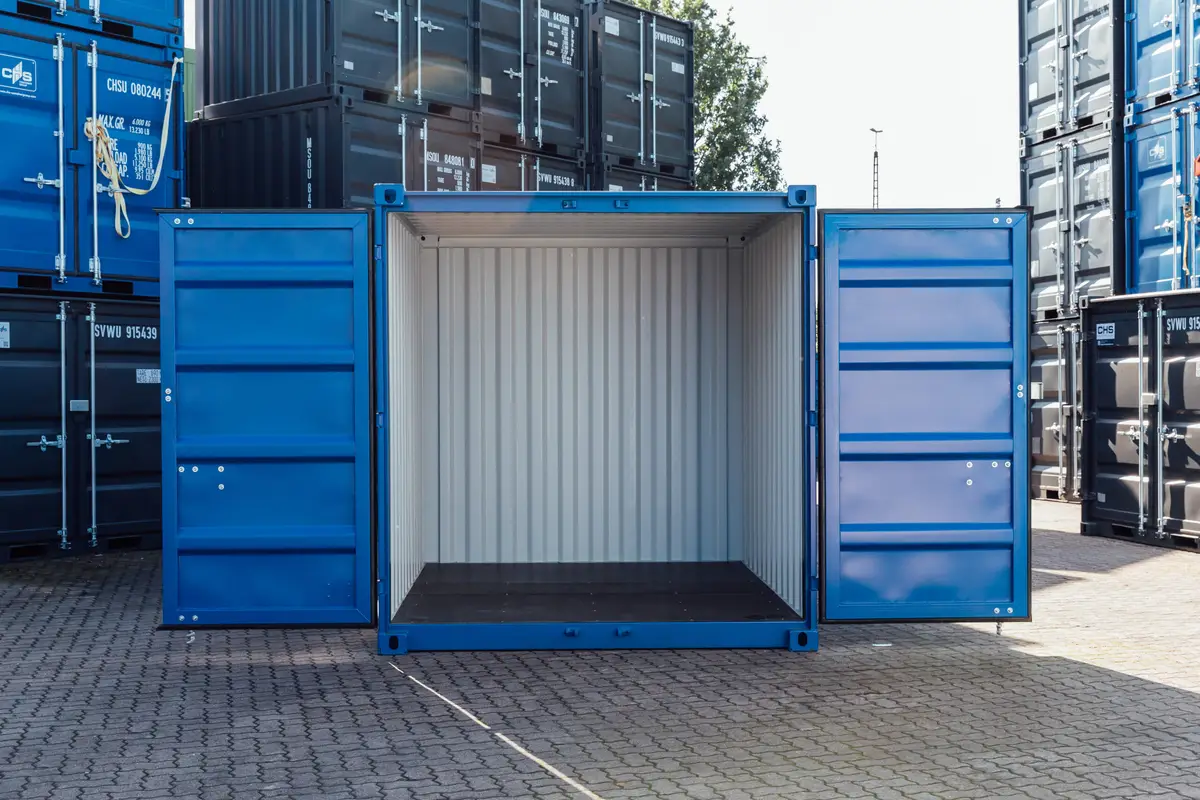
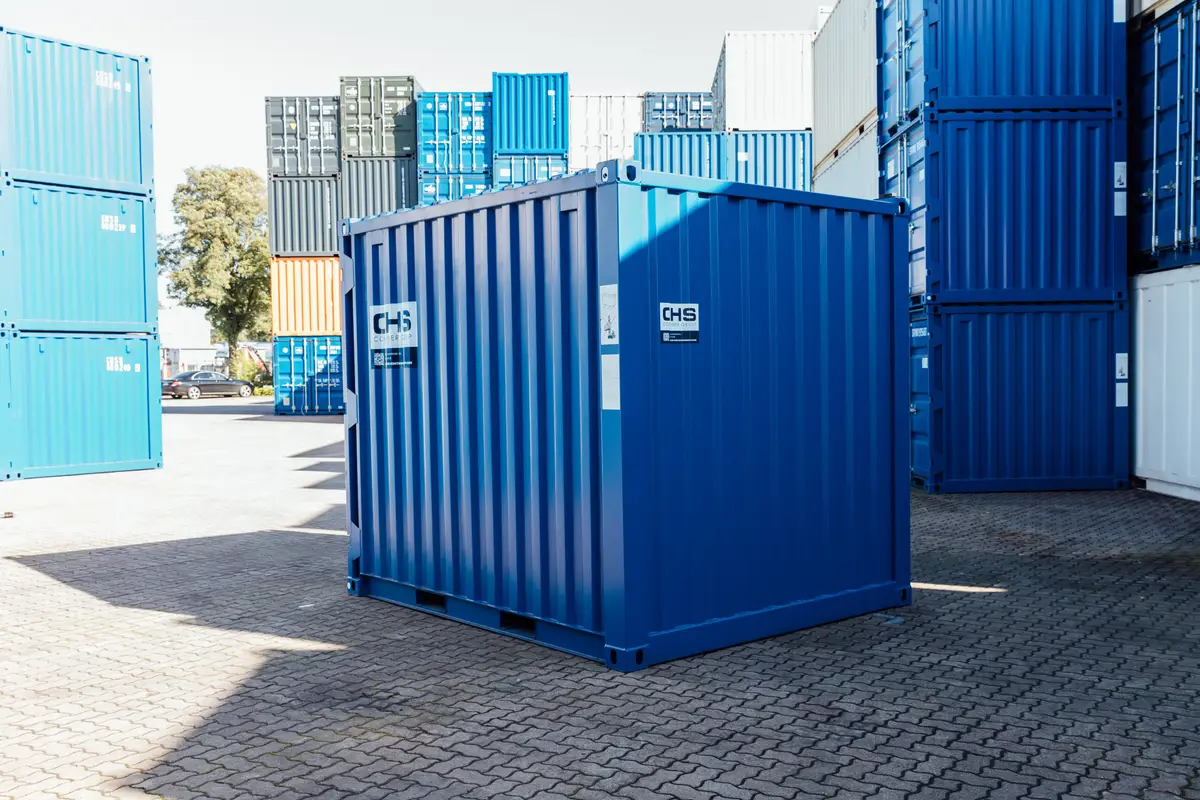
inkl. MwSt., zzgl. Versand · netto 3.099,00 €
Technische Daten
299.11 x 243.79 x 259.11 cm
867 kg
15.9 m³
Online bestellen
3.687,81 € inkl. MwSt. · Versand 702,10 € inkl. MwSt. (Kranwagen)
Zahlung per Überweisung (Bankverbindung sofort nach der Bestellung) oder per Karte / Wallet über Stripe. Bis zu 8 Einheiten sofort bestellbar, größere Mengen auf Anfrage.
Technische Daten im Detail
| Abmessungen | |
|---|---|
| Außenlänge | 299.11 cm |
| Außenbreite | 243.79 cm |
| Außenhöhe | 259.11 cm |
| Innenlänge | 283.11 cm |
| Innenbreite | 235.20 cm |
| Innenhöhe | 238.99 cm |
| Breite | 233.81 cm |
| Höhe | 227.99 cm |
| Gewichte und Kapazität | |
| Bodenfläche innen | 6.66 m² |
| Volumen | 15.90 m³ |
| Nettogewicht | 867 kg |
| Max. Bruttogewicht | 6500 kg |
| Weitere Angaben | |
| Innenbodenfläche | 6.66 m² |
Ähnliche Container
Beliebte Umbauten
Wofür sich ein 10ft Lagercontainer neu wirklich eignet
Die wenigsten suchen von Anfang an einen 10ft Lagercontainer neu. Meist beginnt es mit dem Gedanken an einen 20-Fuß-Container, und dann wird die Toreinfahrt, die Zufahrt oder die freie Ecke im Hof nachgemessen. Der 10-Fuß-Container existiert, weil Grundstücke nicht immer großzügig sind. Er ist die Größe für den Fall, dass nicht der Lagerbedarf begrenzt ist, sondern der Platz und die Frage, wie das Lieferfahrzeug überhaupt an die gewünschte Stelle kommt.
Diese Seite dreht sich deshalb ebenso um Logistik wie um Stahl. Die Maße stehen unten. Entscheidend für einen gelungenen Kauf sind aber Durchfahrtsbreite, Schwenkradien, lichte Höhe, Tragfähigkeit des Untergrunds und die Frage, wohin die Türen am Ende zeigen. Stimmt das, ist eine kleine Box auf einem engen Grundstück außerordentlich nützlich. Stimmt es nicht, haben Sie eine Anlieferung bezahlt, die nicht durchführbar ist.
Geprüfte Maße und Gewichte
| Angabe | Wert |
|---|---|
| Innenlänge | 283,11 cm |
| Innenbreite | 235,20 cm |
| Innenhöhe | 238,99 cm |
| Außenlänge | 299,11 cm |
| Außenbreite | 243,79 cm |
| Außenhöhe | 259,11 cm |
| Türöffnung Breite | 233,81 cm |
| Türöffnung Höhe | 227,99 cm |
| Ladefläche innen | 6,66 m² |
| Volumen | 15,90 m³ |
| Max. Bruttogewicht | 6.500 kg |
| Leergewicht (Tara) | 867 kg |
Eine Stellfläche, die fast überall passt
Die Außenmaße betragen 299,11 cm mal 243,79 cm, also knapp drei Meter mal knapp zweieinhalb Meter. Das passt an die Hauswand, quer an das Ende eines Stellplatzes, in die Ecke eines kleinen Bauhofs, in eine Lagerhalle oder neben eine Werkstatt, wo ein längerer Container den Rettungsweg blockieren würde.
Unterschätzt wird meist die Höhe. Mit 259,11 cm ist die Einheit höher als ein übliches Garagentor und höher als manches Hofdach, und während des Hebens braucht das Fahrzeug erheblich mehr lichte Höhe als das. Gehen Sie die Anfahrtsstrecke vorher ab und schauen Sie dabei nach oben. Äste, Freileitungen, Beschilderung, Vordächer, auskragende Obergeschosse und Höhenbegrenzungen in Parkbereichen verhindern mehr Anlieferungen als schmale Tore.
Wie die Box an ihren Platz kommt
Auf engen Flächen kommen einige wenige Absetzverfahren infrage, jedes mit eigenem Platzbedarf.
- Ladekran am Lkw: Das Fahrzeug stellt sich längs und hebt die Box hinüber. Dafür müssen Stützen ausgefahren werden, also brauchen Sie freie Breite neben dem Fahrzeug und tragfähigen Boden unter den Stützteller.
- Absetzkipper oder Abrollfahrzeug: Die Box gleitet nach hinten ab. Hier zählt eine gerade, ausreichend lange und einigermaßen ebene Strecke hinter dem Fahrzeug, nicht die Breite. Gut für Einfahrten, ungeeignet für enge Innenhöfe.
- Gabelstapler: Mit passendem Gerät und ausreichend langen Gabeln lässt sich eine 10-Fuß-Einheit im Hof bewegen. Klären Sie die Anschlagpunkte vorher, denn Trockenboxen sind für das Heben an den Eckbeschlägen ausgelegt.
- Hubbeine oder Transportrollen: Abnehmbare Beinsysteme und Rollensätze erlauben das Umsetzen ohne jedes Mal einen Kran zu bestellen. Sinnvoll, wenn die Box später auf dem Gelände wandern soll.
Nennen Sie dem ausführenden Betrieb das Leergewicht von 867 kg, die Außenmaße und eine ehrliche Beschreibung der Zufahrt inklusive Belag und Gefälle. Eine offene Beschreibung einer schwierigen Stelle ist deutlich günstiger als eine gescheiterte Anlieferung.
Untergrund und Aufstellung auf kleiner Fläche
Das gesamte Gewicht der Einheit und ihres Inhalts wird über vier Eckbeschläge eingeleitet, also punktuell und nicht flächig. Auf kleinen Grundstücken ist das ein Vorteil, denn Sie brauchen keine durchgehende Bodenplatte. Vier feste, waagerechte Auflagepunkte genügen: Betonblöcke, sauber verlegte Gehwegplatten, Bahnschwellen oder passende Auflager.
Wichtig ist, dass sie zueinander waagerecht liegen und dauerhaft liegen bleiben. Wird die Box direkt auf Erde oder Rasen gesetzt, passiert zweierlei. Die Ecken setzen sich unterschiedlich und verwinden den Rahmen, was die Türen schwergängig macht, und die Feuchtigkeit steht dauerhaft an den Querträgern, wo Korrosion beginnt. Schon eine geringe Aufständerung sorgt für Luftzirkulation unter der Box.
Was in 15,90 m³ tatsächlich hineingeht
Das Nennvolumen ist schnell genannt und leicht falsch verstanden. Planen Sie besser über die Ladefläche von 6,66 m², denn das meiste wird im Grundriss angeordnet und erst danach gestapelt.
Praktisch trägt die Fläche eine Regalreihe an einer Längsseite mit Arbeitsgang, oder Regale an beiden Seiten mit schmalem Standraum in der Mitte, oder wenige Palettenstellplätze, wenn Sie auf den Gang verzichten. Für lange Güter ist die Innenlänge von 283,11 cm die harte Grenze. Kanthölzer, Rohre, Leitern und Kabelkanäle über diesem Maß passen allenfalls schräg hinein. Wer regelmäßig Langgut lagert, sollte genau diese Zahl zuerst prüfen.
Typische Nutzungen in dieser Größe sind Werkzeug und Kleingeräte im Tiefbau, Garten- und Landschaftsbautechnik, Ausrüstung für Märkte und Veranstaltungen, Überlauf aus der Werkstatt, Aktenarchive, Vereinsmaterial, Saisonware und Baumaterial, das abgeschlossen statt im Freien liegen soll. Für Schüttgut und Stapelware ist 15,90 m³ eine Obergrenze, kein Planwert.
Nutzlast durch einfache Subtraktion
Das maximale Bruttogewicht beträgt 6.500 kg, das Leergewicht 867 kg. Die Differenz ergibt eine Nutzlast von 5.633 kg. Mit dieser Zahl planen Sie, wenn schwere Güter eingelagert werden, etwa Befestigungsmaterial, Fliesen, Sackware, Werkzeugsätze oder Metallhalbzeug.
Daraus folgen zwei Dinge. Erstens ist die Gewichtsgrenze bei dichter Ware erreicht, lange bevor die Box voll aussieht. Wiegen ist hier zuverlässiger als schätzen. Zweitens muss der Untergrund das aufnehmen. Eine nahezu voll beladene Einheit leitet erhebliche Lasten über jede einzelne Ecke ein. Auf Pflaster, auf einer privaten Zufahrt oder auf aufgefülltem Boden gehört das in die Planung und nicht in die Schadensmeldung.
Beladen auf beengtem Raum
Die Türöffnung misst 233,81 cm in der Breite und 227,99 cm in der Höhe. In einem engen Hof ist nicht die Öffnung das Problem, sondern der Schwenkbereich. Die Flügel öffnen nach außen und brauchen einen freien Radius vor der Türseite sowie Platz für eine Person daneben. Markieren Sie diesen Bereich auf dem Boden, bevor der Stellplatz festgelegt wird. Türen, die gegen Wand, Zaun oder ein geparktes Fahrzeug schlagen, sind ein häufiger Ärger und nur mit einem zweiten Hub zu korrigieren.
Denken Sie auch an die Zuwegung für das Ladegerät. Hubwagen oder Kleinstapler brauchen eine gerade Anfahrt und einen festen, ebenen Belag bis an die Türschwelle. Ein perfekt platzierter Container, der nur von Hand beladen werden kann, ist nutzbar, entspricht aber selten der ursprünglichen Absicht.
Kondenswasser im kleinen Volumen
Eine Stahlbox ist ungedämmt, und eine kleine erwärmt und kühlt sich schnell ab. Trifft warme, feuchte Luft auf ein kaltes Dach, schlägt sich Feuchtigkeit an der Unterseite nieder und tropft auf die Ladung. Das wird regelmäßig für ein Leck gehalten. Die werkseitigen Lüftungsöffnungen in den Seitenwänden helfen dagegen, sie dürfen also nicht durch gestapelte Ware zugestellt werden.
Ansonsten gilt: nur trockene Ware einlagern, alles auf Paletten oder ein niedriges Regal stellen, Abstand zu den Wänden lassen und bei empfindlichen Gütern Trockenmittel einsetzen. Wenn der Inhalt Feuchtigkeit grundsätzlich nicht verträgt, planen Sie Dämmung und Belüftung von Anfang an ein.
Sicherung und Standortwahl
Kleine Boxen sind für Diebe gerade deshalb interessant, weil dort Werkzeug liegt. Die wirksamsten Maßnahmen sind Standortfragen. Stellen Sie die Einheit so, dass die Türseite einsehbar ist, möglichst zu einem Gebäude oder zu einer Kamera hin und nicht zur Grundstücksgrenze. Wo es die Fläche zulässt, schränkt eine Türseite dicht an einer Wand den Zugriff auf die Verschlussstangen ein, ohne die Nutzung zu verhindern. Wer einen 10ft Lagercontainer neu bestellt, kann einen Schlosskasten für ein geschütztes Vorhängeschloss gleich mit vorsehen lassen. Das klären Sie besser bei der Bestellung als später mit der Bohrmaschine an einer fabrikfrischen Box.
Rechtliches und Nachbarschaft kurz vorab
Ob für das dauerhafte Aufstellen eines Lagercontainers auf Ihrem Grundstück eine Genehmigung nötig ist, richtet sich nach der Landesbauordnung, der konkreten Nutzung und der Aufstelldauer. Das ist von Bundesland zu Bundesland unterschiedlich. Klären Sie das vor der Bestellung mit der zuständigen Gemeinde oder dem Bauamt ab, ebenso Abstandsflächen zur Grundstücksgrenze. Bei gewerblicher Nutzung kommen je nach Inhalt weitere Anforderungen hinzu, etwa an die Lagerung von Gefahrstoffen.
10 Fuß oder 20 Fuß
Wo die Zufahrt es hergibt, liefert ein 20-Fuß-Container in der Regel mehr Lagerraum pro Euro. Die kleine Einheit punktet an drei Stellen: Sie passt dorthin, wo die lange Box nicht hinkommt, sie lässt sich mit 867 kg Tara wesentlich einfacher setzen und umsetzen, und auf einem kleinen Grundstück bleibt Hoffläche übrig statt vollständig belegt zu werden. Wenn Sie später mehr Platz brauchen, ist eine zweite passende Einheit daneben meist einfacher als der Austausch gegen eine größere. Fragen Sie deshalb schon beim ersten Kauf nach farbgleicher Ware und nach Verbindungselementen.
Häufig gestellte Fragen
Wie viel Platz braucht die Anlieferung, wenn ich einen 10ft Lagercontainer neu bestelle?
Mehr als die Stellfläche von 299,11 cm mal 243,79 cm. Ein Lkw mit Ladekran benötigt freie Breite neben dem Fahrzeug für die Stützen und tragfähigen Boden darunter. Ein Absetzkipper braucht stattdessen eine gerade Strecke nach hinten. In beiden Fällen liegt die erforderliche lichte Höhe während des Hebens deutlich über den 259,11 cm der Box.
Wie hoch ist die Nutzlast?
Das maximale Bruttogewicht liegt bei 6.500 kg, das Leergewicht bei 867 kg. Die Subtraktion ergibt 5.633 kg Nutzlast. Bei dichter Ware wie Befestigungsmaterial, Fliesen oder Metallhalbzeug ist diese Grenze erreicht, lange bevor die Box voll aussieht. Wiegen Sie deshalb, statt zu schätzen, und prüfen Sie die Tragfähigkeit unter jeder einzelnen Ecke.
Brauche ich eine Betonplatte als Untergrund?
In der Regel nicht. Die Last wird über vier Eckbeschläge eingeleitet, vier feste und waagerechte Auflagepunkte genügen also: Betonblöcke, sauber verlegte Platten, Bahnschwellen oder passende Auflager. Entscheidend ist, dass sie zueinander waagerecht liegen und bleiben. Direkt auf Erde oder Rasen setzen sich die Ecken ungleich, und Feuchtigkeit greift die Querträger an.
Was passt in 15,90 Kubikmeter hinein?
Planen Sie über die Ladefläche von 6,66 m2 statt über das Volumen. Das ergibt Regale an einer oder beiden Längsseiten mit Arbeitsgang oder wenige Palettenstellplätze ohne Gang. Für Langgut ist die Innenlänge von 283,11 cm die Grenze. Typische Inhalte sind Werkzeug, Kleingeräte, Veranstaltungsmaterial, Archive und Saisonware.
Brauche ich eine Genehmigung für die Aufstellung?
Das hängt von der Landesbauordnung, der Nutzung und der Aufstelldauer ab und ist in den Bundesländern unterschiedlich geregelt. Klären Sie vor der Bestellung mit Gemeinde oder Bauamt, ob eine Genehmigung erforderlich ist und welche Abstandsflächen zur Grundstücksgrenze gelten. Bei gewerblicher Nutzung können je nach eingelagertem Material zusätzliche Anforderungen hinzukommen.
Passende Container & Ausstattungsoptionen
Ähnliche Produkte