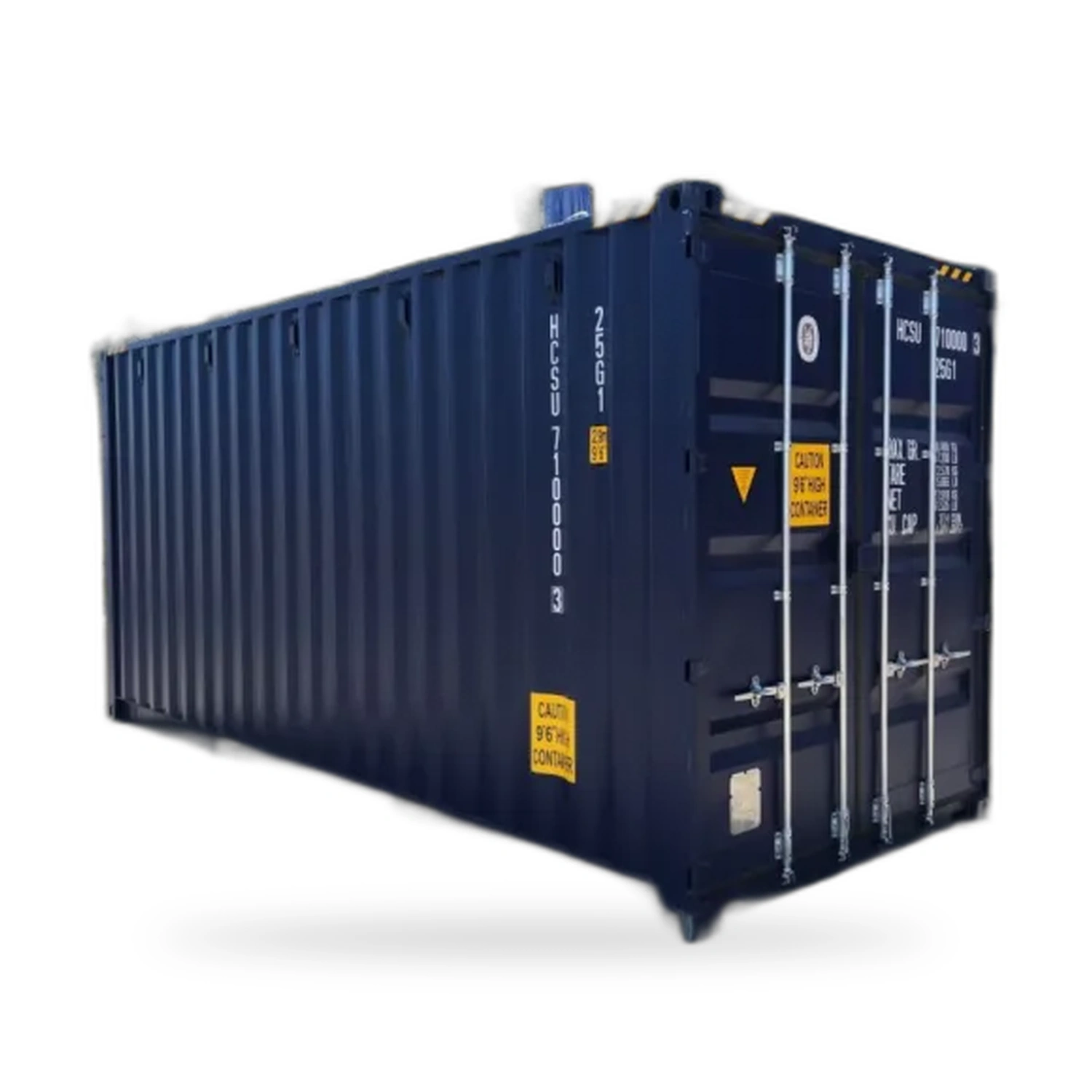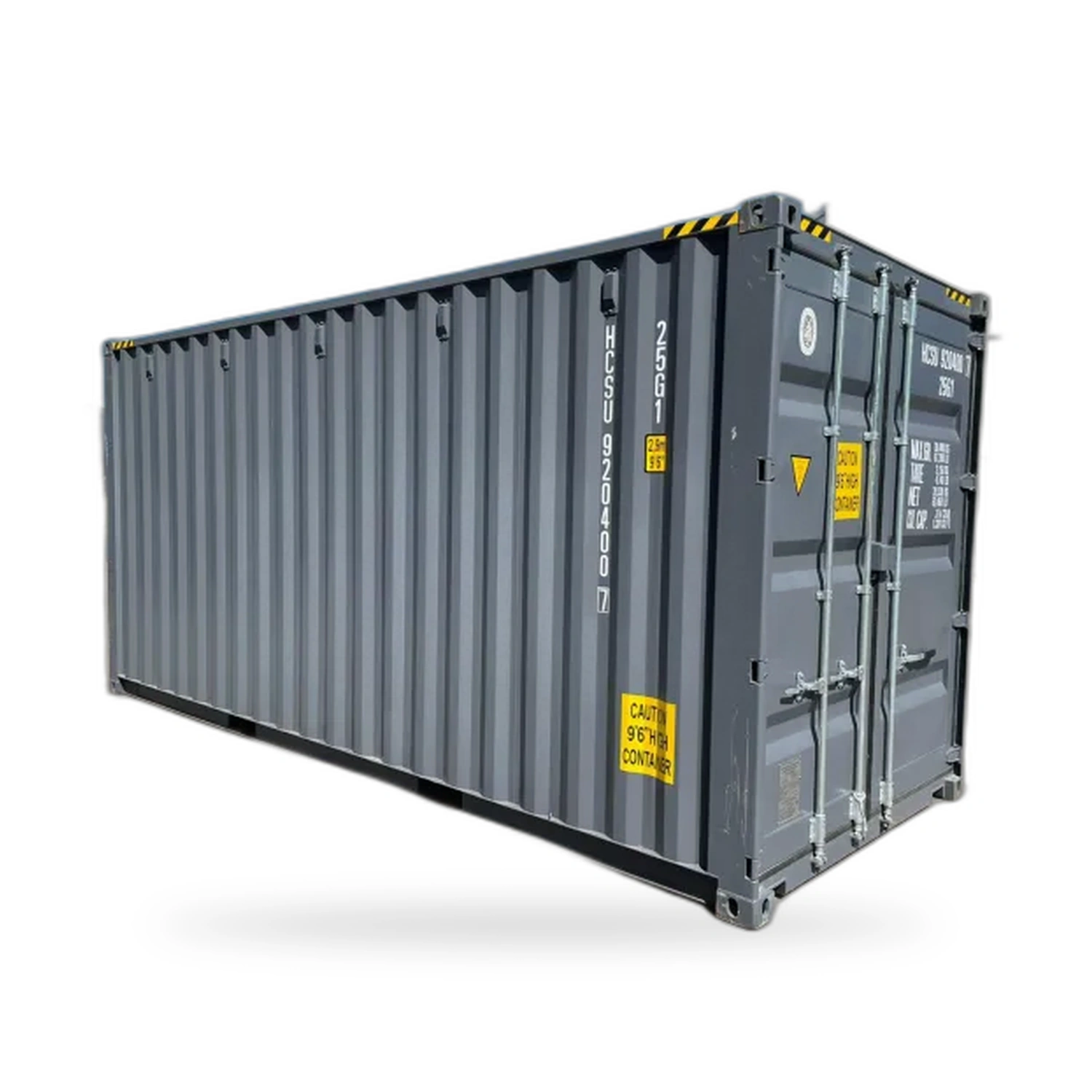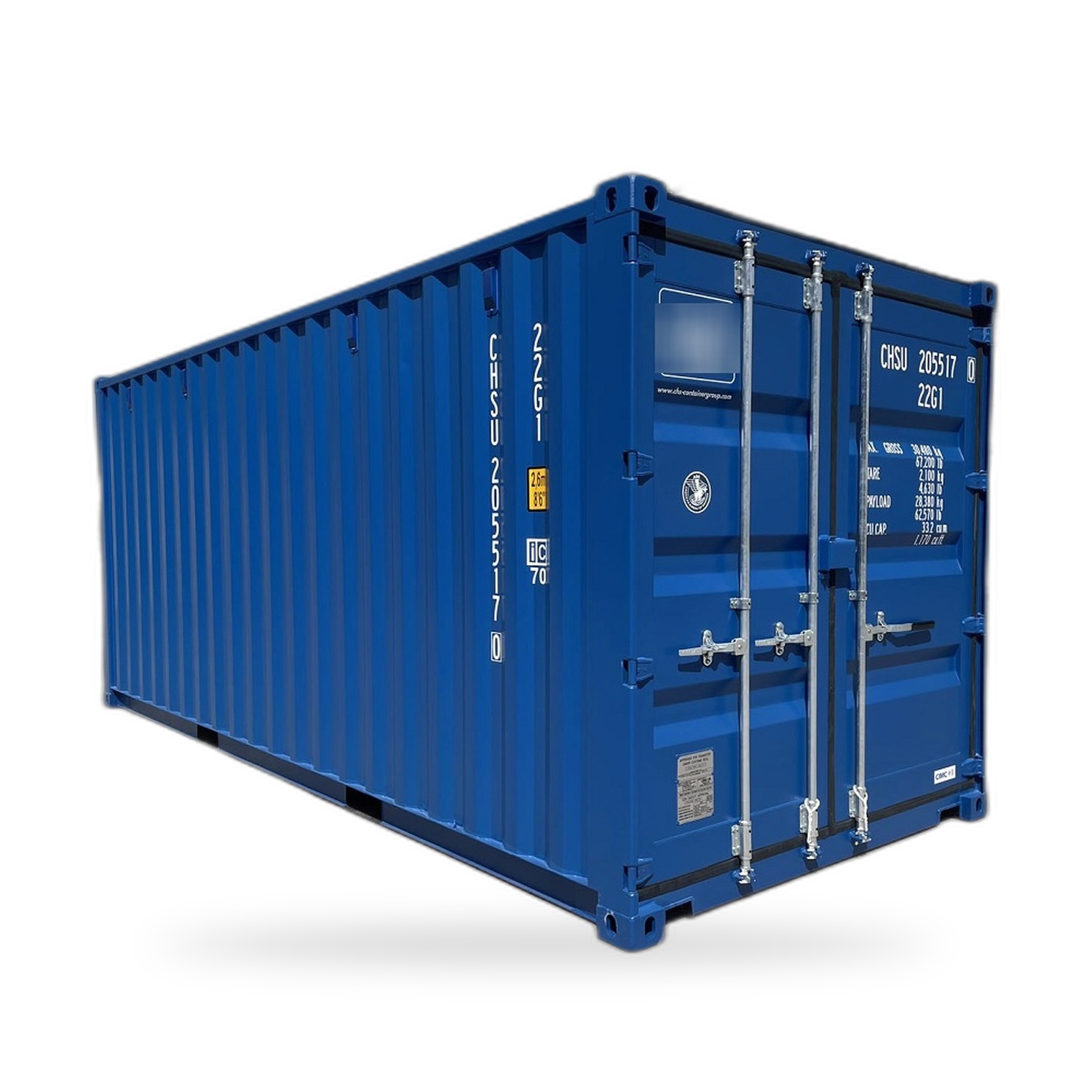
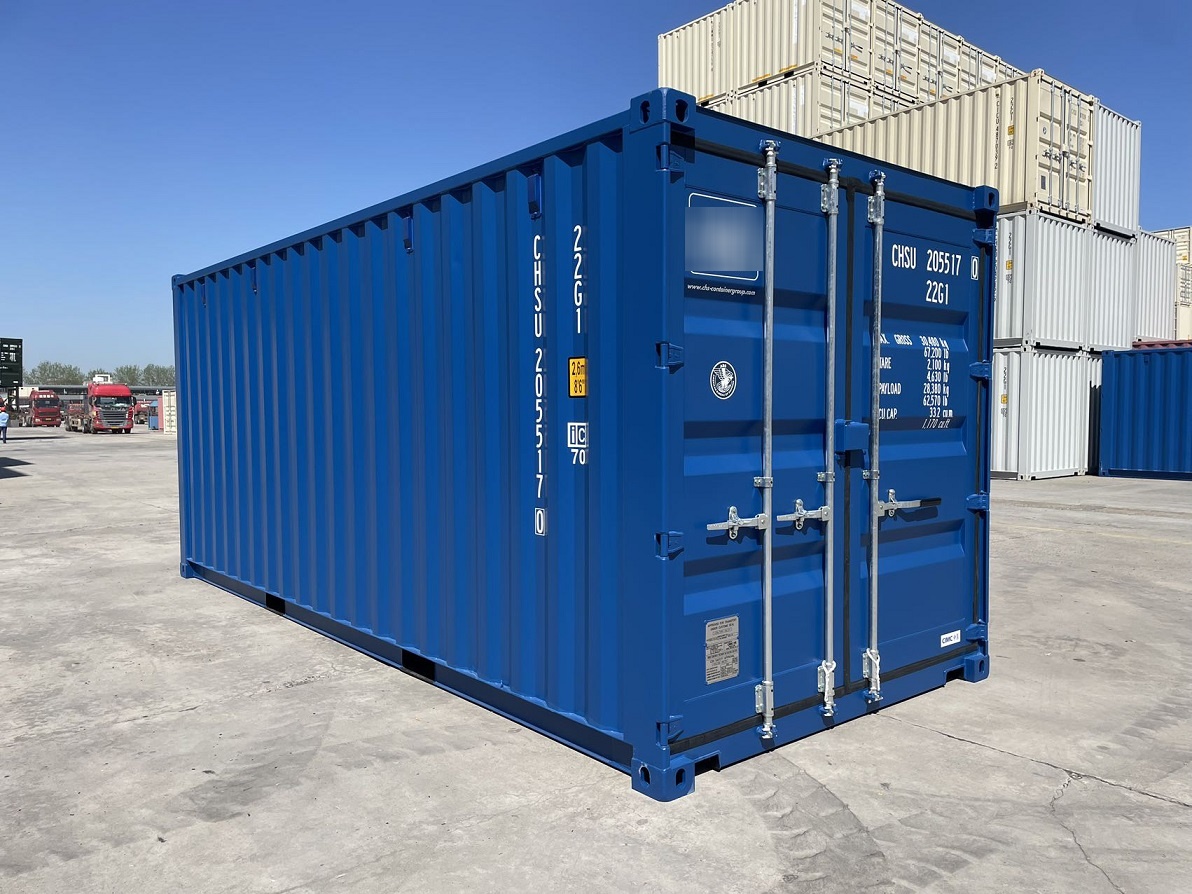
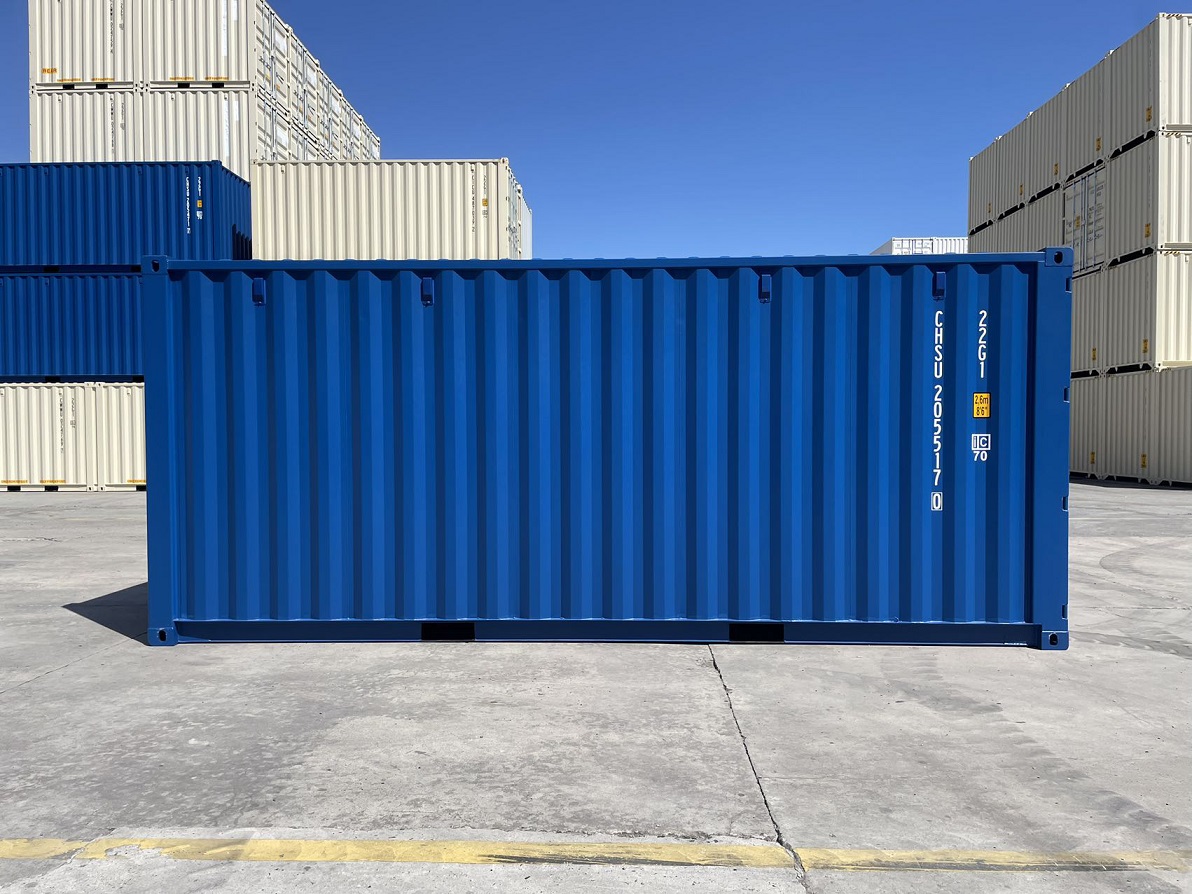
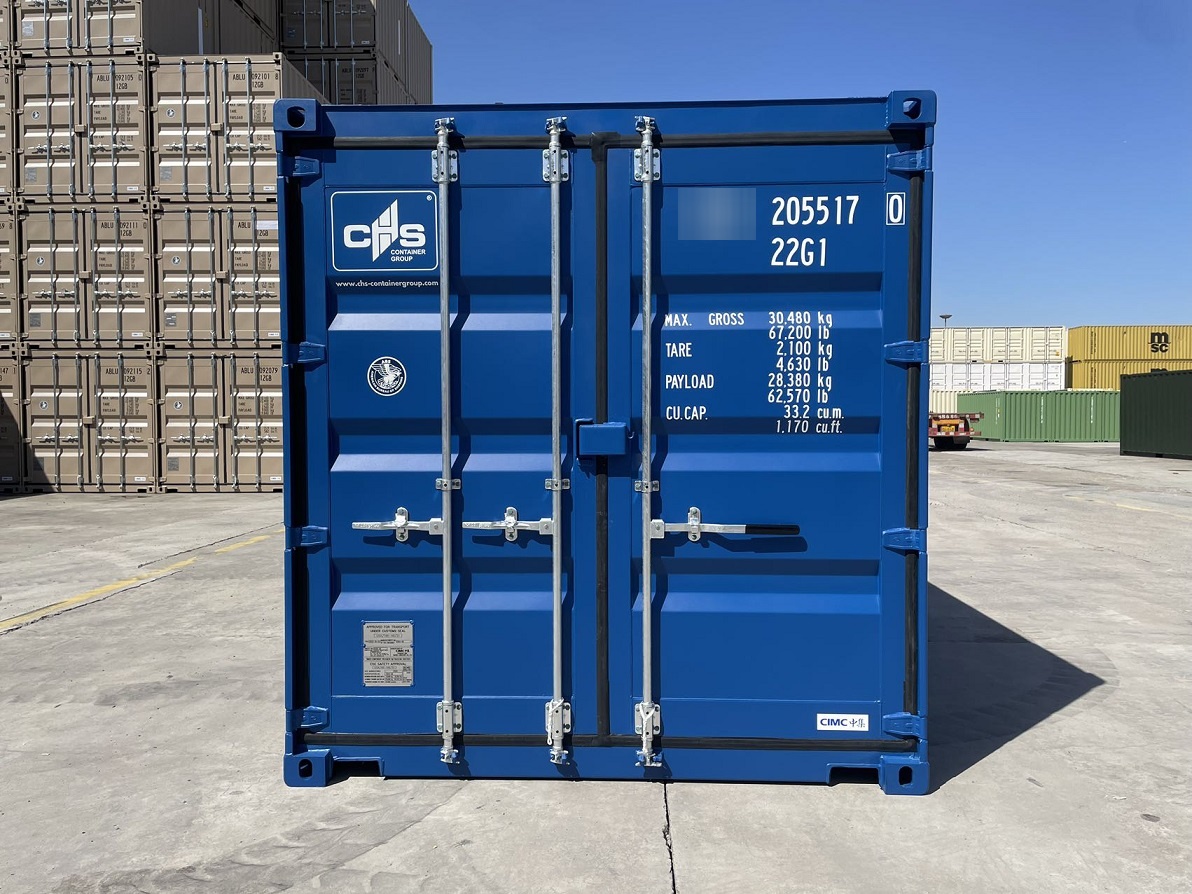
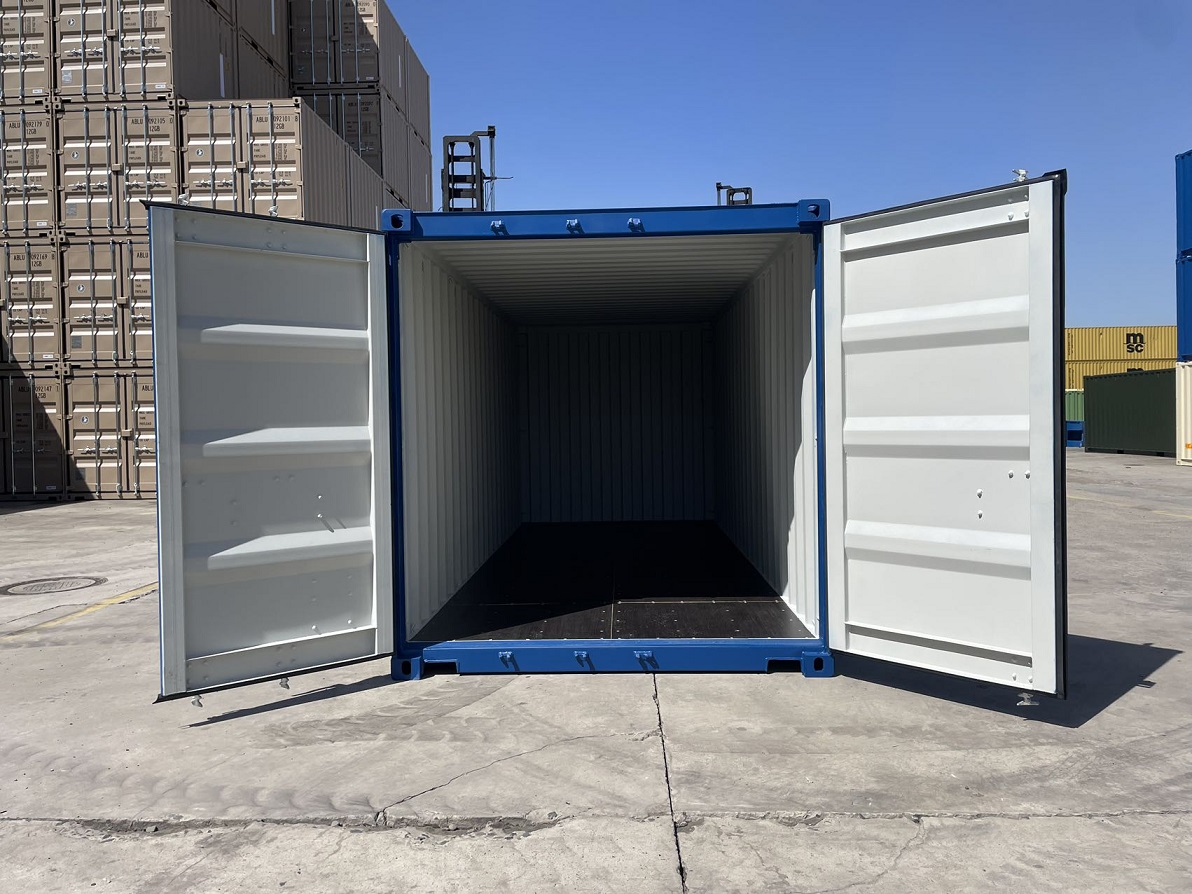
inkl. MwSt., zzgl. Versand · netto 1.949,00 €
Technische Daten
605.79 x 243.79 x 259.11 cm
2,300 kg
33.16 m³
Online bestellen
2.319,31 € inkl. MwSt. · Versand 702,10 € inkl. MwSt. (Kranwagen)
Zahlung per Überweisung (Bankverbindung sofort nach der Bestellung) oder per Karte / Wallet über Stripe. Bis zu 10 Einheiten sofort bestellbar, größere Mengen auf Anfrage.
Technische Daten im Detail
| Abmessungen | |
|---|---|
| Außenlänge | 605.79 cm |
| Außenbreite | 243.79 cm |
| Außenhöhe | 259.11 cm |
| Innenlänge | 589.79 cm |
| Innenbreite | 235.20 cm |
| Innenhöhe | 238.99 cm |
| Breite | 233.81 cm |
| Höhe | 258.50 cm |
| Gewichte und Kapazität | |
| Bodenfläche innen | 13.84 m² |
| Volumen | 33.16 m³ |
| Nettogewicht | 2300 kg |
| Max. Bruttogewicht | 30480 kg |
| Weitere Angaben | |
| Innenbodenfläche | 13.84 m² |
Ähnliche Container
Beliebte Umbauten
Was One-Trip bedeutet, wenn Sie einen 20ft Seecontainer neu kaufen
Wer einen 20ft Seecontainer neu kaufen möchte, erwirbt in aller Regel einen sogenannten Einwegcontainer oder One-Trip-Container. Gebaut wird in Asien, wo die Produktionskapazität liegt. Statt die Box leer nach Europa zu verschiffen, wird sie für genau eine beladene Fahrt als Transportraum verkauft. Sie kommt hier an, nachdem sie einmal gepackt, einmal verplombt und einmal entladen wurde. Formal ist sie ab diesem Moment gebraucht. Praktisch ist sie das Fabrikneuste, was in Europa ohne den Transport von Luft überhaupt zu bekommen ist.
Diese Unterscheidung ist wichtig für realistische Erwartungen. Ein One-Trip-Container ist kein Ausstellungsstück. Kleine Lackspuren von Laschmaterial, Handhabungsspuren an den Eckbeschlägen und Reedereianschriften oder eine schlichte Werksfarbe sind normal. Was fehlt, sind Lochfraß, alte Schweißflicken, ausgehärtete Dichtungen und ein wasserfleckiger Boden. Der Abstand zwischen Einwegcontainer und wirklich altem Stahl ist deutlich größer als der Abstand zwischen Einwegcontainer und einer nie benutzten Box.
Geprüfte Maße und Gewichte
| Angabe | Wert |
|---|---|
| Innenlänge | 589,79 cm |
| Innenbreite | 235,20 cm |
| Innenhöhe | 238,99 cm |
| Außenlänge | 605,79 cm |
| Außenbreite | 243,79 cm |
| Außenhöhe | 259,11 cm |
| Türöffnung Breite | 233,81 cm |
| Türöffnung Höhe | 227,99 cm |
| Ladefläche innen | 13,84 m² |
| Volumen | 33,16 m³ |
| Max. Bruttogewicht | 30.480 kg |
| Leergewicht (Tara) | 2.300 kg |
Die Türöffnung ist die kritische Zahl
Vergleichen Sie die beiden Türwerte mit den Innenmaßen. Die Öffnung ist 233,81 cm breit bei 235,20 cm Innenbreite und 227,99 cm hoch bei 238,99 cm Innenhöhe. Die Breitendifferenz ist gering. Die Höhendifferenz von über elf Zentimetern ist der Punkt, an dem Planungen scheitern.
Der Grund liegt in der Konstruktion: Der Türsturz liegt unter der Dachlinie, die Türschwelle über dem Bodenniveau. Alles, was durch die Türen muss, also eine Maschine auf einem Gestell, ein Fahrzeug oder ein hoher Schrank, muss die Türhöhe passieren und nicht die Innenhöhe. Rechnen Sie deshalb bei knappen Fällen mit 227,99 cm und messen Sie das Ladegut inklusive Palette oder Unterbau. Ist die Ladung erst einmal drin, steht Ihnen die zusätzliche Innenhöhe für Stapelung oder für Installationen unter der Decke zur Verfügung.
Warum der Werkszustand einen Unterschied macht
Der sichtbare Unterschied zu einer gebrauchten Box ist die Optik. Die Unterschiede, die Geld kosten, liegen unter dem Lack. Beim Einwegcontainer hat der Stahl noch keine wiederholten Zyklen aus Nässe, Trocknung und Salzbelastung hinter sich, die Werksbeschichtung ist geschlossen statt ausgebessert. Die Türdichtungen sind elastisch und liegen sauber an, und genau das entscheidet darüber, ob ein Container dauerhaft trocken bleibt. Verschlussstangen sind gerade, Nocken nicht überdrückt, Bänder ohne Spiel.
Dazu kommt die Rechtwinkligkeit. Eine Box, die gefallen ist oder unter Last verwunden gestapelt wurde, steht leicht verzogen. Verzogene Container haben schwergängige Türen und liegen nicht sauber auf ihren Auflagern. Ein rechtwinkliger Ausgangszustand bedeutet, dass die Türen über Jahre leichtgängig bleiben und dass ein Innenausbau von Anfang an auf einem sauberen Bezugsmaß aufbaut.
Warum Umbaubetriebe mit neuem Stahl beginnen
Sobald ein Container geschnitten, geschweißt, gedämmt und ausgebaut wird, steigt der Wert eines neuwertigen Ausgangszustands deutlich. Die Gründe liegen alle bei den verdeckten Kosten.
- Keine unbekannte Vorgeschichte. Niemand muss raten, welche Ladung zuletzt drin war, ob etwas in den Boden gezogen ist oder ob ein Wandblech über nie entferntem Rost geflickt wurde. Bei Bürocontainern, Sanitäreinheiten und bewohnten Umbauten ist das entscheidend.
- Berechenbares Schneiden. Fensterausschnitte und Türöffnungen lassen sich in gleichmäßigem, gesundem Blech sauber und schnell setzen. In geflicktem Blech mit wechselnder Stärke dauert es länger und die Kanten sind aufwendiger nachzuarbeiten.
- Saubere Untergründe für die Dämmung. Ortschaum und selbstklebende Systeme haften zuverlässig auf intakter Werksbeschichtung. Auf blätternden Innenflächen kostet die Vorbereitung schnell mehr als der Preisunterschied zwischen neu und gebraucht.
- Einheitliches Erscheinungsbild. Werden mehrere Einheiten gekoppelt oder nebeneinander gestellt, wirken farbgleiche Einwegcontainer wie ein Gebäude. Gebrauchte Boxen wirken wie mehrere Boxen.
- Verlässliche Geometrie. Modularer Ausbau setzt eine rechtwinklige Hülle voraus, von der Küchenzeile bis zum Fensterrahmen.
Für reine Lagerzwecke bleibt gebraucht eine gute Wahl. Je mehr Arbeit jedoch in das Innere fließt, desto eher lohnt es sich, einen 20ft Seecontainer neu kaufen zu lassen, statt die Hülle günstig zu beschaffen und die Ersparnis in die Instandsetzung zu stecken.
Boden und Bodenaufbau
Neue Trockenboxen verlassen das Werk mit einem verschraubten und an den Rändern versiegelten Boden aus Sperrholz oder Bambuslaminat auf Querträgern. Bei einer frischen Einheit ist dieser Belag eben, trocken und frei von Verfärbungen und Delaminierung. Für die Lagerung heißt das: Der Hubwagen kann ab dem ersten Tag darüber fahren. Für den Ausbau heißt es: Sie bauen auf einem ebenen Untergrund auf, statt zuerst zu sanieren.
Containerböden für den internationalen Verkehr sind gegen Schädlinge behandelt. Bei Lebensmittelbezug, empfindlichen Prozessen oder längerem Aufenthalt von Personen sollten Sie das Thema früh ansprechen. Übliche Lösungen sind ein Überbelag, ein versiegelter Aufbau oder ein neuer Bodenbelag. Das lässt sich bei der Bestellung sehr viel günstiger einplanen als später nachrüsten.
Lack, Farbton und Werterhalt
Container bestehen aus wetterfestem Stahl mit einem mehrschichtigen Werkslacksystem. Corten-Stahl bildet an offenen Stellen eine festhaftende Oxidschicht, die den weiteren Abtrag bremst. Das erklärt die lange Lebensdauer, aber die eigentliche Schutzwirkung leistet die Beschichtung. Bei einer neuen Einheit ist sie geschlossen, und die sinnvolle Pflege besteht schlicht darin, Kratzer auszubessern, bevor sie unterwandern.
Den Farbton sollten Sie bei der Anfrage klären. Neue Einheiten kommen in einer begrenzten Auswahl an Werksfarben. Eine Lackierung auf einen bestimmten RAL-Ton ist ein eigener Arbeitsgang mit Vorbereitung, Grundierung und entsprechenden Kosten. Wenn die Box an sichtbarer Stelle steht oder zu vorhandenen Einheiten passen soll, fragen Sie nach den Farben der konkret verfügbaren Ware.
Bruttogewicht, Tara und die Angaben für die Spedition
Das maximale Bruttogewicht von 30.480 kg gilt für die beladene Box, das Leergewicht von 2.300 kg für die leere. Die Differenz ist Ihre Ladungsreserve, und sie sollte vor der Planung schwerer Lasten schriftlich im Angebot oder auf der CSC-Plakette der Einheit bestätigt sein.
Im Alltag ist die Tara die meistgenutzte Zahl. Sie sagt Kranführer, Ladekranfahrer oder Schwerlaststaplerfahrer, was am Liefertag gehoben wird, und sie entscheidet darüber, ob ein bestimmtes Fahrzeug die Einheit an den gewünschten Platz setzen kann. Geben Sie das Leergewicht an, bevor Sie ein Angebot für die Anlieferung einholen.
Planen mit 13,84 m² und 33,16 m³
Die Ladefläche von 13,84 m² ist die Größe für alles, was im Grundriss geplant wird: Regalreihen, Werkbänke, ein Baustellenbüro mit zwei Arbeitsplätzen, Palettenstellplätze. Zwei Palettenreihen in Längsrichtung mit Arbeitsgang sind eine übliche Aufteilung, wobei das genaue Raster von Ihrem Palettenmaß und der Beladeweise abhängt.
Das Volumen von 33,16 m³ gilt für Schüttgut und Stapelware. Betrachten Sie es als Obergrenze, nicht als Zielwert. Praktisch erreichte Füllgrade liegen darunter, sobald Gänge, ungleichmäßige Packmaße und die niedrigere Türöffnung einbezogen werden. Wenn Sie Containergrößen über den Preis je Kubikmeter vergleichen, rechnen Sie mit realistisch erreichbarem Volumen.
Zufahrt, Aufstellung und die ersten Jahre
Die Grundfläche beträgt 605,79 cm mal 243,79 cm bei einer Außenhöhe von 259,11 cm. Die Zufahrtsplanung muss das Lieferfahrzeug einschließen, also Tordurchfahrt, Rangierfläche, Freileitungen und Baumkronen. Legen Sie vor der Lieferung fest, wohin die Türen zeigen sollen, denn ein Drehen der abgesetzten Box ist ein zweiter Hub.
Stellen Sie die Einheit auf vier feste, waagerechte Auflagepunkte unter den Eckbeschlägen. Setzen Sie sie nicht direkt auf Erdreich oder Rasen, wo eingeschlossene Feuchtigkeit die Querträger angreift und ungleiches Setzen den Rahmen langsam verzieht. Lassen Sie unter der Box Luft zirkulieren. Eine sauber aufgestellte neue Einheit sieht auch nach Jahren noch neu aus, eine auf Matsch abgesetzte nicht.
Zurrösen, Lüftung und Details im Alltag
An den unteren und oberen Längsträgern sitzen Zurrösen, an denen Ladung gesichert wird. Bei einer fabrikfrischen Einheit sind sie vollständig vorhanden und unverformt, was bei gebrauchter Ware nicht selbstverständlich ist. Wenn Sie regelmäßig zurren müssen, fragen Sie bei der Anfrage nach Anzahl und Lage der Ösen und danach, ob zusätzliche Sicherungspunkte nachgerüstet werden können.
Ebenso wichtig sind die passiven Lüftungsöffnungen nahe dem oberen Längsträger. Sie sorgen für Luftaustausch und mindern die Kondensatbildung an der kalten Dachunterseite. Stellen Sie eingelagerte Ware nicht davor, lagern Sie nichts feucht ein und stellen Sie alles auf Paletten statt direkt auf den Boden. Verträgt der Inhalt grundsätzlich keine Feuchtigkeit, gehören Dämmung und eine geplante Belüftung von Anfang an in das Konzept und nicht in eine spätere Nachrüstung.
Neu oder gebraucht entscheiden
Die ehrliche Prüffrage lautet: Wie viel von der Box sehen Sie später, und wie viel Arbeit stecken Sie hinein? Für ein schlichtes abschließbares Lager im hinteren Hofbereich zählt der Zustand mehr als die Frische, und eine solide gebrauchte Box ist gutes Geld wert. Für alles Sichtbare, alles mit Kundenkontakt, alles, was geschnitten und ausgebaut wird, und alles mit langer Nutzungsdauer nimmt Ihnen die neue Einheit eine Reihe von Unbekannten ab, deren Entdeckung mitten im Projekt teuer wird.
Häufig gestellte Fragen
Ist die Box wirklich neu, wenn ich einen 20ft Seecontainer neu kaufen will?
Ein One-Trip-Container wurde gebaut, einmal beladen, einmal verschifft und einmal entladen. Formal ist er damit gebraucht. Praktisch fehlen ihm Lochfraß, Schweißflicken, ausgehärtete Dichtungen und Wasserflecken im Boden. Rechnen Sie mit leichten Handhabungsspuren und Reedereianschriften, dafür aber mit geschlossener Werksbeschichtung und rechtwinkligem Rahmen.
Warum ist die Türöffnung niedriger als die Innenhöhe?
Der Türsturz liegt unter der Dachlinie und die Schwelle über dem Bodenniveau. Die Öffnung misst deshalb 227,99 cm bei 238,99 cm Innenhöhe. Diese Differenz von über elf Zentimetern entscheidet darüber, was überhaupt hineinpasst. Messen Sie hohe Güter samt Palette oder Unterbau gegen das Türmaß und planen Sie erst danach die Stapelung im Inneren.
Warum bevorzugen Ausbaubetriebe neue Container?
Eine neue Hülle hat keine unbekannte Ladungsgeschichte, gleichmäßiges Blech, das sich sauber schneiden lässt, eine intakte Beschichtung als Haftgrund für die Dämmung, einen rechtwinkligen Rahmen für den Innenausbau und einen einheitlichen Farbton über mehrere Einheiten. Bei gebrauchten Hüllen übersteigen Entrostung, Behandlung und Reparatur oft den Preisunterschied zur neuen Box.
Welche Gewichte braucht die Spedition?
Für die Anlieferung zählt das Leergewicht von 2.300 kg, denn das wird tatsächlich gehoben, dazu die Außenmaße 605,79 cm mal 243,79 cm mal 259,11 cm. Das maximale Bruttogewicht von 30.480 kg betrifft die beladene Einheit und ist für die Ladungsplanung relevant. Klären Sie vorab Durchfahrtsbreite, Rangierfläche und lichte Höhe.
Wie viel passt realistisch hinein?
Rechnerisch sind es 33,16 m3 Volumen auf 13,84 m2 Ladefläche. Betrachten Sie das Volumen als Obergrenze, weil Gänge, ungleichmäßige Packmaße und die niedrigere Türöffnung Anteile abziehen. Planen Sie Regale und Stellplätze über die Ladefläche und vergleichen Sie Containergrößen über das realistisch nutzbare Volumen statt über den Nennwert.
Kann ich den Farbton frei wählen?
Neue Einheiten kommen in einer begrenzten Auswahl an Werksfarben. Ein bestimmter RAL-Ton bedeutet in der Regel eine separate Lackierung mit Vorbereitung, Grundierung und eigenen Kosten. Wenn die Box an sichtbarer Stelle steht oder zu vorhandenen Einheiten passen soll, fragen Sie die verfügbaren Farbtöne der konkreten Ware vor der Bestellung ab.
Passende Container & Ausstattungsoptionen
Ähnliche Produkte