Delivery included · Sales tax, where applicable, is added on the invoice
Specifications
605.79 x 243.84 x 259.08 cm
3,175 kg
20,865 kg
31.02 m³
Order online
$6,900.00 delivery included
Pay by bank transfer (bank details shown immediately after ordering) or by card / wallet via Stripe. Price includes delivery to the contiguous United States. Sales tax, where applicable, is added on the invoice.
Full specifications
| Dimensions | |
|---|---|
| External length | 605.79 cm |
| External width | 243.84 cm |
| External height | 259.08 cm |
| Internal length | 589.80 cm |
| Internal width | 228.72 cm |
| Internal height | 229.91 cm |
| Door opening width | 570.19 cm |
| Door opening height | 216.90 cm |
| Weights and capacity | |
| Interior floor space | 13.49 m² |
| Volume | 31.02 m³ |
| Net weight | 3175 kg |
| Max payload | 20865 kg |
| Max gross weight | 24040 kg |
Related containers
Popular modifications
What an open sided container is
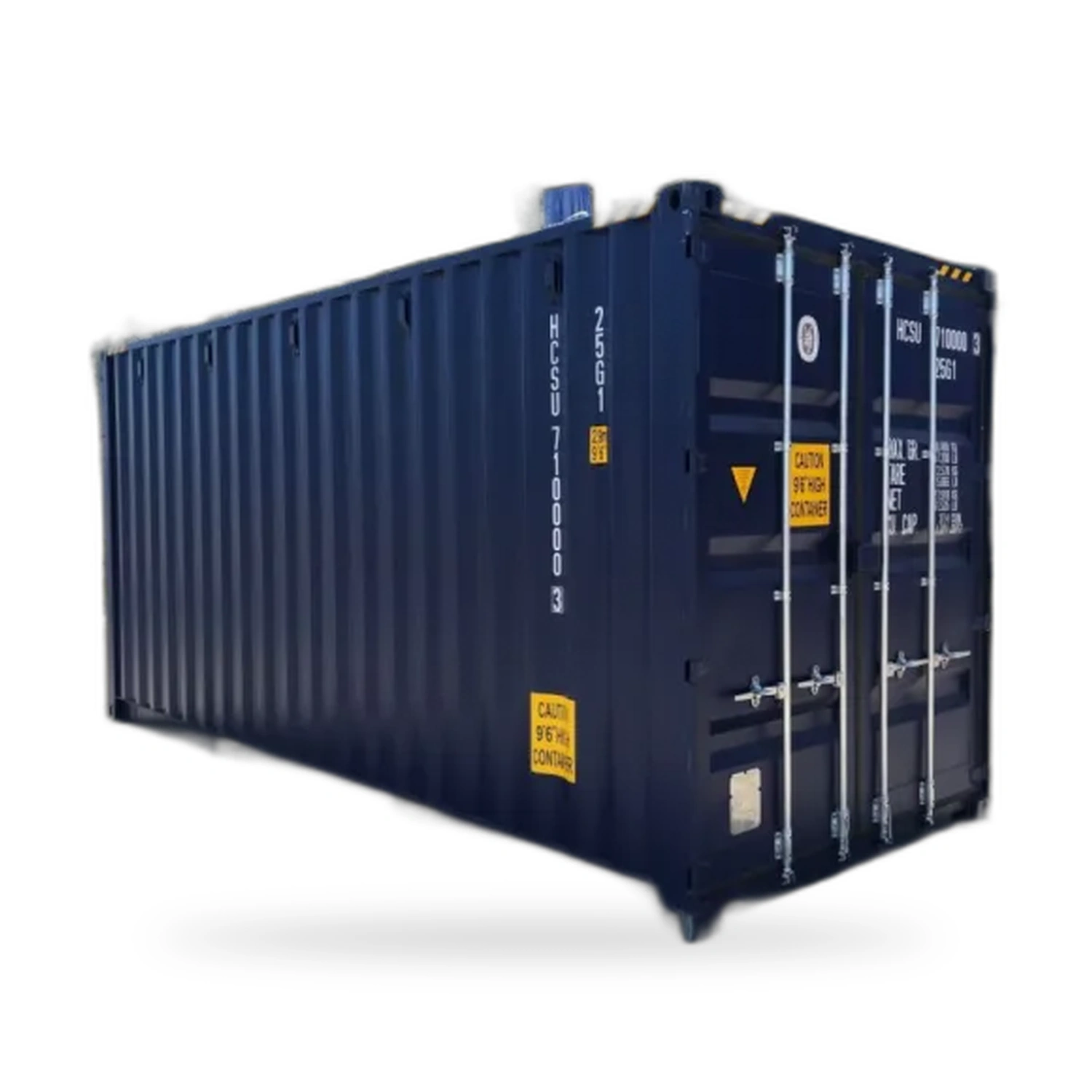
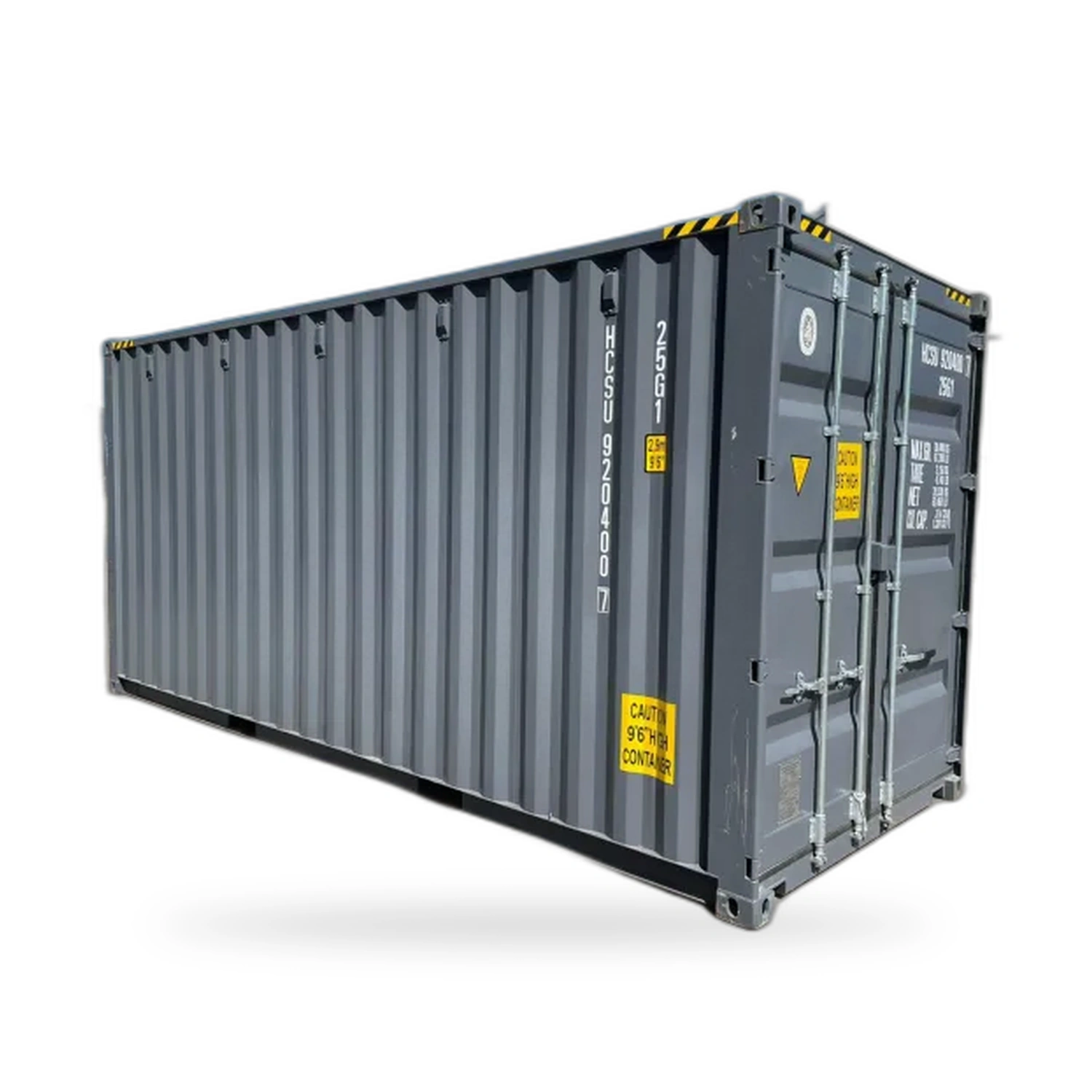
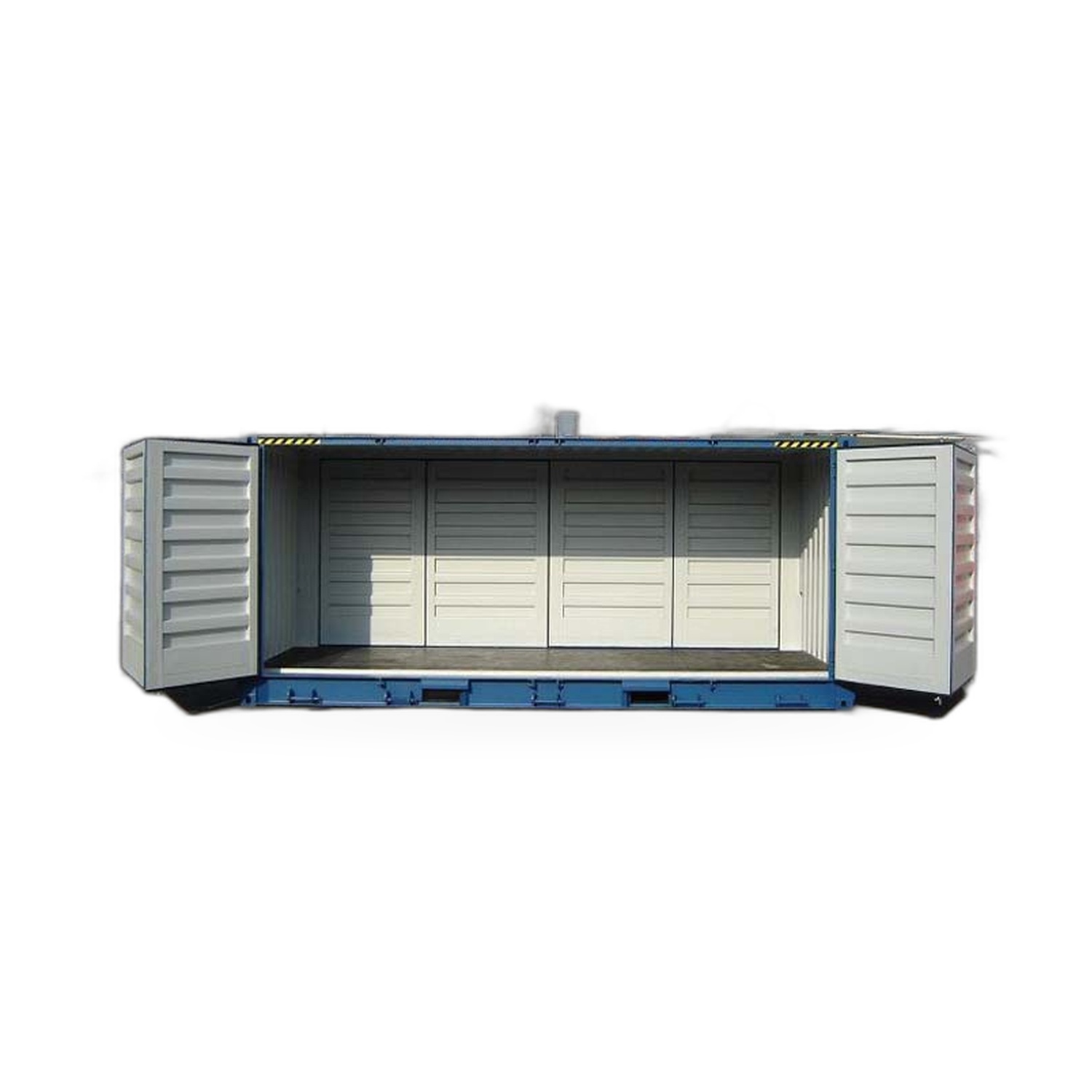
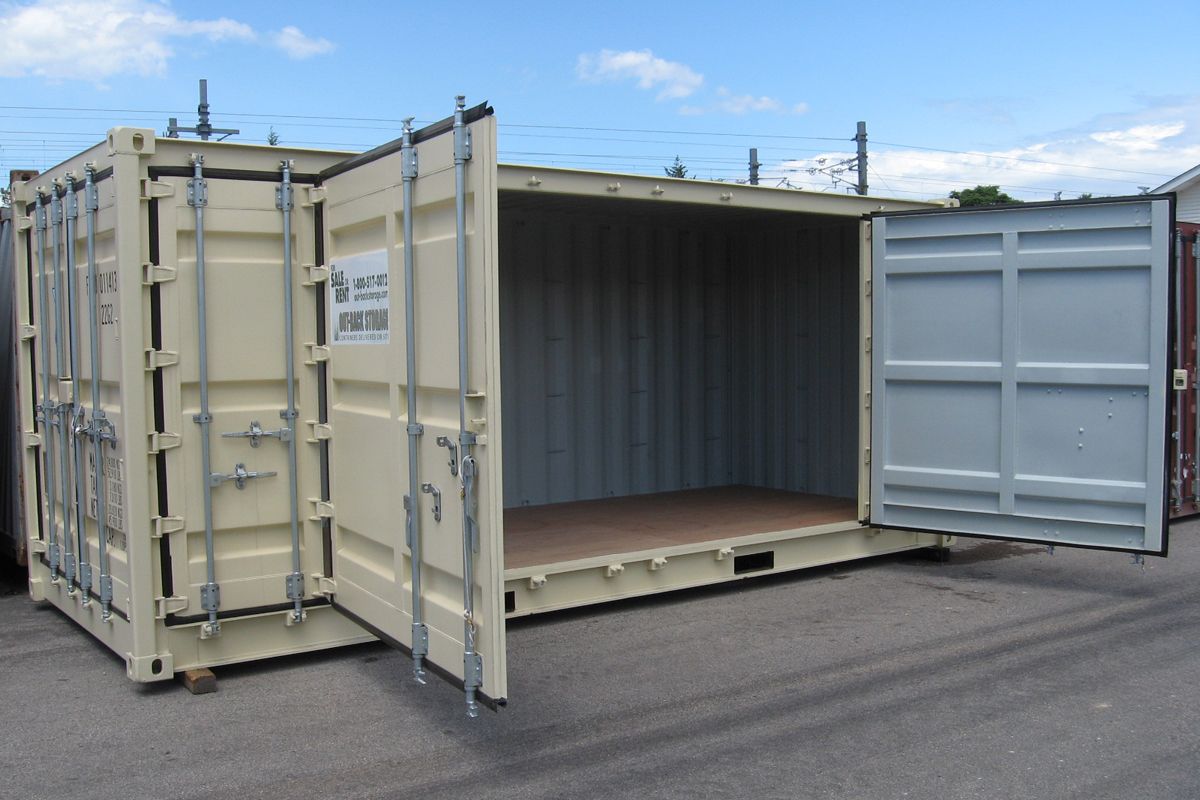
An open sided container is a twenty foot steel box in which one complete long wall has been replaced by full-length side doors. Open them and the unit turns into a covered, floored platform that a forklift can load from the side at any point along the opening. Close them and it is a sealed, lockable steel container again, with the standard end doors still in place for end-on loading. The recorded side opening on this unit is 570.19 cm wide and 216.90 cm high, which is nearly the whole internal length of 589.80 cm.
That single change in the wall alters what the box is good for. A standard container is loaded from one end, so whatever went in first comes out last. In an open sided container every pallet position is a front position. Forklift drivers, warehouse planners and event crews notice the difference on the first day.
Recorded dimensions and weights
| Exterior | cm | Interior | cm |
|---|---|---|---|
| Length | 605.79 | Length | 589.80 |
| Width | 243.84 | Width | 228.72 |
| Height | 259.08 | Height | 229.91 |
| Side door opening | cm | Weights | kg |
|---|---|---|---|
| Width | 570.19 | Tare weight | 3,175 |
| Height | 216.90 | Payload | 20,865 |
| Floor area | 13.49 m² | Max gross weight | 24,040 |
Two of those numbers deserve a closer look. The internal width of 228.72 cm and the internal height of 229.91 cm are both lower than the figures for a plain twenty foot box, because the side door frame and the folded doors take up depth. The tare weight of 3,175 kg is heavier than a standard unit for the same reason: the doors, their hinges and the reinforced top and bottom rails that replace the missing wall all weigh something. What that buys is the opening.
What fits, and what to measure
The number that matters for side loading is the opening height of 216.90 cm. A forklift places a pallet through the side with the load raised, so the height of the pallet plus the fork clearance has to pass under the door head. Long loads such as timber, formwork, scaffold tubes and steel sections lie along the floor and pass through the opening at any point along the 570.19 cm width. Wide loads such as machinery on skids or small vehicles enter sideways, where the 228.72 cm internal width is the limiting figure rather than the end door aperture. Measure the load, not the container; the tables above give the limits.
Loading and unloading
With the side open, a forklift approaches at right angles to the container and sets each pallet directly onto its position. There is no need to drive into the box, no need to shuffle loads, and no blind corner at the back. A row of pallets can be loaded in the time it takes to put the first two into a standard unit through the end. Loads are secured against the floor lashing points; the doors themselves are not load-bearing walls and cargo must not rest against them in transit.
The doors open in sections and fold back against the end frames. On a windy site open sections should be pinned back, and the opening sequence matters: open from the end furthest from the wind so that a gust closes a door rather than tearing it open. A retaining hook or a simple chain at each folded section is a cheap addition that saves hinges.
Security and weather
Closed, the side doors seat against the frame and are held by locking bars of the same type as the end doors, and they take a padlock or a lock box in the same way. The seals along the top rail and the door edges keep rain out; as with any container, the seals are the item to inspect on a used unit and to replace when they harden. Because the doors are part of the shell rather than an addition to it, a closed open sided container is as weathertight as a standard box, and its corten steel skin resists corrosion for years with only occasional touch-up of chips.
Typical uses
- Construction sites: timber, boards, formwork, insulation and long steel stored dry, reachable from the side without unloading the front.
- Machinery and equipment that will not pass through end doors, or that must be reached without moving everything in front of it.
- Agriculture: seed, feed, fencing and parts stored where a tractor loader can reach them.
- Vehicles and small plant: quads, mowers, generators and compressors driven or lifted in sideways.
- Temporary shelters and workshops: with the side open, the container becomes a covered work area or a stage-side store.
- Conversions: pop-up shops, bars, ticket kiosks and mobile offices, where the whole side opens as a serving or display front.
Siting and ground preparation
The container needs a firm, level standing at the four corner castings and clear space along the open side for the doors to fold back and for a forklift to work. Allow the width of the folded doors plus the forklift's turning space. Where the unit will stand for years, concrete pads or paving slabs under the corners keep it level and off the mud. A slight fall away from the open side stops surface water running in when the doors are open. Delivery is by a crane truck or a side loader; the side loader is the better choice where access along one side is tight.
Comparison with the nearest alternatives
| Aspect | Open sided container | Side door container | Standard 20ft container |
|---|---|---|---|
| Side access | Full-length opening, 570.19 cm | Partial, one or two door leaves | None |
| Forklift positions | Every position | Positions in front of the doors | End only |
| Internal width | 228.72 cm | Depends on door construction | Wider, no side frame |
| Tare weight | 3,175 kg | Between the two | Lightest |
| Best for | Long and wide loads, conversions | Occasional side access | Dense palletised storage |
Conversion potential
Because the whole side already opens, an open sided container is the usual starting point for builds that need a wide front: a bar or coffee outlet with a serving counter under a fold-up door, a pop-up shop with the side as its display, a mobile office that opens onto a terrace. The container shell takes lining, insulation, electrics and glazing in the normal way; the side doors can be kept as security shutters over a glazed front, or replaced by a fold-up panel. Ask about the modification packages for insulation, electrics and personnel doors when you plan the build, because the order of the work matters: insulate and wire before lining.
New or used
Both are sold, and the choice is less about price alone than about what the unit will do. A new, one-trip unit has unmarked doors, fresh seals and a floor that has carried one cargo; it is the right choice for a conversion, where the shell is the finished surface, and for a buyer who wants the doors to seat perfectly from the first day. A used unit at trade grade has cosmetic dents and repainted patches but a sound structure, and for site storage or agricultural use it does the same job for less. On a used unit look hardest at three places: the door seals, which harden with age; the bottom side rail on the door side, which takes forklift knocks; and the floor around the door frame, where water gets in if a seal has failed. Ask for photographs of exactly those areas before agreeing a price.
Maintenance
Inspect the door seals and the hinge pins twice a year; grease the hinges and locking bar cams. Keep the top rail drain slots clear so water does not pool above the door head. Touch up paint chips before rust starts, especially along the bottom rail on the open side where forklift tines can scuff the steel. Check that the floor lashing points are intact and that the timber floor is sound around the door frame. A unit cared for this way keeps its value and can be sold on, moved or converted when its first job is done.
What to ask before you order
Ask whether the unit is new or used and, for a used one, for photographs of the door seals, the floor and the bottom rails. Ask for the recorded opening height and confirm it against your tallest side-loaded item. Ask how the container will be delivered and whether the site can take a crane truck or needs a side loader. And ask for the quotation to state delivery, off-loading and any locks or lock boxes, so that the unit arrives ready to work rather than as the start of a second conversation.
Frequently Asked Questions
How wide is the side opening on a 20ft open sided container?
The recorded side door opening is 570.19 cm wide and 216.90 cm high, against an internal length of 589.80 cm. That is almost the whole side, so a forklift can place or pick a pallet at any position along the container without driving into it. The opening height is the figure to check against tall side-loaded items.
Why is the inside narrower than a standard 20ft container?
The side door frame and the folded doors take up depth. The recorded internal width is 228.72 cm and the internal height 229.91 cm, both lower than a plain twenty foot box. The same construction raises the tare weight to 3,175 kg. Measure wide and tall loads against these recorded figures rather than against standard container tables.
Is it as secure as a normal container when closed?
Yes. The side doors close onto a steel frame and are held by locking bars of the same type as the end doors, and they take a padlock or a lock box in the same way. Closed, the container is weathertight. As with any container, the door seals are the item to inspect and to replace when they harden.
How much can it carry?
The recorded payload is 20,865 kg and the maximum gross weight 24,040 kg. Loads are secured to the floor lashing points; the side doors are not load-bearing walls and cargo must not rest against them in transit. Spread heavy point loads on the timber floor with bearers, as in any container.
Can an open sided container be converted?
It is one of the most common bases for conversion because the whole side already opens. Serving counters, fold-up fronts, glazing, lining, insulation and electrics can all be added, and the side doors can remain as security shutters over a glazed front. Plan the sequence with the modification packages: insulate and wire before lining.
Related Containers & Options
Related Products